Which cylinder construction should an OEM choose first?
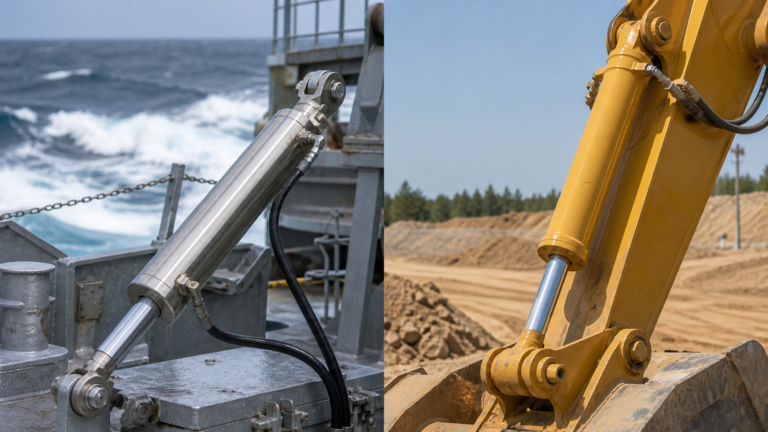
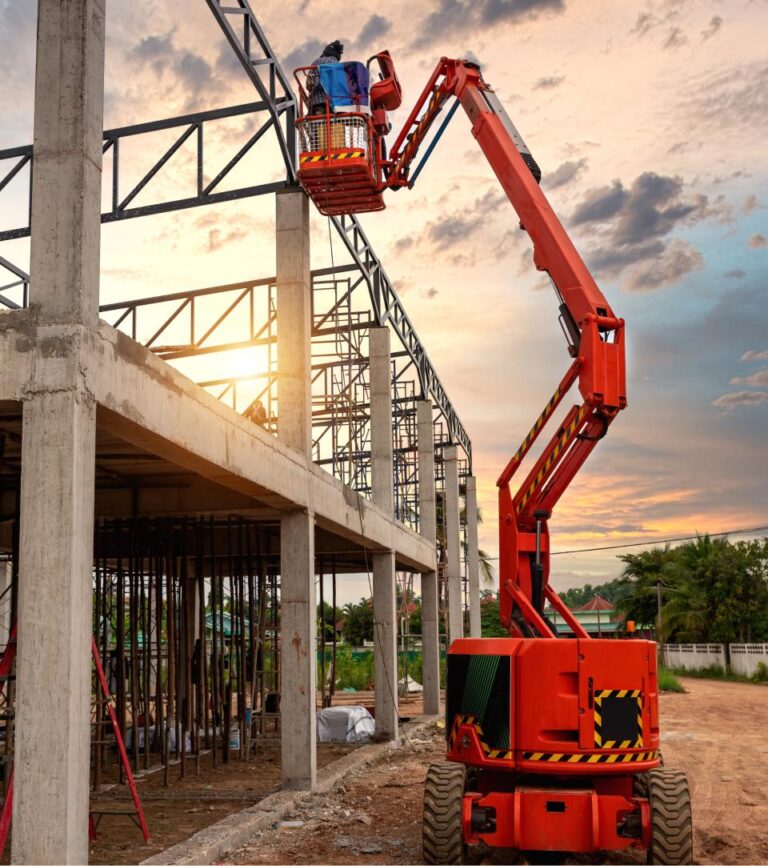
OEM buyers should start with the machine environment, not the cylinder price. A compact excavator attachment, refuse truck, agricultural implement, or loader linkage usually favors a welded hydraulic cylinder; a press, clamp, conveyor lift, or factory automation axis usually favors a tie rod hydraulic cylinder.
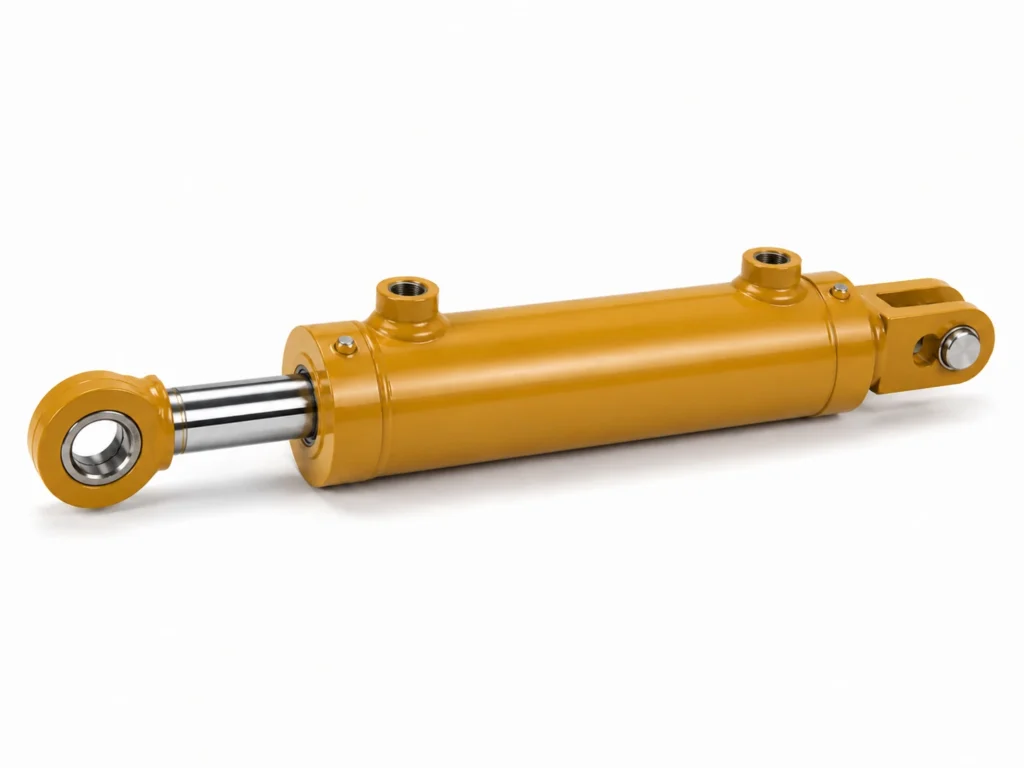
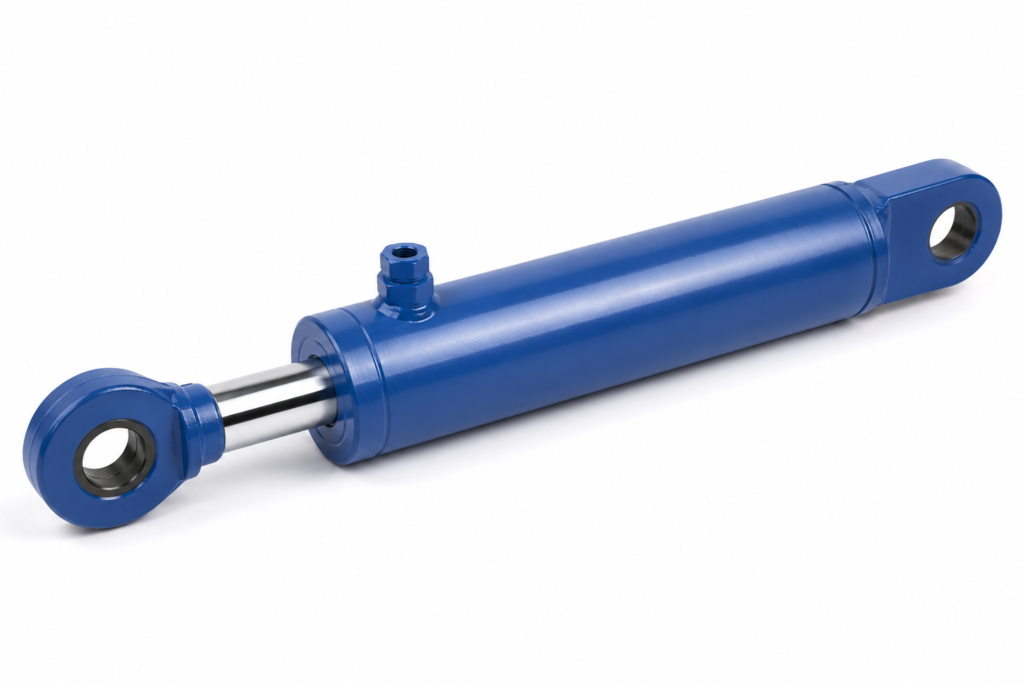
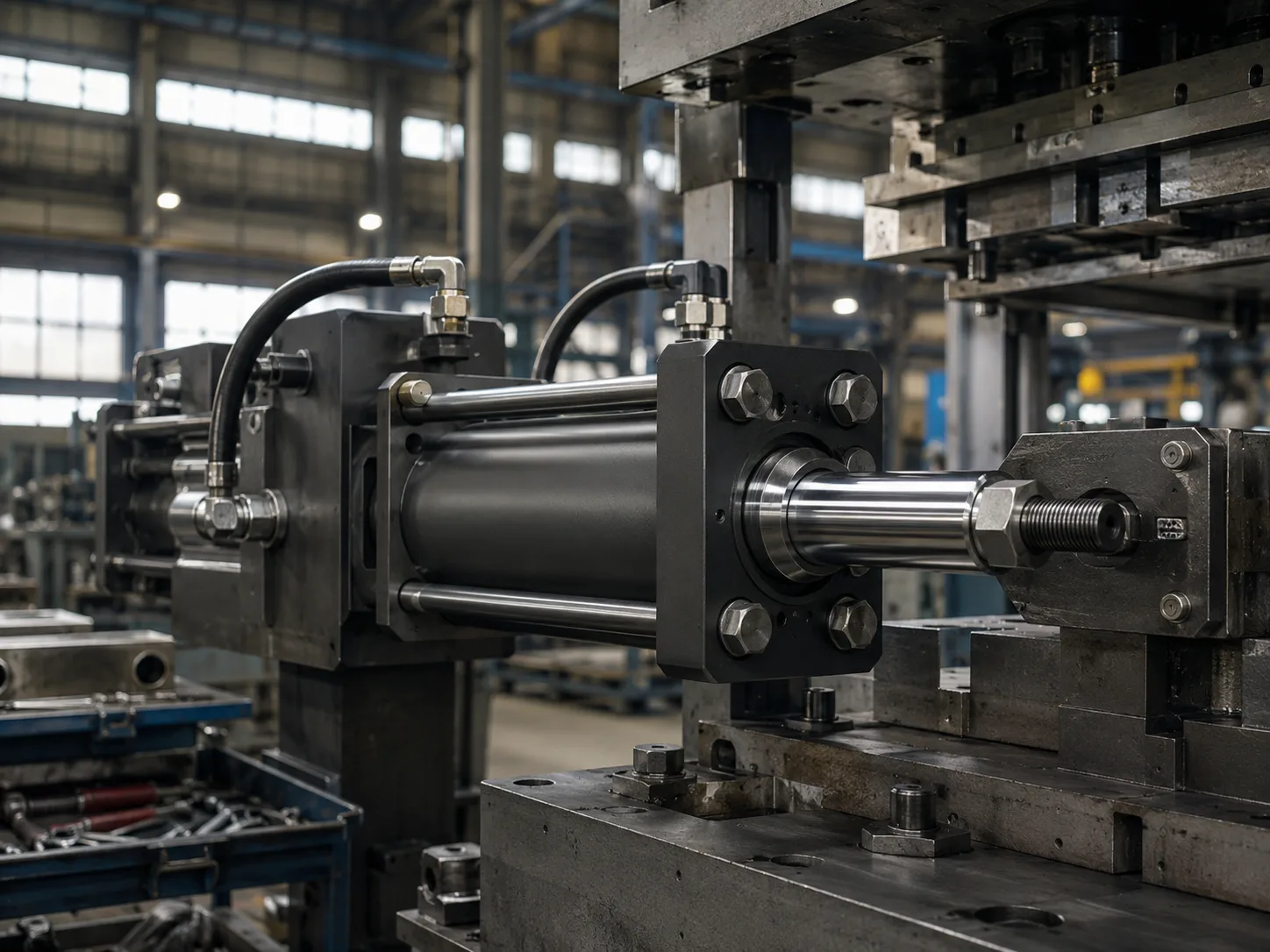
The reason is mechanical, not cosmetic. Welded cylinders use a welded or threaded compact body that tolerates tight installation envelopes and repeated shock loads better in many mobile layouts. Tie rod cylinders clamp the barrel between end caps with external rods, making them easier to disassemble, reseal, and match to industrial mounting standards.
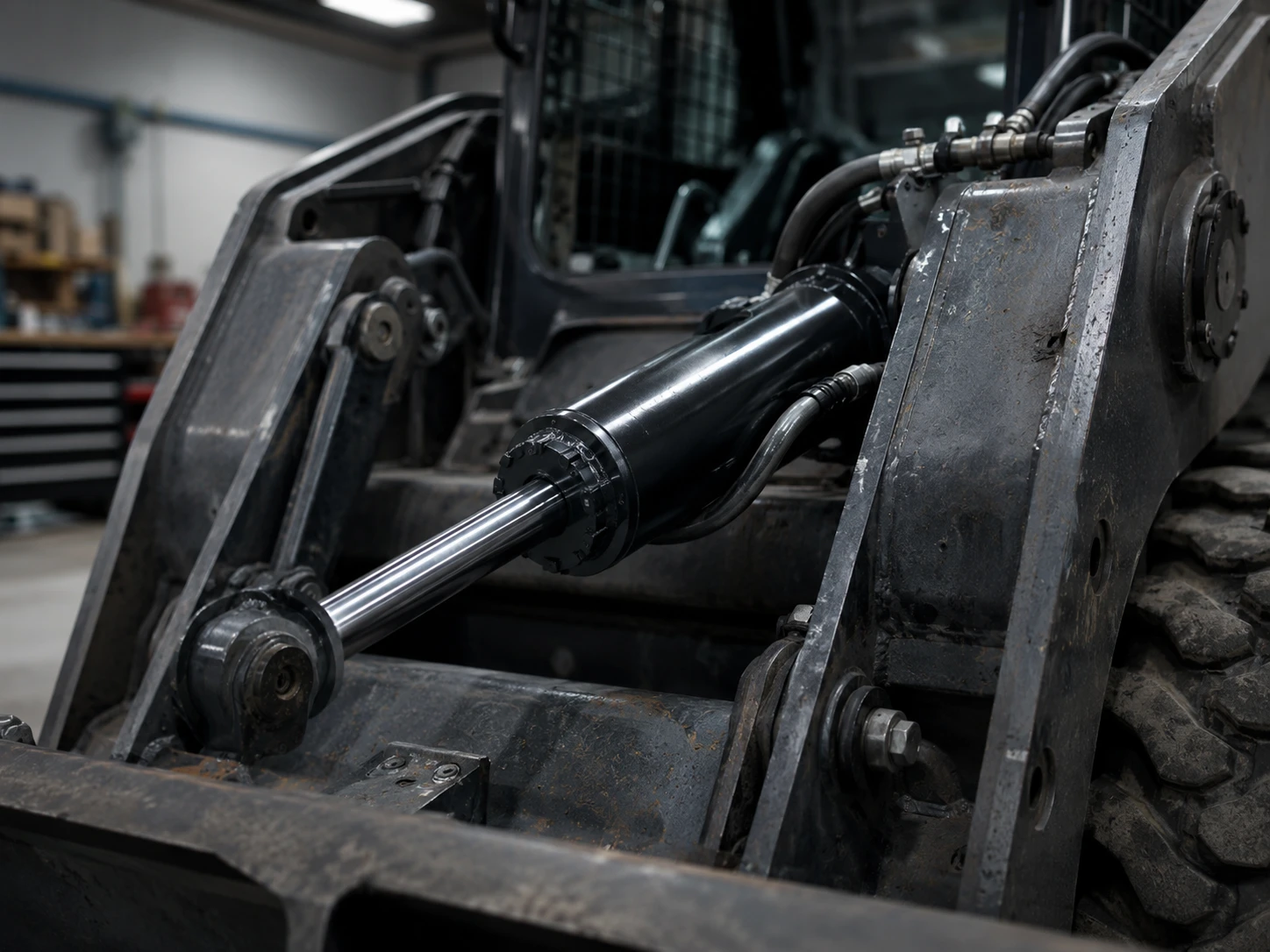
A common procurement mistake is installing a tie rod design where the cylinder is repeatedly exposed to side impact, vibration, boom shock, or outdoor contamination. The consequence is not immediate failure every time, but a higher chance of rod loosening, end-cap leakage, and field service complaints after vibration cycles. For a procurement manager comparing welded vs tie rod hydraulic cylinder options, the correct first question is: will the cylinder live in a mobile shock environment or a controlled industrial maintenance environment?
What do the main cylinder terms mean in a buying discussion?
The useful definitions are the ones that affect cost, risk, and service planning. Buyers should align terminology before comparing supplier quotations because two cylinders with the same bore and stroke can differ sharply in body construction, mounting, seal access, pressure class, and field repair procedure.
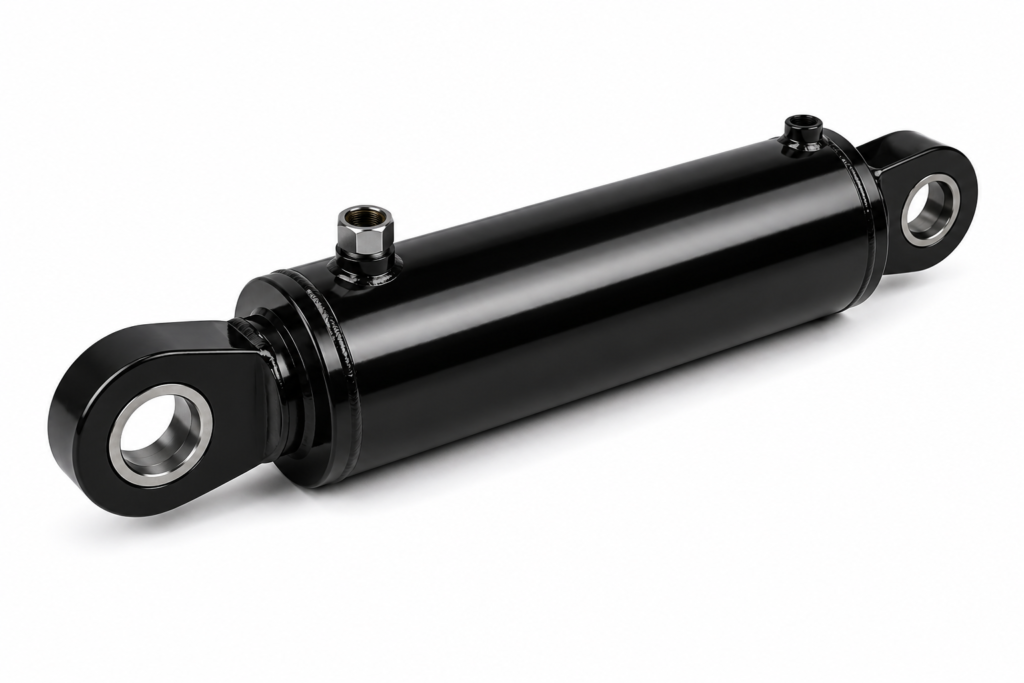
- Welded hydraulic cylinder
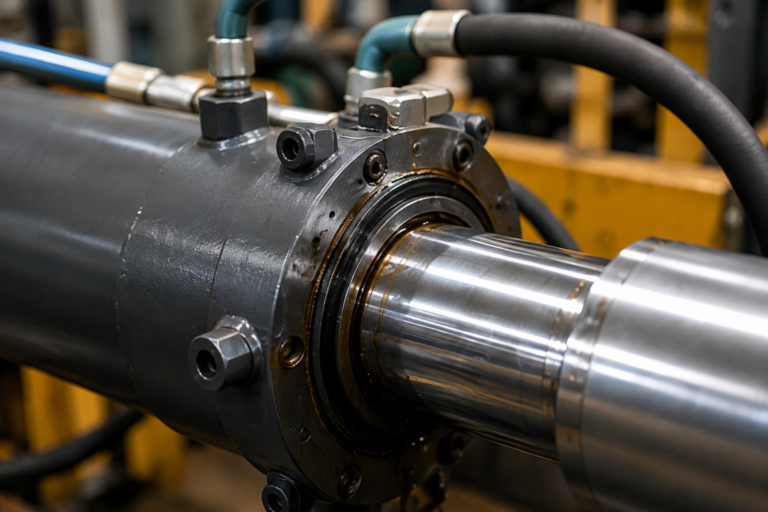
- A cylinder with a compact barrel and welded or threaded end structure, commonly used where space, vibration resistance, and high strength-to-size ratio are more important than frequent full disassembly.
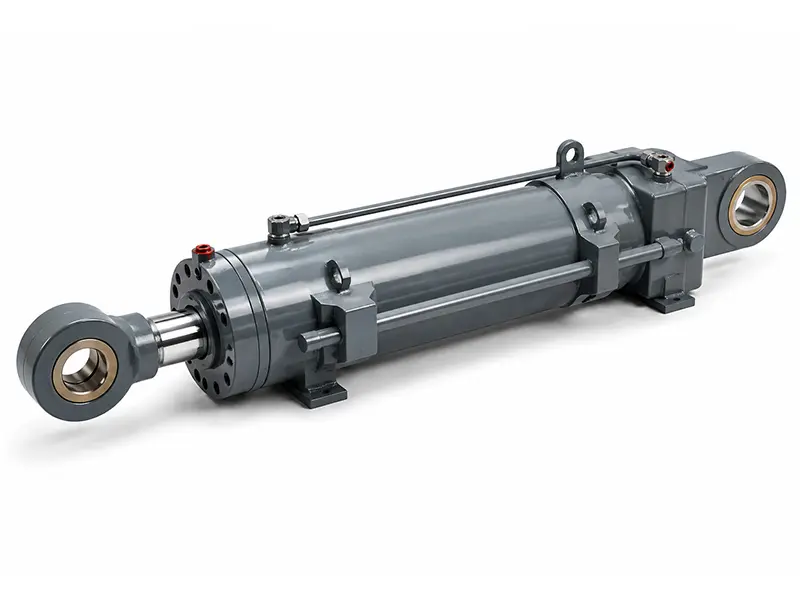
- Tie rod hydraulic cylinder
- A cylinder assembled with external tie rods that clamp the end caps to the barrel, widely used in industrial equipment because seals, tubes, and caps are easier to inspect, replace, and standardize.
- Bore, stroke, and rod diameter
- Bore controls push force, stroke controls travel, and rod diameter influences buckling resistance, return force, and side-load tolerance. ISO 3320 provides metric series guidance for bore and rod diameter ratios.
- Mounting dimension standard
- A standard that defines key envelope and mounting dimensions so equipment designers can replace or source cylinders more consistently. ISO 6020, ISO 6022, and NFPA square-head cylinder standards are common reference points.
Key Takeaways
- Welded construction is normally the stronger first choice for compact mobile equipment exposed to vibration, shock loading, mud, and limited installation space.
- Tie rod construction is normally the stronger first choice for standard industrial machines where maintenance teams need fast seal replacement and dimensional interchangeability.
- ISO 6020 series cylinders are associated with 16 MPa applications, while ISO 6022 covers 25 MPa mounting dimensions for heavier hydraulic cylinder classes.
- The main risk of misusing tie rod cylinders is not only leakage but progressive loosening under repeated impact and vibration.
- OEM selection should compare duty cycle, mounting load path, pressure class, seal access, corrosion exposure, and supplier production consistency before unit price.
How do welded and tie rod cylinders compare on performance?
The strongest difference is not maximum theoretical force; force mainly comes from pressure and bore. The practical difference is how each construction behaves under vibration, shock, space restriction, maintenance access, and replacement planning across a fleet or production line.
| Selection factor | Welded hydraulic cylinder | Tie rod hydraulic cylinder | Buyer implication |
|---|---|---|---|
| Space envelope | Compact body without external tie rods, useful in booms, compact attachments, and hidden machine frames. | Larger outside envelope because external rods and nuts require clearance. | Use welded when the cylinder must fit inside a narrow linkage or guarded machine pocket. |
| Shock and vibration | Generally better suited to mobile shock loads when designed with correct mounts, weld quality, and rod sizing. | Suitable for stable industrial axes, but repeated shock can increase loosening and leakage risk. | Avoid tie rod construction where impact and vibration are part of normal duty. |
| Serviceability | Can be serviceable, but access depends on gland design, welding layout, and supplier repair method. | Usually easier to disassemble by removing tie rods and end caps. | Use tie rod where maintenance teams expect regular resealing on site. |
| Standardization | Often customized for OEM mobile machinery, mounts, and installation length. | Often easier to align with ISO or NFPA industrial cylinder dimensions. | Use tie rod when replacement interchangeability is a procurement priority. |
| Pressure reference | Custom designs may be engineered for a wide range of machine pressures, subject to supplier validation. | Industrial standard families include ISO 6020 at 16 MPa and ISO 6022 at 25 MPa mounting series. | Do not compare pressure claims without checking the applicable standard and test report. |
| Typical procurement risk | Poor weld control, weak paint system, incorrect rod sizing, or hard-to-service gland design. | Tie rod torque loss, end-cap leakage, corrosion on exposed rods, or use in shock-loaded mobile frames. | Audit the failure mode that matches the machine environment, not only the quoted price. |
How to use this table: read the “Buyer implication” column first if your priority is application risk, then compare the construction columns for the trade-off; when two options appear close, choose welded for space and shock, and choose tie rod for standard industrial maintenance.
For ZHY and similar OEM-focused suppliers, the technical conversation should move from “Can you quote this bore and stroke?” to “Which construction protects our warranty cost in this working environment?” That shift usually exposes whether the supplier understands machine duty or is only matching dimensions.
When should a buyer choose welded, and when should a buyer choose tie rod?
The fastest decision rule is clear: choose welded for compact mobile machinery and choose tie rod for standard industrial equipment. The table below translates that rule into purchasing situations that appear in real OEM RFQs and maintenance replacement projects.
| Buying situation | Recommended construction | Reason | What to ask the supplier |
|---|---|---|---|
| Skid steer attachment, loader linkage, agricultural implement, or refuse truck arm | Welded | Compact envelope and vibration resistance are more valuable than easy full teardown. | Ask for weld inspection method, rod buckling check, gland service method, paint specification, and pressure test record. |
| Factory press, conveyor lift, clamp, positioning table, or packaging machine | Tie rod | Maintenance crews can reseal and inspect the cylinder more easily in a controlled environment. | Ask for mounting standard, seal kit availability, tie rod torque procedure, and interchange drawing. |
| OEM project with very narrow mounting space | Welded | External tie rods may interfere with guards, brackets, hoses, or moving frames. | Ask for 3D envelope drawing, port orientation options, and minimum clearance around the gland. |
| Distributor stocking common industrial replacements | Tie rod | Standardized dimensions and easier repair help distributors serve multiple customers. | Ask which ISO, NFPA, or manufacturer dimension series the cylinder follows. |
| Outdoor machine exposed to washdown, mud, and salt spray | Usually welded | Fewer exposed external rods reduce corrosion points, although coating quality remains critical. | Ask for rod coating, paint thickness target, salt-spray requirement if applicable, and packaging protection. |
How to use this table: match the first column to the operating environment before discussing price; if your project sits between two rows, prioritize the column that reflects the highest warranty risk, especially vibration, service frequency, and replacement availability.
What are the most expensive selection mistakes?
The expensive mistakes happen when buyers treat hydraulic cylinders as interchangeable steel tubes. Bore, stroke, and pressure are only the visible part of the specification; construction type, mounting geometry, side-load control, seal access, and supplier validation determine field reliability.
Using tie rod cylinders in repeated shock-load positions
A tie rod hydraulic cylinder can perform very well in a factory press or automation machine, but it is a poor first choice for a boom position that receives impact, twisting, and outdoor vibration. Repeated shock can work against the clamped joint system, especially if the cylinder is installed with misalignment or side loading.
The practical symptom is often end-cap seepage, uneven seal wear, or fastener-related service calls rather than dramatic structural failure. For mobile OEM equipment, one warranty visit can erase the savings from a cheaper cylinder quote.
Buying welded cylinders without checking repair access
A welded hydraulic cylinder should not be treated as disposable unless that is the intended lifecycle strategy. Many welded cylinders can be resealed through a threaded or retained gland, but the buyer must confirm the disassembly path before mass production.
Ask for a service drawing, gland tool requirement, seal kit code, and recommended repair sequence. If the supplier cannot explain how a technician replaces seals, the cylinder may create avoidable downtime even if the initial build quality is acceptable.
Comparing price without comparing standards
ISO 6020, ISO 6022, ISO 3320, ISO 4413, and NFPA industrial cylinder references exist because dimensions, safety rules, and component selection must be controlled. A quotation that omits the standard basis, pressure test, seal material, rod coating, and mounting tolerance is not equivalent to a documented OEM cylinder proposal.
Which standards and quality checks should be written into an OEM RFQ?
A serious RFQ should name the pressure class, dimensional reference, safety expectation, inspection method, and acceptance documents. Standards do not replace engineering review, but they prevent vague quotations and reduce the chance that two suppliers interpret the same cylinder differently.
ISO 4413 is the broad safety reference for hydraulic fluid power systems and components. It addresses general rules for safe design and use, so it is relevant when the cylinder is part of a larger machine safety system rather than a standalone purchased component.
ISO 6020-1 and ISO 6020-2 cover mounting dimensions for single-rod cylinders in the 16 MPa series, while ISO 6022 covers 25 MPa series mounting dimensions. ISO 3320 helps standardize metric bore and piston rod diameter series, which is useful when buyers compare force, rod ratio, and replacement options.
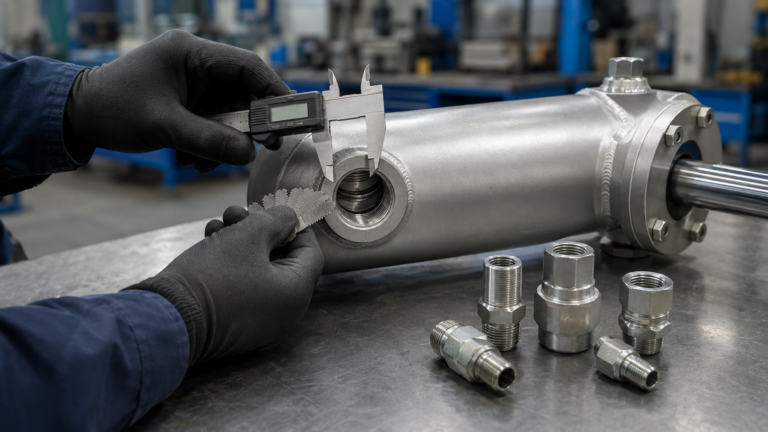
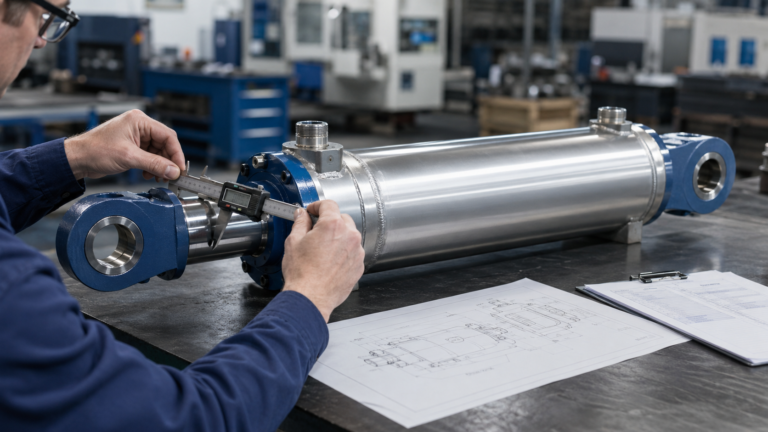
- Require a dimensional drawing with bore, rod, stroke, closed length, extended length, port position, mount type, and tolerance notes.
- Require the material and surface treatment for barrel, rod, gland, piston, pins, and mounting eyes.
- Require a pressure test record and define whether testing is done per project specification or supplier standard procedure.
- Require seal material details, especially for temperature, oil compatibility, outdoor exposure, and contamination level.
- Require packaging rules that protect ports, rods, threads, paint, and machined mounts during ocean freight or long-distance trucking.
For ZHY projects, the most useful early document is a controlled drawing plus an application note describing load direction, duty cycle, working pressure, peak pressure, environment, and expected service interval. That information lets the supplier recommend construction instead of simply quoting the drawing.
How are market trends changing welded and tie rod cylinder sourcing?
Hydraulic cylinder sourcing is moving toward application-specific validation, better traceability, and more compact machine design. OEM buyers are no longer judging cylinders only by steel weight; they are judging warranty exposure, assembly fit, field service access, and supplier response speed.
Mobile machinery continues to push compact hydraulic layouts because equipment makers need more function inside smaller envelopes. That supports demand for welded and custom cylinders with optimized mounts, ports, cushions, and coatings. At the same time, industrial automation and maintenance distributors still value tie rod cylinders because a familiar standard cylinder can be repaired quickly and stocked efficiently.
Another trend is documentation. Buyers increasingly request production inspection records, seal kit traceability, coating details, and packaging photos before shipment. This is especially important for importers and OEM procurement managers who cannot inspect every batch in person.
The best sourcing decision is therefore not “which type is universally better.” The better question is which construction reduces the dominant cost in your project. In mobile equipment, the dominant cost is usually warranty repair and downtime after shock, corrosion, or misalignment. In industrial equipment, the dominant cost is often maintenance time, spare-part availability, and replacement interchangeability.
Practical Asset: OEM cylinder selection checklist before ordering
Use this checklist before releasing a sample order or batch PO. It is designed for procurement managers, engineering buyers, and importers who need to compare welded and tie rod quotations without missing hidden lifecycle risks.
- Define the machine position first: write whether the cylinder works in a boom, clamp, lift, press, steering, outrigger, door, conveyor, or tooling axis.
- State the operating environment: indoor factory, outdoor mobile equipment, washdown zone, abrasive dust, mud, salt exposure, or temperature extremes.
- Ask the supplier to recommend welded or tie rod construction in writing and explain the reason in relation to shock load, service access, and mounting space.
- Send the required bore, rod diameter, stroke, pressure, closed length, extended length, mount type, port type, and port orientation in one controlled drawing.
- Ask which standard or internal specification controls the design, including ISO 6020, ISO 6022, ISO 3320, ISO 4413, NFPA dimensions, or a custom OEM drawing.
- Request material details for barrel, rod, gland, piston, end caps, mountings, pins, and bushings; do not accept “standard material” as the only answer.
- Require seal brand or seal material information and confirm compatibility with hydraulic oil, temperature range, contamination level, and expected service interval.
- Ask how the cylinder is serviced: gland removal method, special tools, seal kit part number, tie rod torque procedure if applicable, and repair documentation.
- Verify inspection documents: dimensional report, pressure test record, visual weld check, coating check, and packaging photos before shipment.
- Approve one sample under real mounting conditions before mass production, then freeze the drawing revision, material specification, paint requirement, and packaging method.
FAQ
1. Is a welded hydraulic cylinder stronger than a tie rod hydraulic cylinder?
A welded cylinder is usually the stronger first choice for compact mobile equipment because the body design avoids exposed tie rods and suits vibration-heavy layouts. That does not mean every welded cylinder is automatically stronger in every specification. Actual strength depends on bore, rod diameter, material, weld quality, mounting geometry, pressure rating, and side-load control. For stable industrial machines, a properly specified tie rod cylinder can be reliable and easier to maintain.
2. Why are tie rod hydraulic cylinders common in factories?
Tie rod cylinders are common in factories because they are service-friendly and often easier to standardize. Maintenance teams can access end caps, seals, and tubes more directly than with many welded designs. Industrial machines also tend to have cleaner environments, more predictable loads, and planned maintenance windows. In those conditions, the external tie rod construction is not a major disadvantage, while fast repair and dimensional interchangeability can reduce downtime.
3. Can a tie rod cylinder be used on mobile equipment?
It can be used, but it is often not the preferred choice for high-shock mobile positions. If the cylinder is installed on a relatively protected function with moderate loads and good alignment, a tie rod design may work. However, for loader arms, compact attachments, agricultural implements, and machines exposed to vibration, welded construction is usually safer. The buyer should ask the supplier to evaluate vibration, mounting loads, contamination, and tie rod loosening risk before approval.
4. Which standards matter when comparing hydraulic cylinders?
ISO 4413 is important for general hydraulic system safety requirements. ISO 6020-1 and ISO 6020-2 cover 16 MPa mounting dimension series for single-rod cylinders, while ISO 6022 covers 25 MPa series mounting dimensions. ISO 3320 helps standardize metric cylinder bores and piston rod diameters. NFPA square-head cylinder standards are also common for industrial tie rod cylinders, especially in North American replacement and interchange discussions.
5. What should an OEM ask ZHY before choosing welded or tie rod cylinders?
An OEM should ask ZHY for a construction recommendation based on the machine position, duty cycle, working pressure, peak pressure, mounting geometry, environment, and maintenance plan. The buyer should also request drawings, material details, seal information, pressure test records, service instructions, and packaging photos. If the project is compact mobile equipment, ask for welded options first. If the project is standard industrial machinery, ask for tie rod options and seal-kit availability.
References
- ISO 4413:2010 Hydraulic fluid power — General rules and safety requirements for systems and their components, International Organization for Standardization, ISO, 2010.
- ISO 6020-1:2007 Hydraulic fluid power — Mounting dimensions for single rod cylinders, 16 MPa (160 bar) series — Part 1: Medium series, International Organization for Standardization, ISO, 2007.
- ISO 6020-2:2015 Hydraulic fluid power — Mounting dimensions for single rod cylinders, 16 MPa (160 bar) series — Part 2: Compact series, International Organization for Standardization, ISO, 2015.
- ISO 6022:2018 Hydraulic fluid power — Mounting dimensions for single rod cylinders, 25 MPa (250 bar) series, International Organization for Standardization, ISO, 2018.
- ISO 3320:2013 Fluid power systems and components — Cylinder bores and piston rod diameters and area ratios — Metric series, International Organization for Standardization, ISO, 2013.
- ANSI/(NFPA) T3.6.7 R2-2009 Square Head Industrial Fluid Power Cylinders — Mounting Dimensions, National Fluid Power Association, NFPA, 2009.
- Fluid Power Data Book, National Fluid Power Association, NFPA, 2024.
- Industrial Hydraulic Cylinders Catalog HY08-0931/NA, Parker Hannifin Cylinder Division, Parker Hannifin Corporation, 2023.
How this comparison closes the OEM buying decision
The useful way to read the welded vs tie rod hydraulic cylinder comparison is to connect construction to failure cost. A welded design is not chosen because it sounds heavier or more rugged; it is chosen because compact mobile equipment creates vibration, impact, dirt exposure, and packaging constraints that reward a compact body and fewer exposed structural fasteners. A tie rod design is not chosen because it is old-fashioned or cheaper; it is chosen because factory equipment rewards service access, repeatable dimensions, and easier replacement planning.
Why does this matter now? OEM buyers face pressure to shorten development cycles while still controlling warranty claims. A cylinder that fits the drawing but ignores the duty environment can pass sample approval and still fail the business case. ISO 6020 and ISO 6022 references help clarify mounting and pressure classes, ISO 3320 helps normalize bore and rod sizing, and ISO 4413 keeps the discussion tied to hydraulic system safety. These standards do not tell every buyer which construction to purchase, but they create a common language for comparing quotations.
What should the buyer do next? For compact mobile machinery, request a welded cylinder proposal with weld control, rod sizing review, gland service method, coating details, and packaging protection. For standard industrial machinery, request a tie rod proposal with mounting standard, seal kit availability, tie rod torque procedure, and interchange drawing. If both constructions technically fit, select the one that reduces the costliest future event: mobile warranty repair for shock-loaded machines, or factory downtime for machines that need fast maintenance.
The market direction supports this split. Mobile equipment continues to demand compact, application-specific cylinders, while industrial maintenance networks continue to value standardized tie rod cylinders. The best supplier is therefore not the one that promotes one construction in every case. The best supplier is the one that can explain the load path, verify the pressure and dimensions, document the inspection process, and help the buyer route the project into the correct welded or tie rod category before tooling, sampling, and batch production begin.