Working Pressure of Hydraulic Cylinders: How to Avoid Overdesign and Failure
Why do cylinders fail when the quoted normal pressure looks correct?
A cylinder fails at a “correct” normal pressure when the quotation ignores pressure spikes, duty cycle, side loading, and test criteria. For procurement managers and engineering buyers, the most dangerous mistake is asking only for nominal operating pressure while the machine regularly sees shock loads during lifting, braking, clamping, or impact.
The working pressure of hydraulic cylinder is the sustained pressure range expected during real machine operation, not the single highest number found on a hydraulic schematic. A cylinder selected only by nominal pressure may have enough theoretical force but insufficient tube wall margin, seal extrusion resistance, rod stability, or fatigue capacity for the actual application.
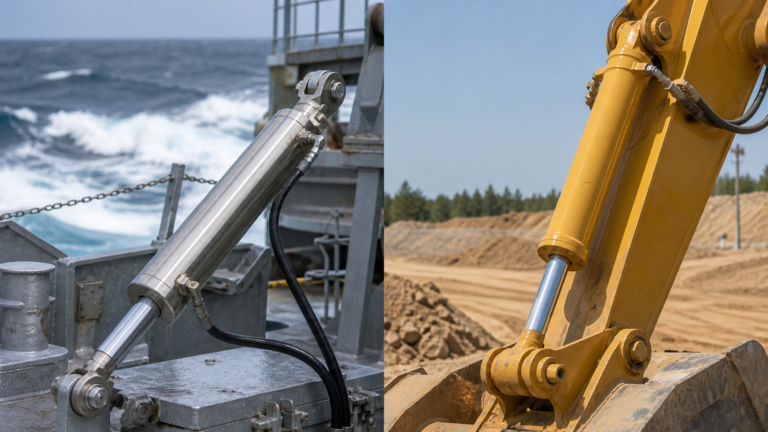
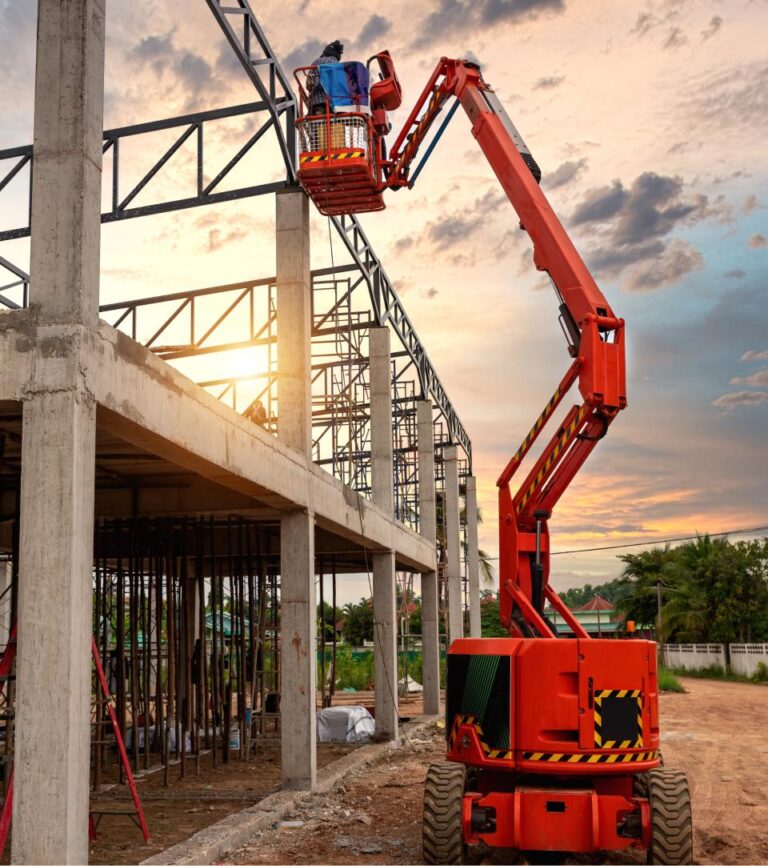
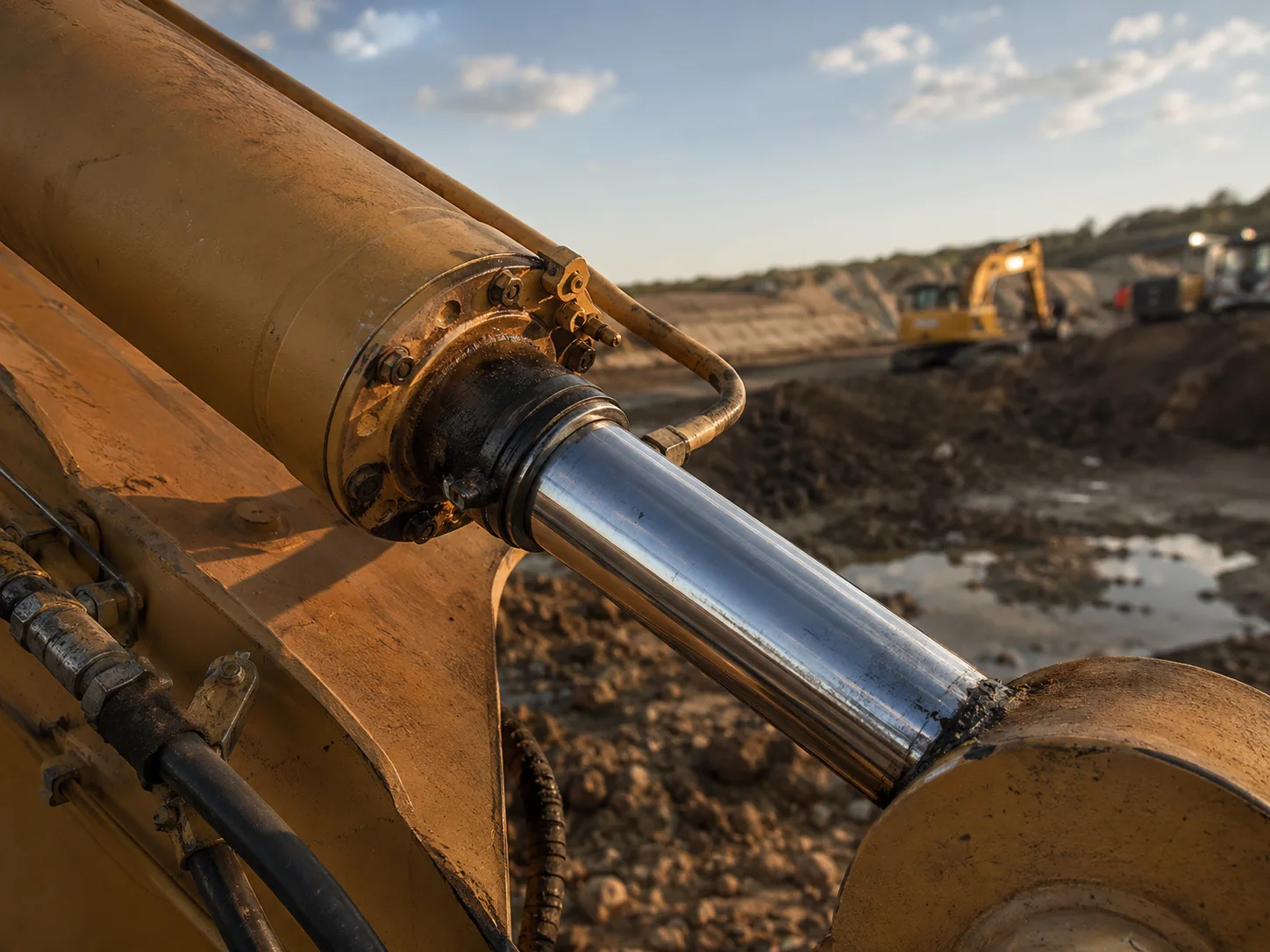
In mobile equipment, construction attachments, presses, and lifting platforms, the cylinder often experiences short pressure peaks when the load changes direction or hits a mechanical stop. Those events may last less than a second, but repeated cycles can damage seals, expand tubes, loosen welded joints, and initiate rod bending.
- Rated pressure
- The manufacturer’s stated continuous design pressure for the cylinder, normally linked to tube strength, end connection design, seal selection, and acceptance testing.
- Peak pressure
- A short-duration pressure spike caused by impact, load reversal, valve response, inertia, or system shock; it must be considered when the spike is frequent or severe.
- Proof pressure
- A verification pressure used during testing to confirm that the cylinder can withstand a defined pressure level without leakage, permanent deformation, or unsafe behavior.
- Burst pressure
- A destructive or ultimate strength concept, not a normal purchasing target; it should not be confused with a safe operating pressure for production equipment.
Key Takeaways
- Nominal pressure alone is not enough when shock load, impact, or load reversal occurs repeatedly.
- Rated pressure should match continuous operation, while peak pressure should guide fatigue margin and heavy-duty design.
- Tube wall, piston seals, rod diameter, gland design, and welding details all respond differently to pressure stress.
- ISO 4413 and ISO 10100 are important references for safe hydraulic system design and cylinder acceptance testing.
- For sourcing, ask suppliers for operating pressure, peak pressure, frequency, test method, seal material, and documented inspection records.
How should buyers compare rated pressure and peak pressure before ordering?
Use rated pressure for continuous operating suitability and peak pressure for shock-load survival. If peak events are rare, a standard cylinder with verified proof testing may be acceptable; if peaks are frequent, the cylinder should be treated as a heavy-duty component, not a standard unit with a higher safety claim.
ISO 6020-2 covers 16 MPa compact hydraulic cylinder mounting dimensions, while ISO 6022 covers 25 MPa heavy-duty cylinder mounting dimensions. These standards do not replace engineering calculation, but they show why pressure class is commonly tied to series, mounting geometry, and application severity.
When a buyer says “the system runs at 16 MPa,” ZHY would still ask how often the circuit reaches relief valve pressure, whether the cylinder hits end stroke under load, and whether the machine has pressure transducers showing actual spike history. A stable 16 MPa press cylinder is a different problem from a 16 MPa excavator cylinder that often sees impact spikes.
Which parts are most affected by hydraulic cylinder pressure?
Hydraulic cylinder pressure affects the tube first, but failure often appears at seals, rods, welds, or bearings. A pressure upgrade is not a single wall-thickness change; it is a system-level decision involving steel grade, bore, stroke, rod diameter, seal extrusion gap, gland retention, surface finish, and test controls.
Tube and end connections
The tube must resist hoop stress, while welded or threaded end connections must resist axial load. For mechanical tubing, ASTM A519/A519M is a common reference for seamless carbon and alloy steel mechanical tubing, but the specification alone does not prove cylinder suitability. Buyers should still request material certificates, dimensional inspection, weld procedure control where applicable, and pressure test records.
Seals and extrusion gaps
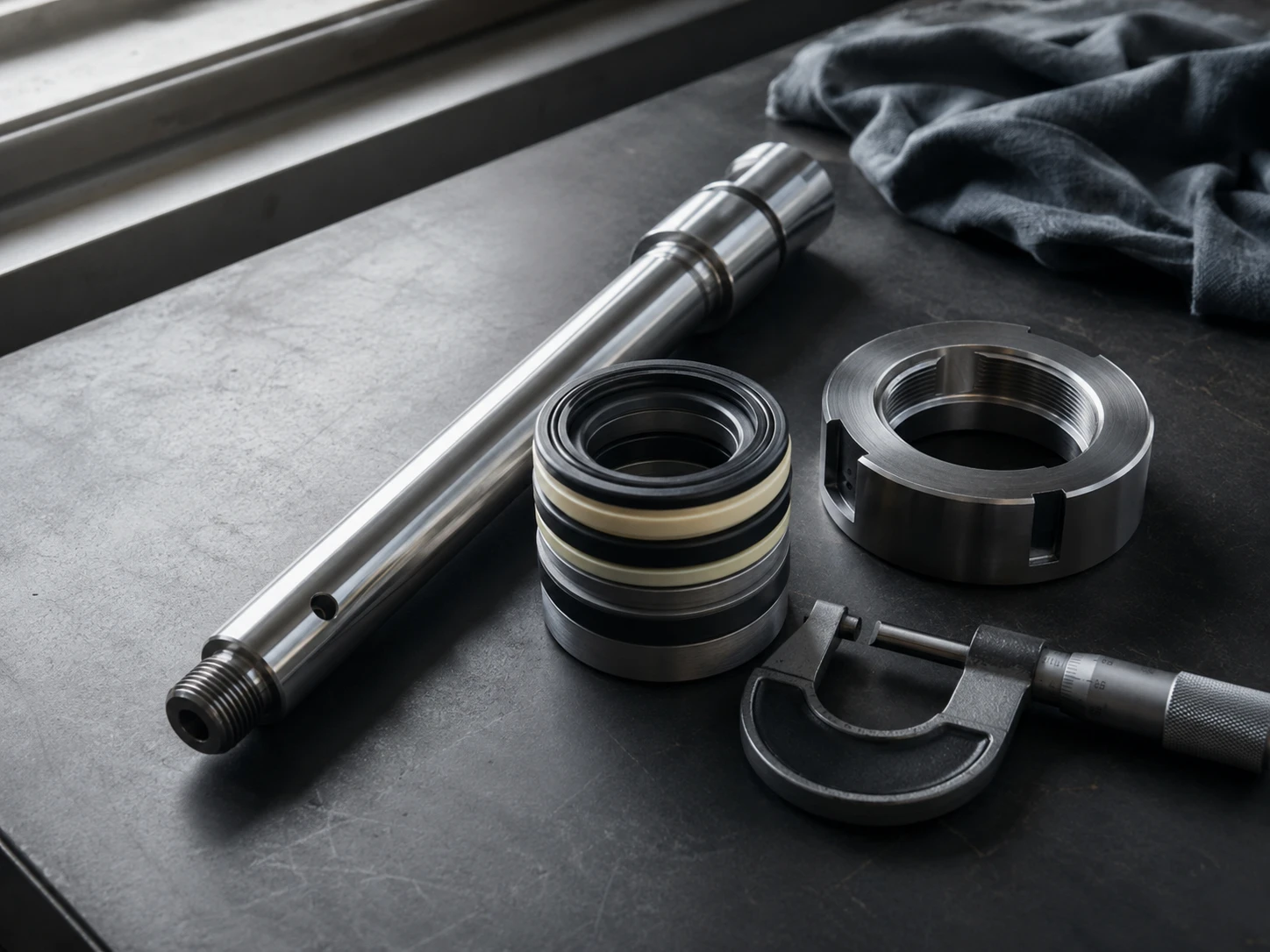
Seals fail when pressure, temperature, fluid compatibility, and extrusion gap exceed the material’s working range. Polyurethane seals often provide strong abrasion resistance in mobile hydraulics, while PTFE-based seals are used where friction control, temperature stability, or chemical compatibility is more important. The correct choice depends on actual pressure cycling and contamination control, not only on catalog pressure rating.
Rod diameter and buckling risk
The rod must be checked for compression buckling, especially on long strokes and pushing applications. A cylinder may hold pressure in a test stand but bend in the machine if the rod is too slender, the side load is high, or the mounting alignment is poor. This is why stroke length, mounting type, load direction, and guide length must be reviewed together.
- Ask for bore, rod diameter, stroke, mounting style, and retracted length before price comparison.
- Confirm whether the cylinder pushes, pulls, clamps, tilts, or absorbs impact.
- Check whether pressure peaks happen at the end of the stroke, during load reversal, or during the emergency stop.
- Require proof pressure testing and leakage criteria for production batches.
What specification data should a commercial buyer request?
Ask for pressure data in the same sequence the machine experiences it: normal operating pressure, relief setting, measured peak pressure, frequency of peaks, cycle rate, fluid temperature, and expected life. This prevents both underdesign and unnecessary overdesign, especially for OEM buyers comparing multiple factories.
| Operating situation | Pressure evidence to request | Recommended design direction | Main purchasing risk |
|---|---|---|---|
| Stable industrial clamping | Normal operating pressure, relief setting, cycle count, leakage tolerance | Standard rated series with validated seals and repeatable proof testing | Overpaying for heavy-duty construction that adds cost but little value |
| Mobile lifting with load reversal | Measured peak pressure, duty cycle, side-load condition, mounting alignment | Heavy-duty rod, stronger gland support, robust wiper and bearing arrangement | Rod bending, seal extrusion, and early leakage during shock events |
| Press or compactor impact cycle | Peak duration, impact frequency, oil temperature, end-stroke behavior | Fatigue-conscious tube and end design, reinforced seals, strict testing | Cracking, permanent deformation, or rapid seal failure |
| Low-duty positioning system | Rated pressure, holding time, contamination level, temperature range | Cost-controlled cylinder with appropriate sealing and corrosion protection | Unnecessary mass, slower response, and higher freight cost |
How to use this table: prioritize the column that describes the real machine behavior, then choose the design direction that addresses the worst repeated condition. If two situations seem close, choose the one with higher peak frequency rather than the one with the lower purchase price.
Commercial investigation should also separate drawing compliance from performance compliance. A supplier may match bore, stroke, and mounting dimensions but still use a seal package, rod coating, or tube process that is unsuitable for frequent pressure spikes.
When does overdesign become a real cost problem?
Overdesign becomes harmful when added pressure margin increases weight, lead time, energy consumption, and installation burden without reducing the actual failure mode. If the machine fails because of contamination, side load, poor alignment, or heat, a higher pressure class alone will not fix the problem.
A thicker tube and larger rod can improve strength, but they also raise steel cost, machining time, shipping weight, and system inertia. In OEM production, a cylinder that is 15 percent heavier may affect frame brackets, installation tooling, and spare parts inventory across hundreds of machines.
The better approach is targeted margin. Use a stronger design for components exposed to repeated shock load, but avoid upgrading every dimension when the duty cycle is mild. For example, a low-speed lifting table may need reliable holding seals and corrosion protection more than an expensive heavy-duty pressure class.
Which standards and tests matter for pressure confidence?
Pressure confidence should come from recognized standards, controlled manufacturing, and documented inspection. ISO 4413 provides general rules and safety requirements for hydraulic systems and components, while ISO 10100 specifies acceptance tests for hydraulic cylinders, including pressure-related verification.
ISO 6020-2 and ISO 6022 are useful when buyers need standardized mounting dimensions for 16 MPa compact series and 25 MPa heavy-duty series cylinders. ISO 3320 helps align bore and piston rod diameter terminology in metric cylinder design. These standards create a common language between engineering teams and suppliers.
For material control, buyers commonly request steel certificates and tubing specifications such as ASTM A519/A519M for seamless mechanical tubing where applicable. For sealing, supplier documentation from established seal manufacturers such as Parker Hannifin or Trelleborg helps verify compatibility with pressure, temperature, and hydraulic fluid.
ZHY recommends treating pressure testing as a procurement document, not a verbal promise. Ask for the test pressure, holding time, leakage acceptance rule, oil temperature range, and whether every cylinder or sampled units are tested. For safety-critical applications, batch-level traceability is more valuable than a general catalog claim.
What should be checked before approving a supplier quote?
Approve a quote only after the supplier has translated pressure, duty cycle, and testing requirements into the cylinder design. A low unit price is risky when the supplier has not asked about pressure peaks, cycle frequency, mounting load, oil temperature, contamination, or acceptance testing.
For a commercial investigation, compare suppliers by engineering response rather than catalog confidence. A qualified factory should challenge incomplete pressure data, explain seal selection, identify possible rod buckling risk, and provide a realistic inspection plan. If the supplier quotes immediately from bore and stroke alone, the quote may be fast but technically weak.
Practical Asset: pressure specification checklist before RFQ
Use this checklist before sending drawings or approving a sample. It is designed for procurement managers, OEM buyers, and engineering purchasers who need comparable quotations without hiding the actual pressure risk.
- Ask the machine team for normal operating pressure, relief valve setting, and measured peak pressure from the circuit, not only the pump rating.
- Record how often the peak occurs: once per shift, every cycle, at end stroke, during braking, or during impact with material.
- Specify bore, rod diameter, stroke, mounting type, load direction, speed, and whether the cylinder mainly pushes, pulls, clamps, lifts, or absorbs shock.
- Request the supplier’s proposed tube material, rod material, rod surface treatment, seal material, bearing arrangement, and gland retention method.
- Ask for the pressure test standard, test pressure, holding time, leakage acceptance criterion, and whether testing is 100 percent or sample-based.
- Check whether the supplier can provide material certificates, dimensional inspection reports, seal brand or specification, and batch traceability.
- Compare quotations by pressure risk coverage first, then by price. If two prices differ sharply, identify which one omitted testing, surface treatment, or heavy-duty sealing.
- Before mass production, approve a sample under the real duty cycle, including temperature, contamination level, and repeated peak events when possible.
FAQ
1. What is the difference between rated pressure and working pressure?
Rated pressure is the manufacturer’s stated continuous pressure capability for a cylinder design, while working pressure is the actual pressure range the cylinder experiences in the machine. They should be close enough for safe operation, but they are not identical. A machine may normally work below the rated value and still create short spikes above it. Buyers should verify whether the supplier’s rated value is supported by design calculation, material selection, and acceptance testing such as the hydraulic cylinder tests described in ISO 10100.
2. Is peak pressure always a problem for hydraulic cylinders?
Peak pressure is not always a problem if it is rare, short, and within the cylinder’s verified safety margin. It becomes a procurement risk when spikes occur frequently or combine with side load, high temperature, contamination, or end-stroke impact. In those cases, the cylinder should be evaluated as a fatigue and sealing problem, not only a force calculation. The buyer should request measured pressure data and ask the supplier how the tube, seals, rod, and gland are protected against repeated shock load.
3. Can I solve pressure risk by choosing a larger cylinder?
A larger cylinder can reduce required operating pressure for the same force, but it does not automatically solve every pressure-related failure. Larger bore size may increase oil volume, slow response, raise weight, and require changes to brackets or pumps. If the real issue is seal extrusion, rod buckling, poor alignment, or contamination, oversizing may only add cost. A better approach is to match bore, rod, tube, seals, and testing to the measured duty cycle and peak pressure pattern.
4. Which standards should I mention in a hydraulic cylinder RFQ?
For pressure and safety discussions, ISO 4413 is a useful reference for hydraulic system safety requirements, and ISO 10100 is relevant for hydraulic cylinder acceptance tests. If standardized mounting dimensions are required, ISO 6020-2 and ISO 6022 may apply depending on pressure class and cylinder series. For tubing material, ASTM A519/A519M may be relevant when seamless mechanical tubing is specified. The RFQ should still include your actual operating data, because standards do not replace application-specific engineering review.
5. What should I ask ZHY before ordering cylinders for shock-load equipment?
Ask ZHY to review rated pressure, peak pressure, peak frequency, stroke, mounting type, load direction, and expected cycle life together. Also request seal material, rod surface treatment, tube material, proof test method, leakage criteria, and inspection records. If the machine is used in construction, compaction, lifting, or impact conditions, provide real pressure traces if available. That information allows the supplier to recommend a suitable heavy-duty design without blindly increasing every dimension and cost.
References
- ISO 4413: Hydraulic fluid power — General rules and safety requirements for systems and their components, International Organization for Standardization, ISO, 2010.
- ISO 10100: Hydraulic fluid power — Cylinders — Acceptance tests, International Organization for Standardization, ISO, 2020.
- ISO 6020-2: Hydraulic fluid power — Mounting dimensions for single rod cylinders, 16 MPa compact series, International Organization for Standardization, ISO, 2015.
- ISO 6022: Hydraulic fluid power — Mounting dimensions for single rod cylinders, 25 MPa series, International Organization for Standardization, ISO, 2015.
- ISO 3320: Fluid power systems and components — Cylinder bores and piston rod diameters — Metric series, International Organization for Standardization, ISO, 2013.
- ASTM A519/A519M: Standard Specification for Seamless Carbon and Alloy Steel Mechanical Tubing, ASTM International, ASTM, 2024.
- Parker O-Ring Handbook ORD 5700, Parker Hannifin Corporation, Parker Hannifin, 2021.
- Hydraulic Seals Product Catalog, Trelleborg Sealing Solutions, Trelleborg, 2023.
How pressure decisions close the gap between safe design and smart sourcing
The best pressure decision is neither the cheapest standard cylinder nor the largest heavy-duty cylinder. It is the cylinder whose pressure class, seal package, rod design, material control, and test method match the machine’s real operating pattern. That is why the sourcing conversation should start with how the load behaves, not only with bore and stroke.
For commercial buyers, the main value of pressure analysis is risk visibility. Rated pressure tells you what the supplier says the cylinder can continuously handle. Peak pressure tells you what the machine may actually impose when it shocks, stops, reverses, or impacts. The buying decision becomes clearer when those two numbers are discussed with frequency, temperature, contamination, and mounting alignment.
Industry practice is also moving toward more documented procurement. Standards such as ISO 4413 and ISO 10100 support a more traceable approach to hydraulic safety and acceptance testing, while standardized cylinder series such as ISO 6020-2 and ISO 6022 help buyers compare dimensional platforms. These references do not remove engineering judgment, but they reduce ambiguity between the OEM, contractor, and factory.
The strongest option for equipment with frequent pressure spikes is a heavy-duty design supported by proof testing and inspection records. The strongest option for stable, low-impact equipment is a correctly sized standard design with good sealing, clean manufacturing, and corrosion protection. The weak option in both cases is an RFQ that says only “normal pressure” and leaves the supplier to guess the duty cycle.
When reviewing quotations, ask what the supplier changed because of your pressure data. If the answer is only “higher rating,” the design may be incomplete. If the supplier can explain tube stress, rod stability, seal extrusion protection, test pressure, and batch inspection, the quotation has stronger technical value. This is the practical way to avoid both overdesign and failure in hydraulic cylinder sourcing.