Excavator Hydraulic Cylinders
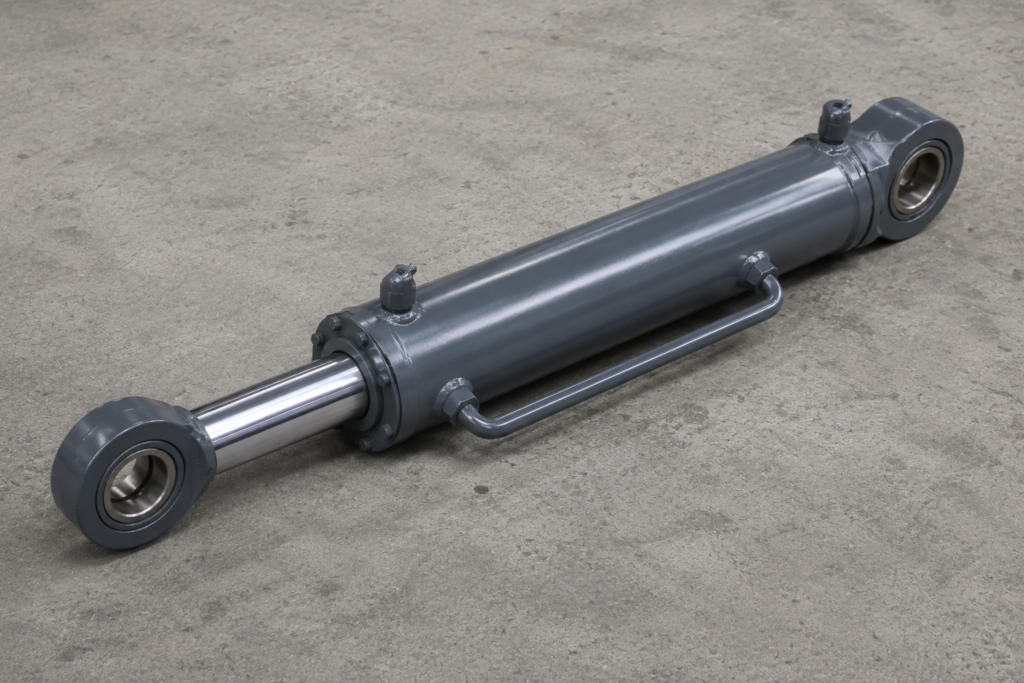
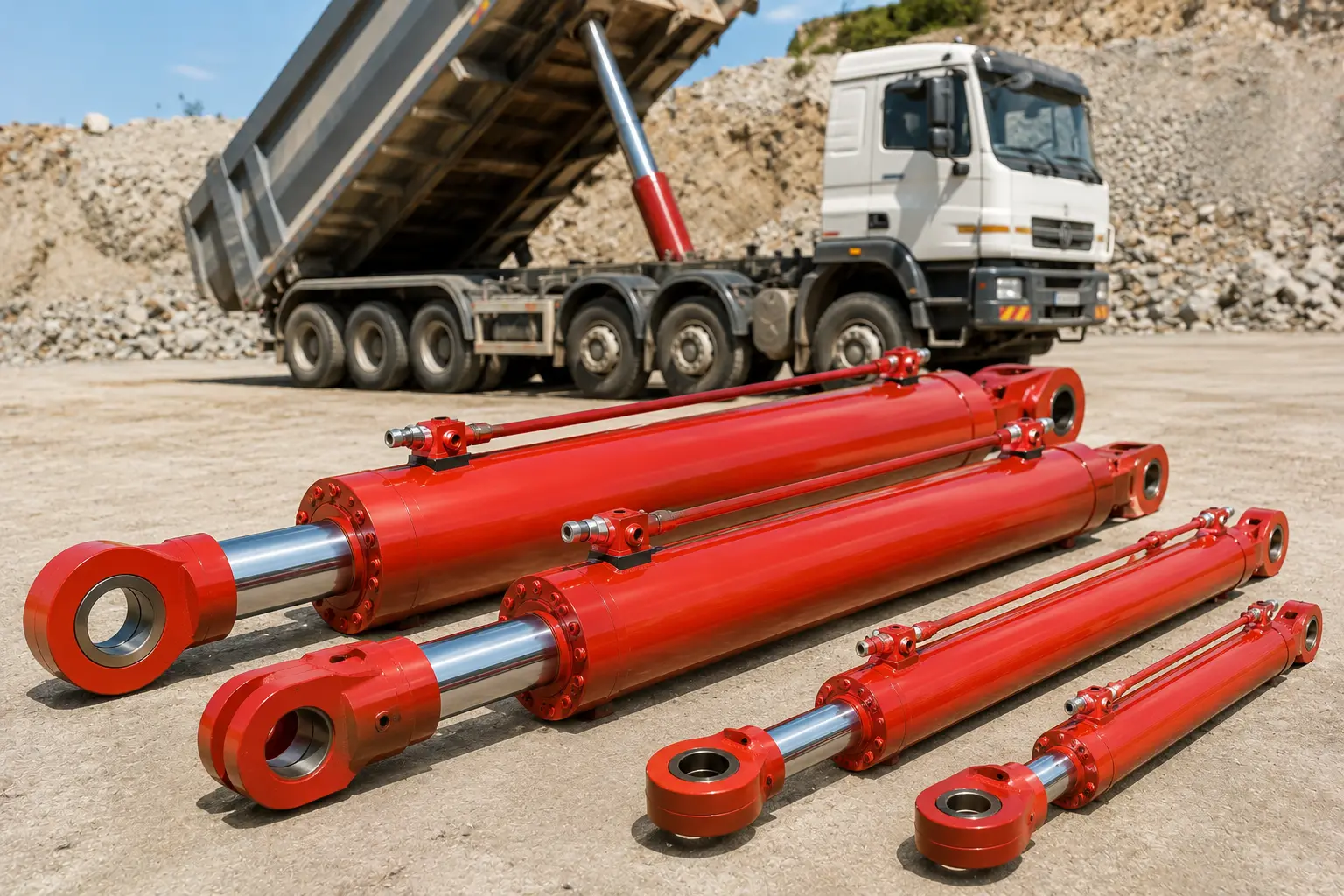
Custom hydraulic cylinders for excavator boom, arm, bucket, blade, and attachment systems. ZHY Hydraulic manufactures excavator cylinders based on drawings, samples, equipment parameters, and real working conditions to help reduce leakage, poor fitting, weak lifting force, and unexpected downtime.
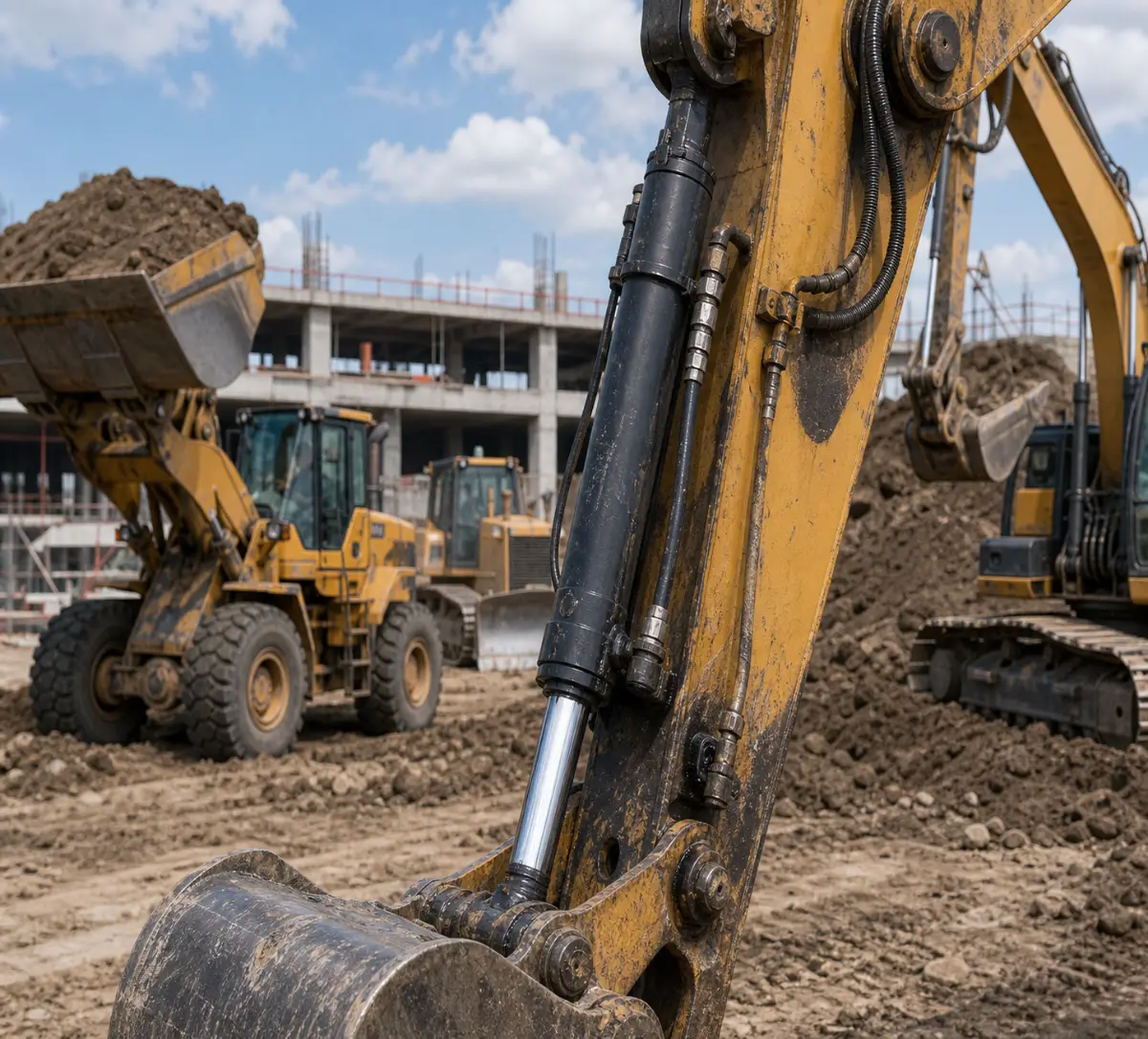
Hydraulic Cylinders Used in Excavators
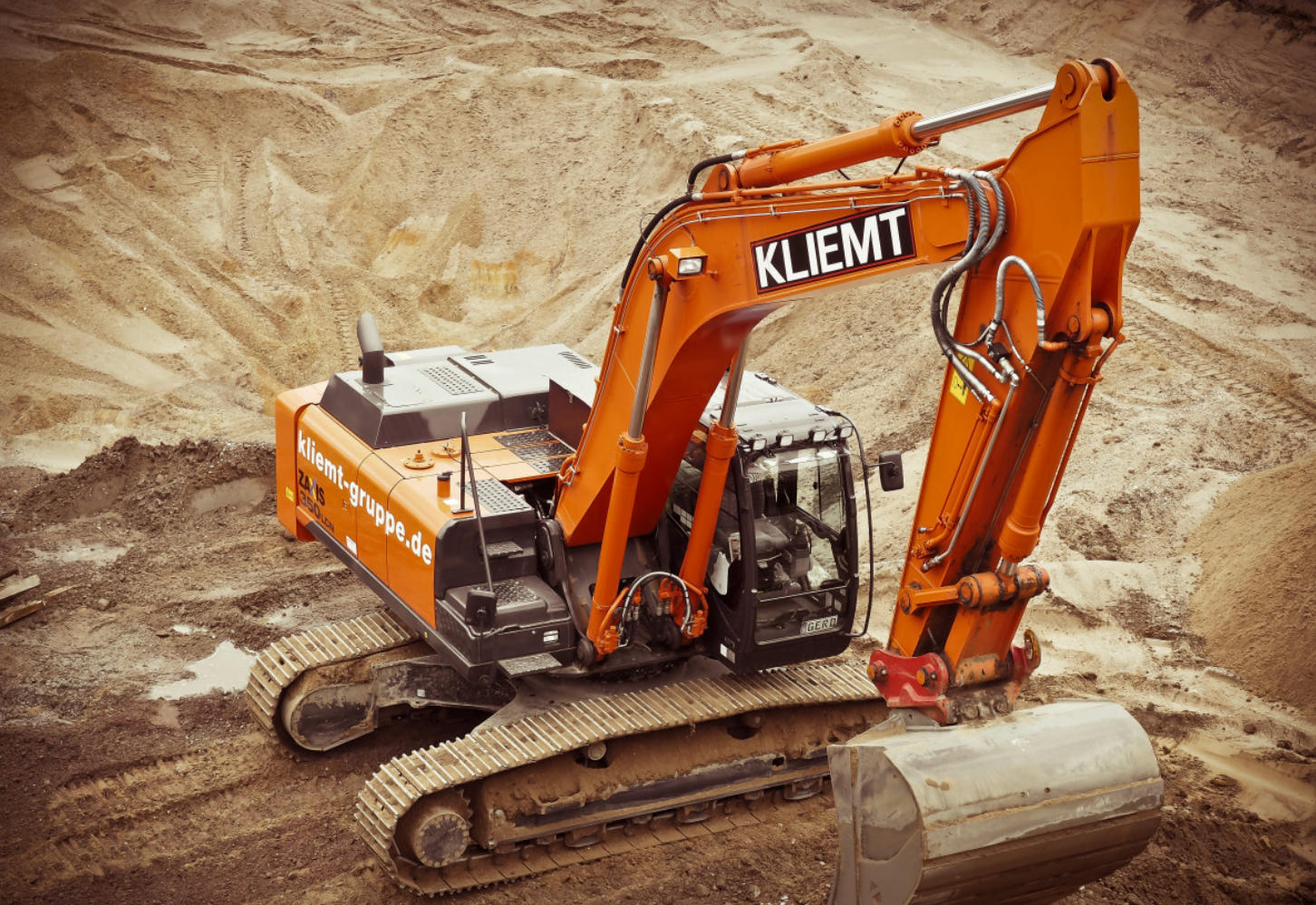
Different excavator positions require different cylinder structures, force output, stroke length, mounting design, and sealing performance. Choosing the wrong cylinder may cause slow movement, unstable digging force, or early failure.

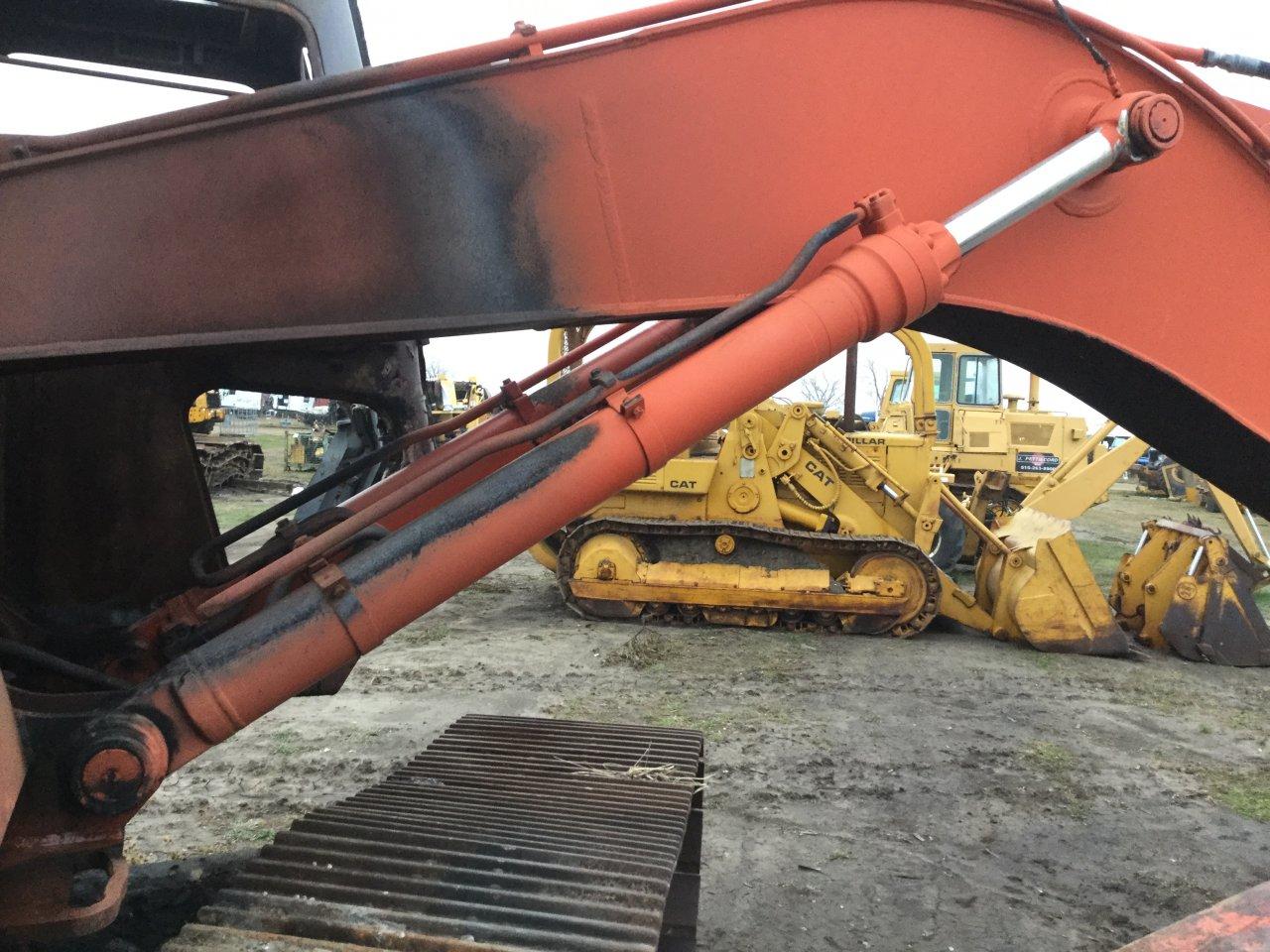
Boom Cylinders
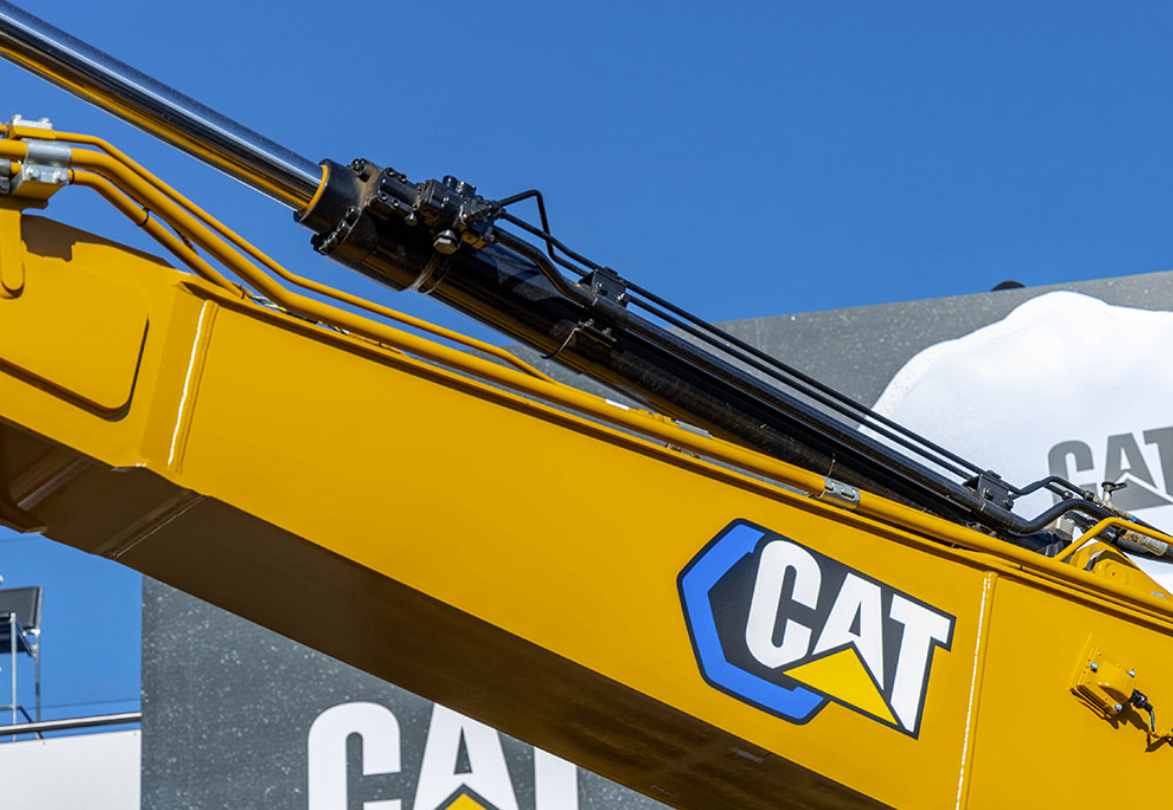
Boom cylinders support the main lifting movement of the excavator. They must handle high load, repeated pressure peaks, and stable extension during digging, lifting, and loading operations.

Arm Cylinders
Arm cylinders control the forward and backward movement of the excavator arm. Accurate stroke, strong rod design, and smooth operation are important for digging depth and working efficiency.

Bucket Cylinders
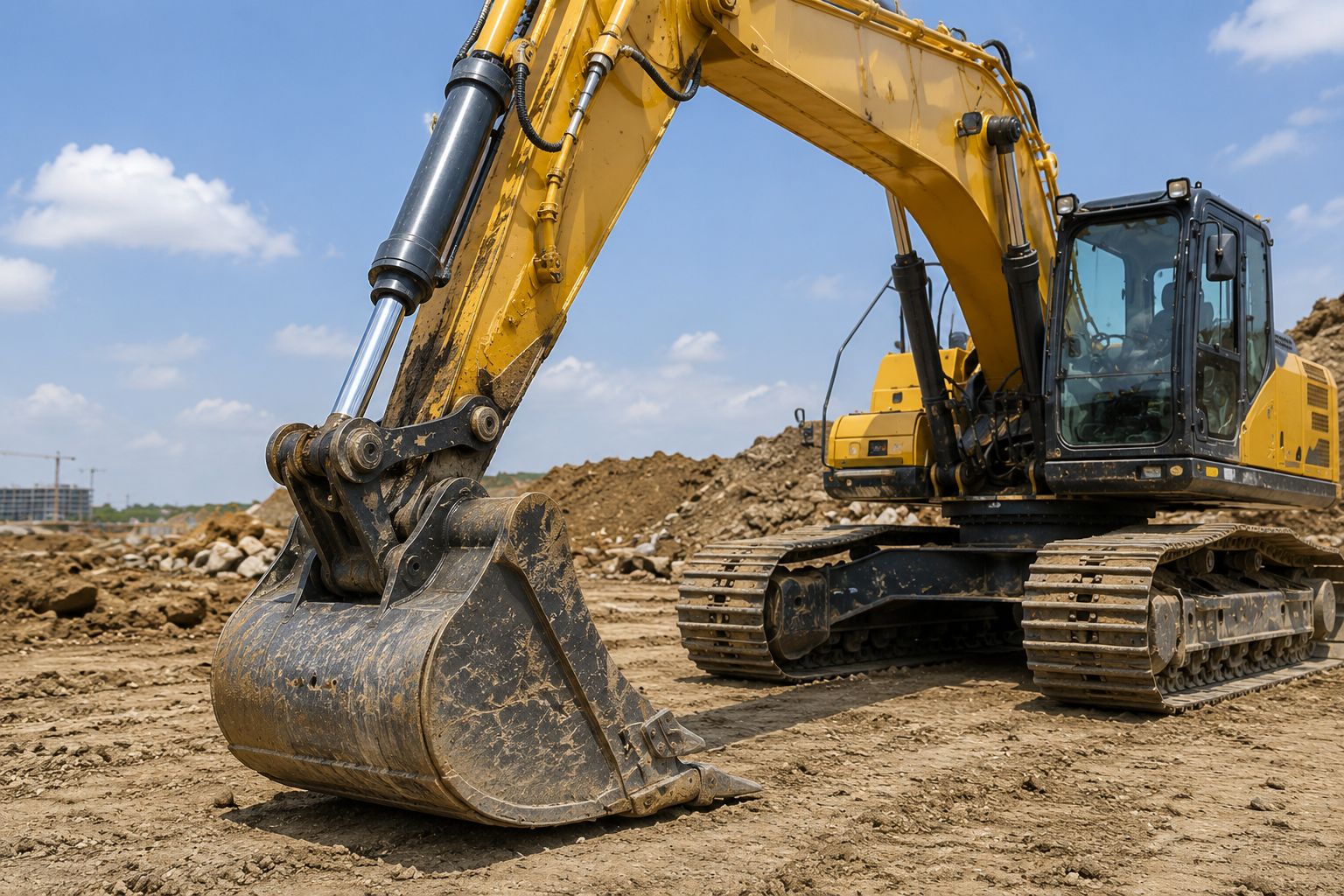
Bucket cylinders face frequent impact and high breakout force. They require strong sealing, reliable rod protection, and stable performance under repeated digging cycles.

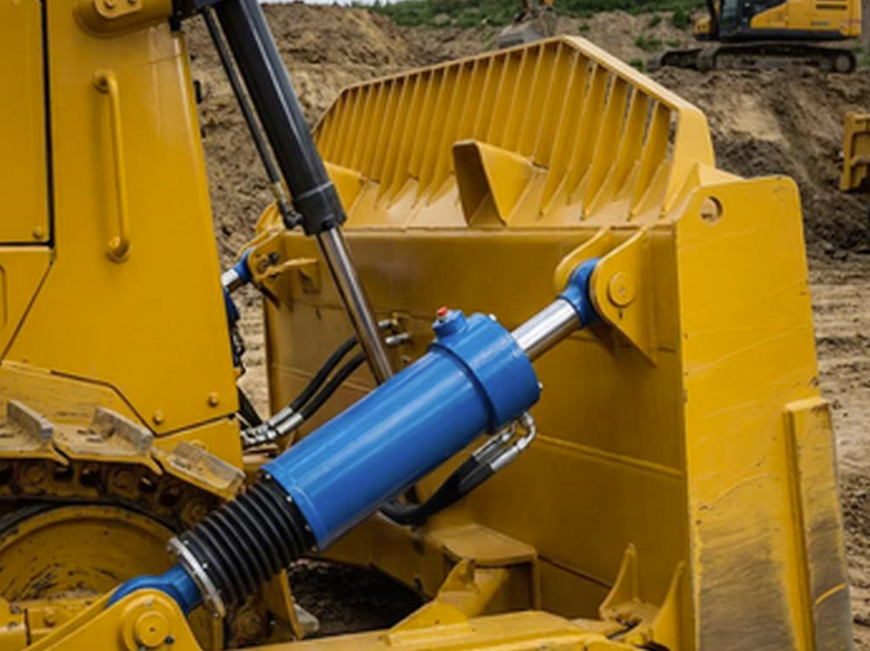
Blade Cylinders
Blade cylinders are used for lifting, lowering, and positioning dozer blades on compact excavators or crawler machines. Mounting accuracy and stable holding force are especially important.

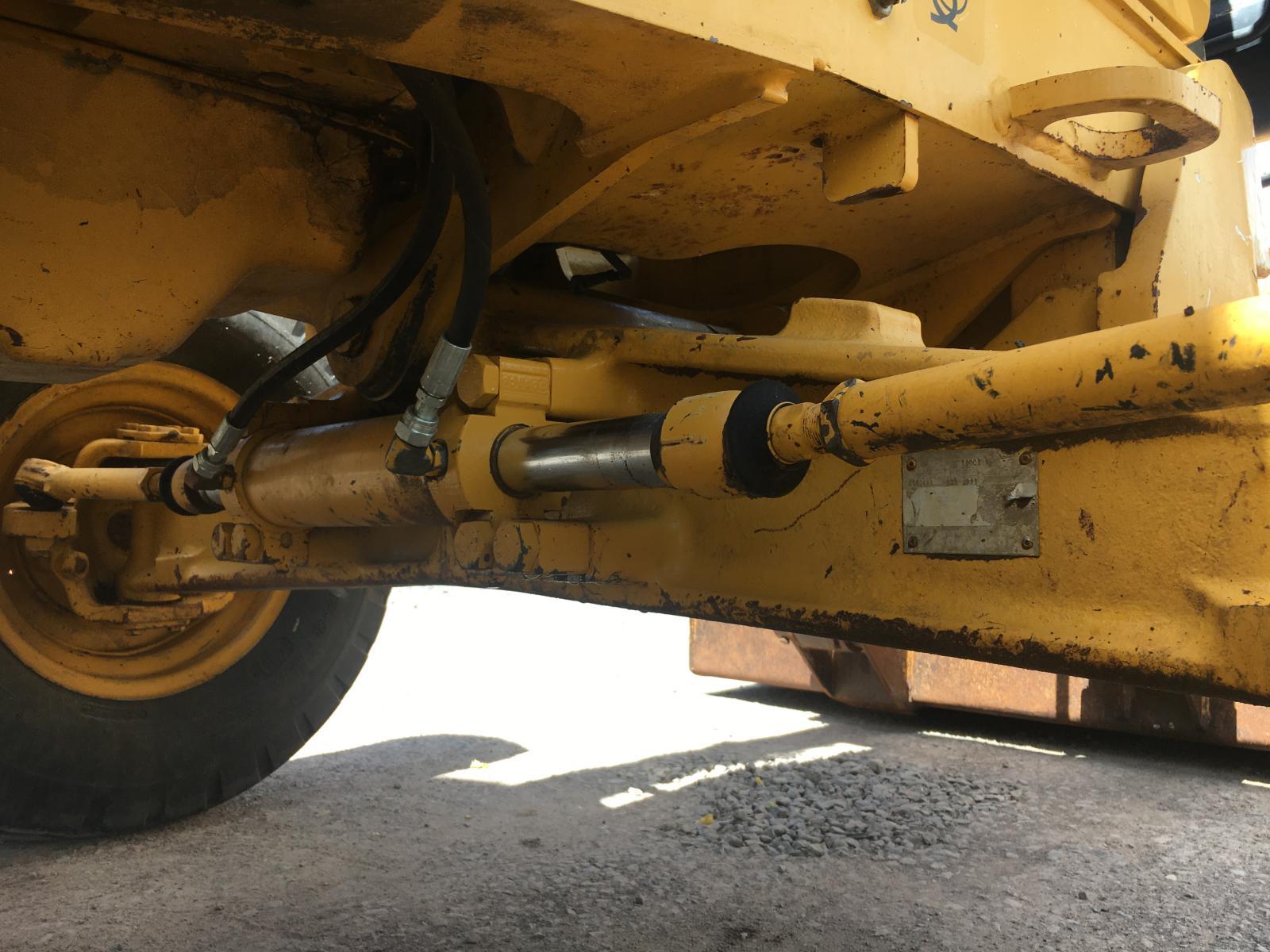
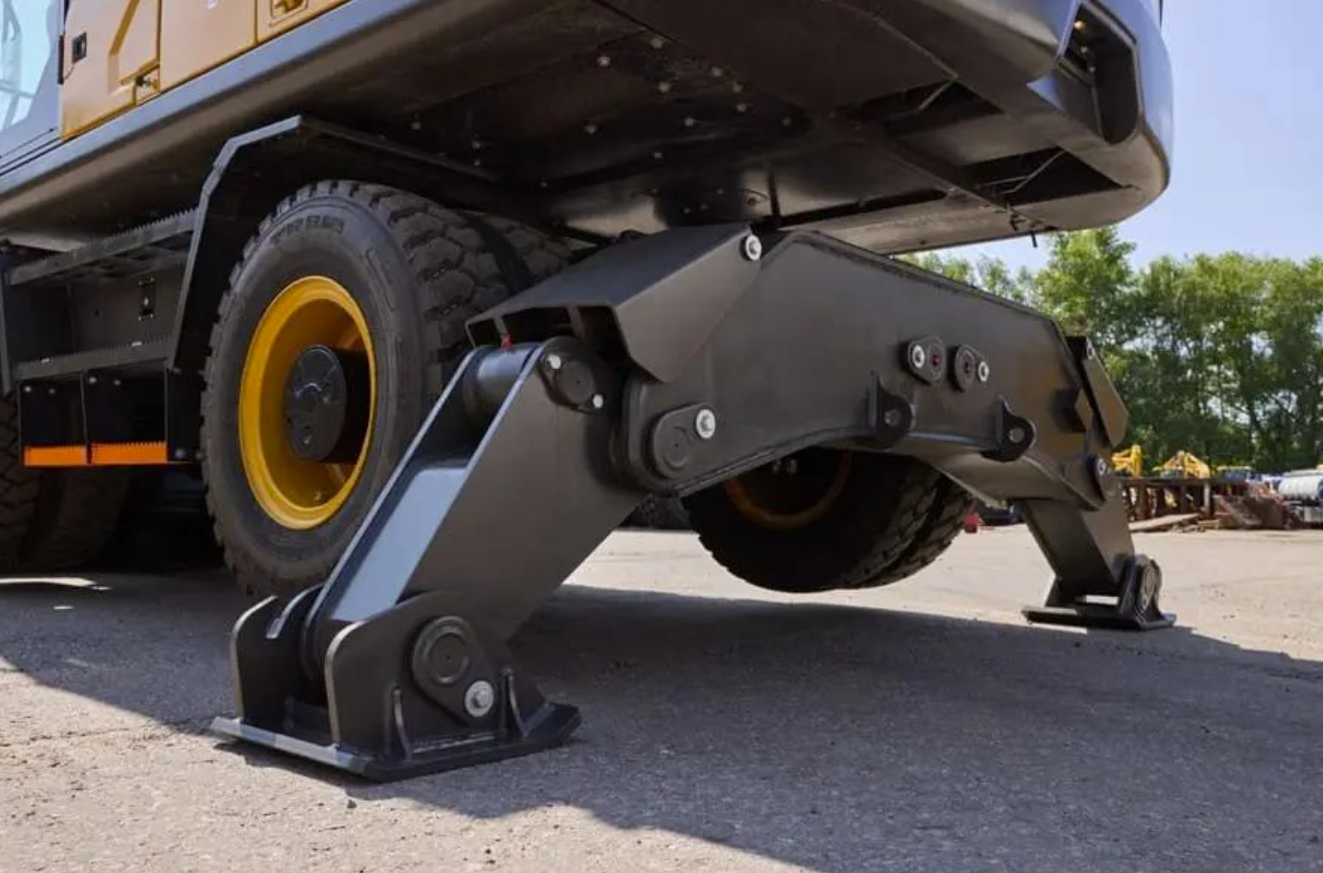
Attachment Cylinders
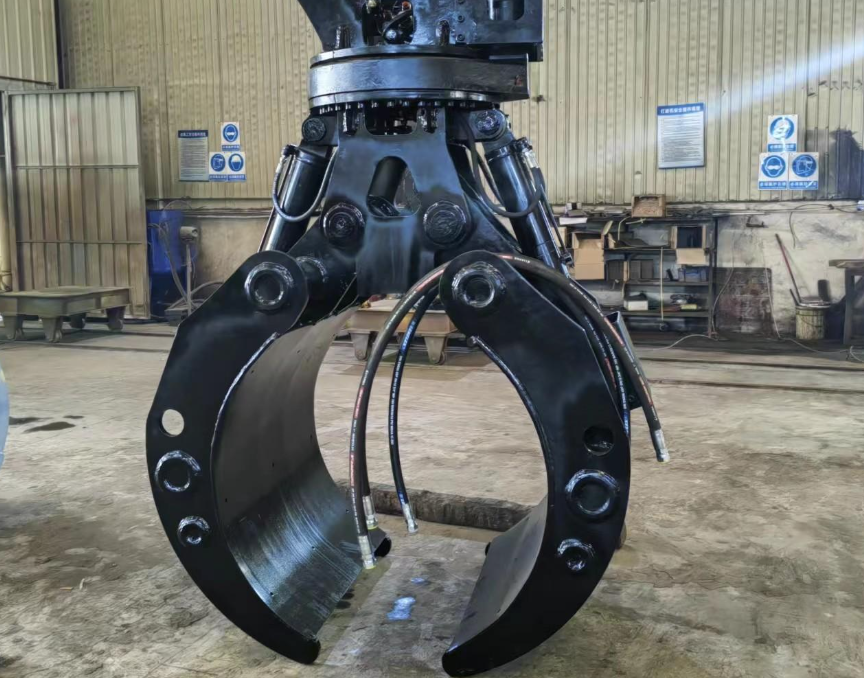
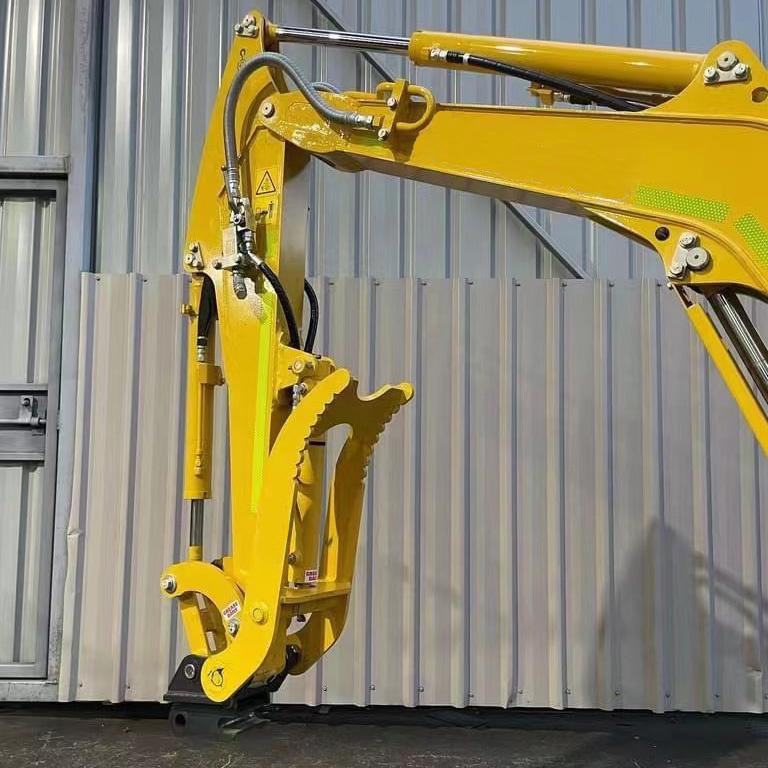
Attachment cylinders are used for thumbs, grapples, breakers, quick couplers, and other hydraulic tools. These cylinders usually need customized stroke, mounting, port position, and working pressure.
Key Engineering Requirements for Excavator Hydraulic Cylinders
High Pressure Resistance
Excavator hydraulic cylinders must withstand repeated pressure changes during digging, lifting, and bucket breakout operations.
Stable Sealing Performance
Proper seal selection helps reduce oil leakage, pressure loss, and maintenance frequency, especially under dusty, muddy, or high-cycle working conditions.
Rod Surface Protection
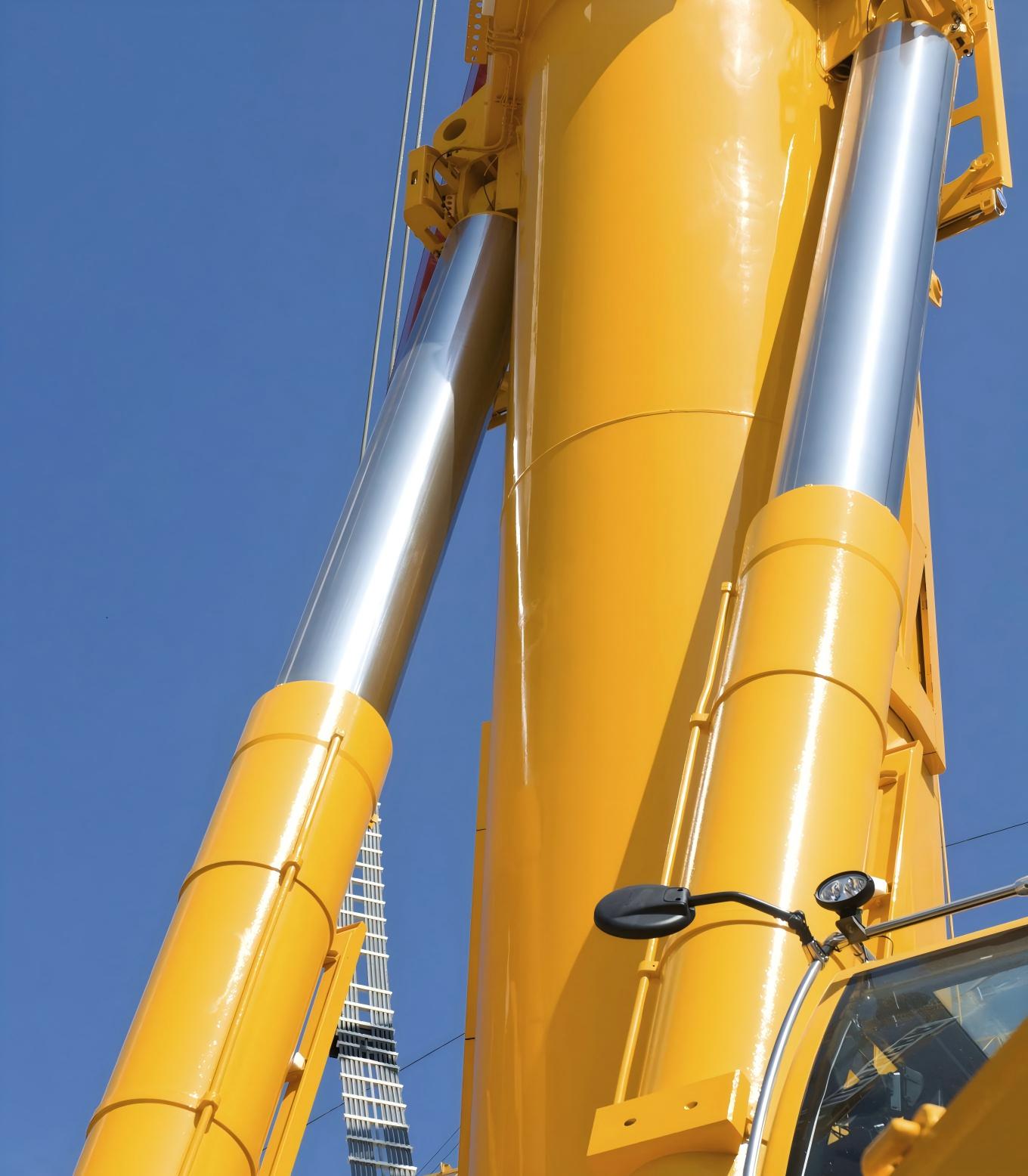
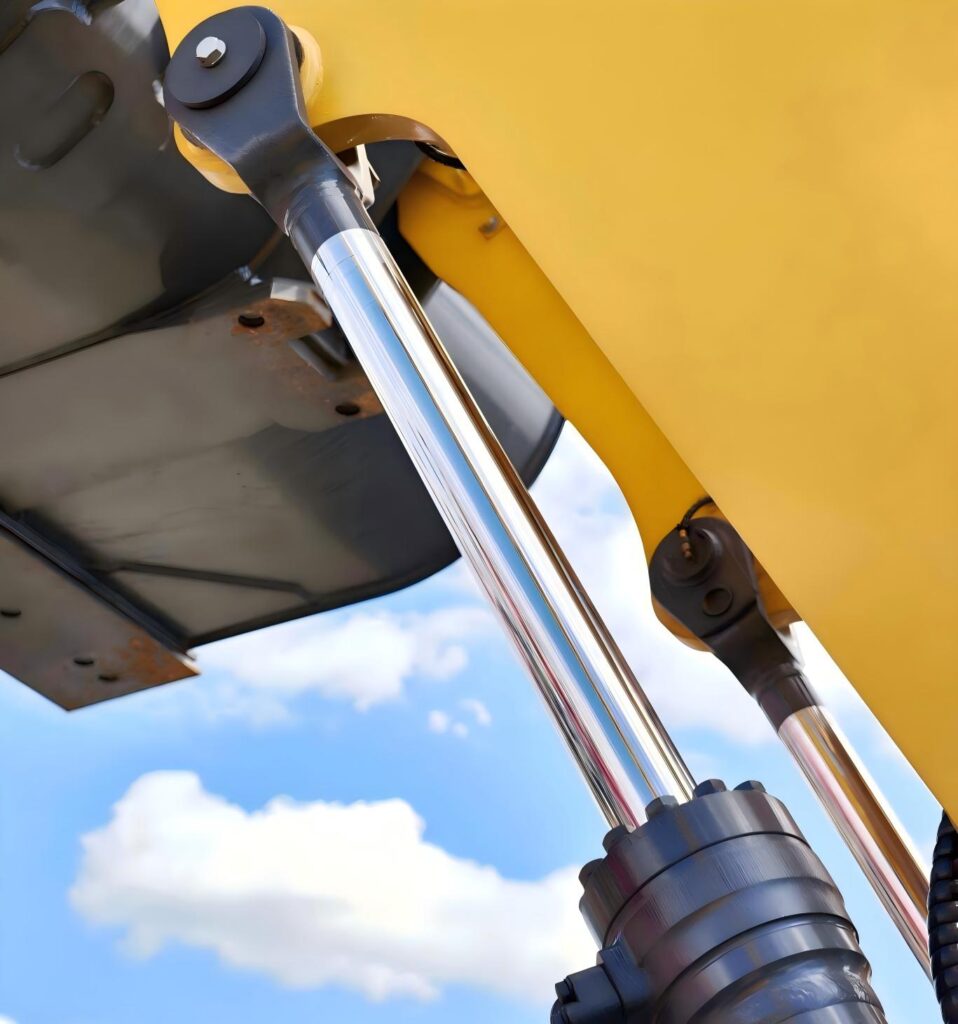
Chrome plated or specially treated piston rods help resist scratches, corrosion, and seal damage caused by outdoor construction environments.
Accurate Mounting Fit
Pin diameter, clevis width, eye-to-eye length, stroke, and port direction must match the machine structure. A small dimensional mistake can create installation problems.
Side Load and Impact Control
Heavy digging may create side load and impact force. Rod diameter, guide length, welding strength, and mounting alignment should be reviewed before production.
Custom Options for Excavator Hydraulic Cylinders
ZHY Hydraulic supports custom excavator cylinder production for OEM buyers, repair buyers, distributors, and equipment service companies. Cylinders can be manufactured according to drawings, samples, or confirmed technical data.
| Custom Option | What Can Be Confirmed | Why It Matters |
|---|---|---|
| Bore Diameter | Customized according to excavator load, pressure, and lifting force requirements. | A wrong bore size may cause weak lifting, slow movement, or excessive system load. |
| Stroke Length | Confirmed based on boom, arm, bucket, blade, or attachment movement range. | Incorrect stroke may limit movement or cause installation interference. |
| Rod Diameter | Selected according to working load, side load risk, and cylinder position. | An undersized rod may bend, scratch, or fail early under heavy-duty excavation work. |
| Closed & Extended Length | Checked against the original cylinder, drawing, or machine mounting space. | Wrong overall length can prevent the cylinder from fitting the excavator correctly. |
| Mounting Type & Pin Size | Clevis, eye, pin hole diameter, mounting width, and connection dimensions can be confirmed. | Small dimensional errors can cause assembly problems and extra modification cost. |
| Seal System | Seal material, seal brand, and sealing structure can be selected for working conditions. | Proper seals help reduce oil leakage, pressure loss, and maintenance frequency. |
| Port Size & Position | Oil port thread, port direction, and port position can be customized according to the machine. | Wrong port position may interfere with hose routing or make installation difficult. |
| Tube Material & Welding Structure | Tube material, welding design, and structural strength can be matched to application load. | Better structure improves durability under impact, vibration, and outdoor operation. |
| Surface Treatment & Painting | Rod coating, anti-rust protection, painting color, and finish can be customized. | Good surface protection helps extend service life in dusty, muddy, or wet jobsites. |
| Logo & Packing | Logo marking, neutral packing, export packing, and buyer-specific packing can be supported. | Suitable packing reduces transport damage and supports distributor or OEM supply needs. |
| Drawing-Based or Sample-Based Production | Cylinders can be manufactured based on drawings, samples, photos, or confirmed measurements. | This helps buyers source replacement cylinders when original parts are difficult to obtain. |
How to Choose the Right Excavator Hydraulic Cylinder
If you need a replacement cylinder → choose sample or dimension-based confirmation.
Provide photos, machine model, bore, stroke, rod diameter, pin size, mounting width, and eye-to-eye length.
If you are an OEM buyer → choose drawing-based custom production.
Provide 2D/3D drawings, working pressure, annual quantity, surface treatment requirements, inspection standards, and packing requirements.
If the original cylinder leaks frequently → review seal and rod conditions first.
Leakage may come from poor seal material, scratched rod surface, wrong assembly, contaminated oil, or excessive pressure.
If the cylinder has weak lifting force → check bore size and internal leakage.
Weak force may be caused by incorrect bore size, worn piston seals, low system pressure, or internal bypass.
If the cylinder bends or fails early → review rod diameter and side load.
Early failure is often related to overload, poor mounting alignment, insufficient rod strength, or harsh impact conditions.
Common Problems & ZHY Solutions
For excavator hydraulic cylinders, failure is usually caused by poor parameter matching, weak sealing, surface damage, or unsuitable structure design. ZHY Hydraulic helps buyers confirm the risk before production, not after failure.
| Common Problem | Possible Cause | ZHY Solution |
|---|---|---|
| Oil leakage around rod seal | Seal wear, wrong seal material, scratched rod, contaminated oil | Select suitable seals, improve rod surface quality, and perform pressure testing before shipment |
| Cylinder cannot fit the machine | Wrong stroke, pin size, mounting width, or port position | Confirm key dimensions by drawing, sample, photos, and measurement sheet |
| Rod gets scratched or rusty | Harsh outdoor environment, poor surface treatment, poor packing | Use proper rod coating, surface finishing, anti-rust protection, and export packing |
| Weak lifting or slow movement | Internal leakage, wrong bore size, low pressure, piston seal failure | Review bore, pressure, piston seal design, and hydraulic system requirements |
| Early cylinder failure | Overload, side load, poor welding, weak rod design | Check working load, rod diameter, guide structure, welding strength, and mounting alignment |
Manufacturing & Quality Control Process
A hydraulic cylinder should be confirmed before production and tested before shipment. ZHY Hydraulic follows a controlled production process to reduce dimensional errors, leakage risk, and delivery problems.
Technical Confirmation
Confirm drawings, samples, bore, stroke, rod diameter, mounting type, pressure, and operating environment.
Material Preparation
Select suitable cylinder tube, piston rod, seals, welding parts, and mounting components according to the application.
Machining & Welding
Process tube, rod, piston, gland, and mounting parts with controlled dimensions and welding quality.
Assembly
Install seals, piston, rod, gland, and end fittings according to the confirmed structure.
Pressure Testing
Test the cylinder for leakage, pressure holding, smooth movement, and basic performance before shipment.
Painting & Packing
Apply surface protection, painting, anti-rust treatment, and export packing for safe transportation.
Related Hydraulic Cylinder Applications
Excavator hydraulic cylinders are often purchased together with other construction and heavy equipment cylinders. Explore related application pages to compare cylinder requirements for different machines.

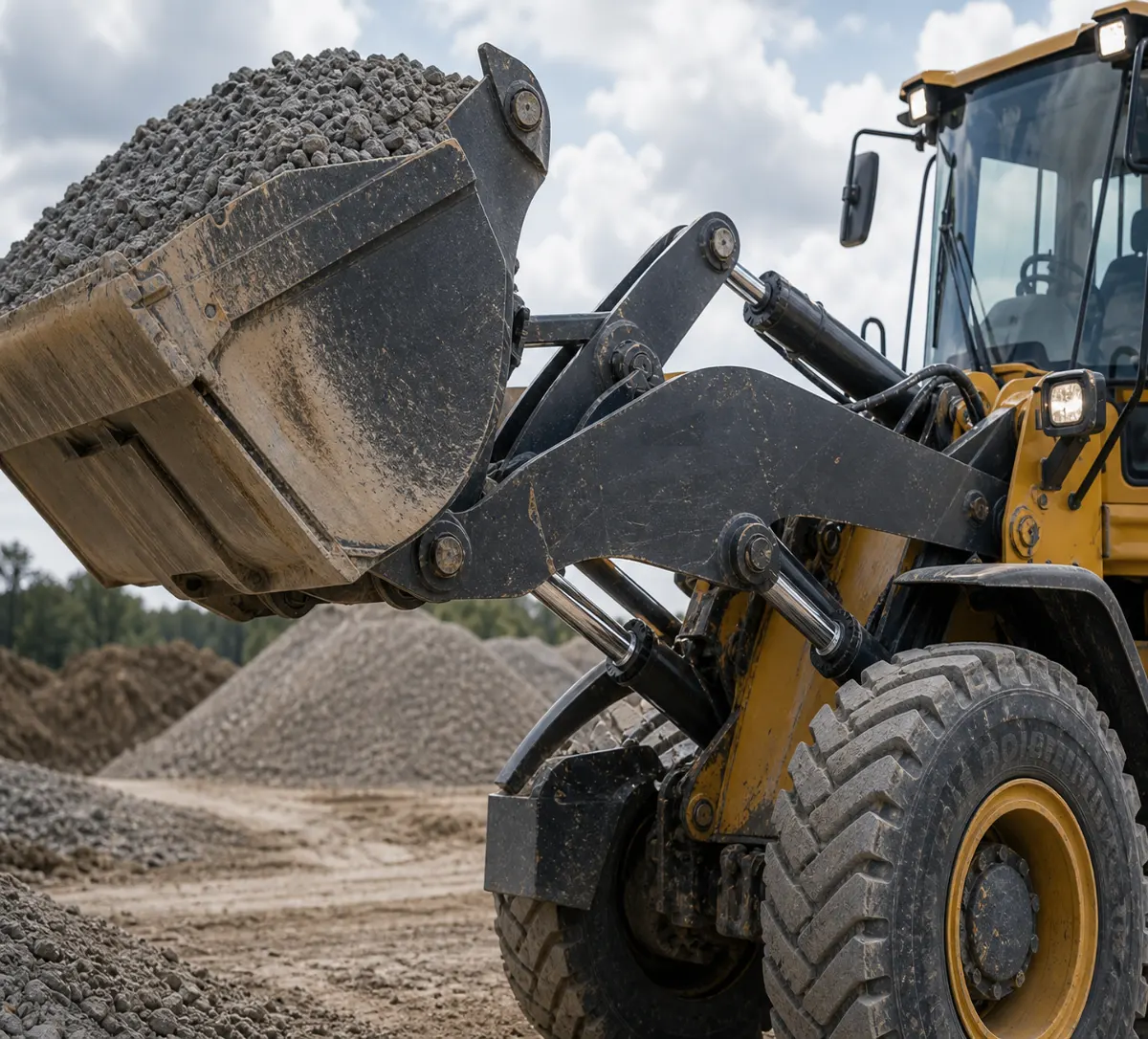
Loader Hydraulic Cylinders
Hydraulic cylinders for bucket lifting, tilting, steering, and loader working systems.

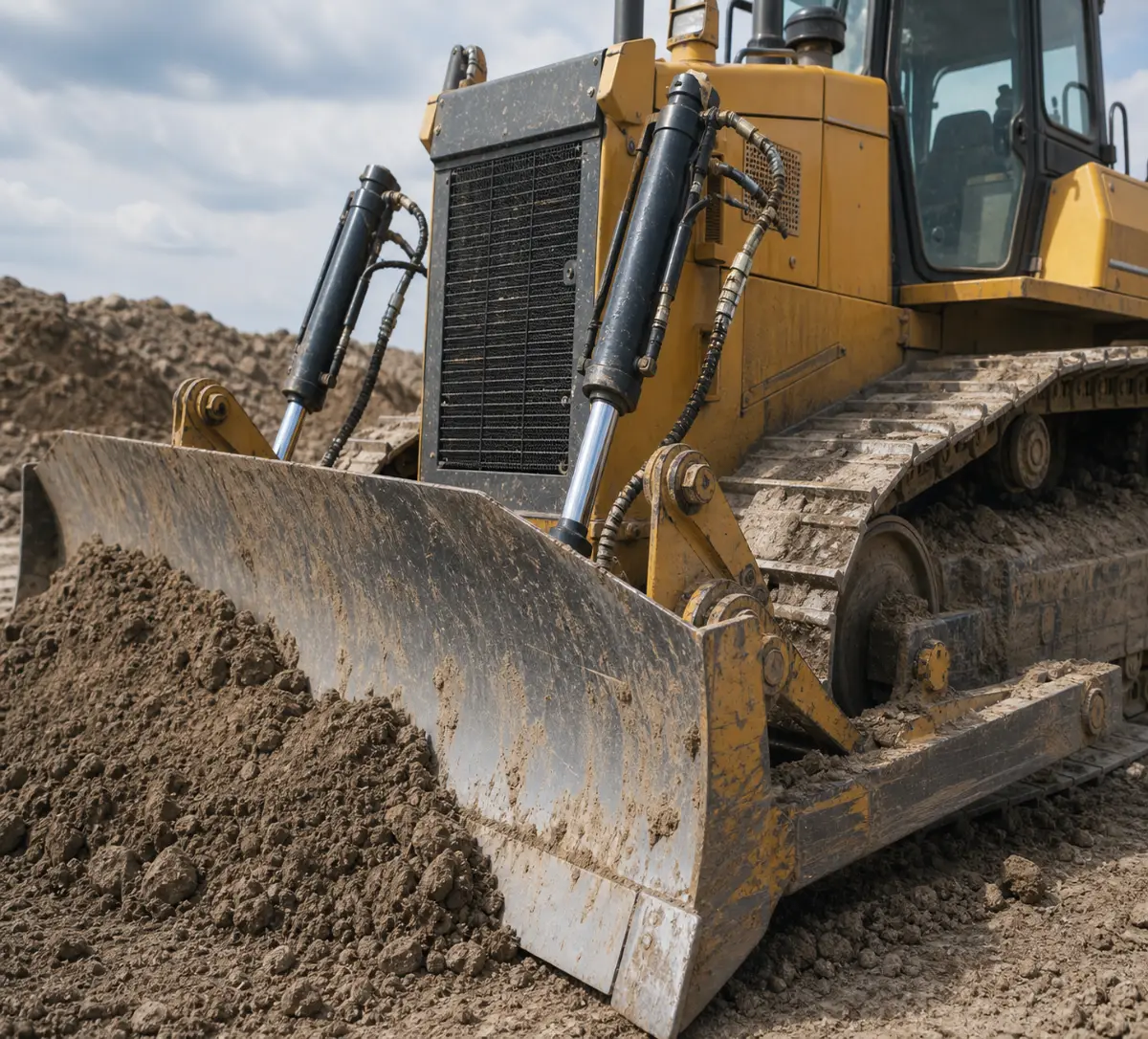
Bulldozer Hydraulic Cylinders
Custom cylinders for blade lifting, tilting, ripper control, and crawler equipment operation.

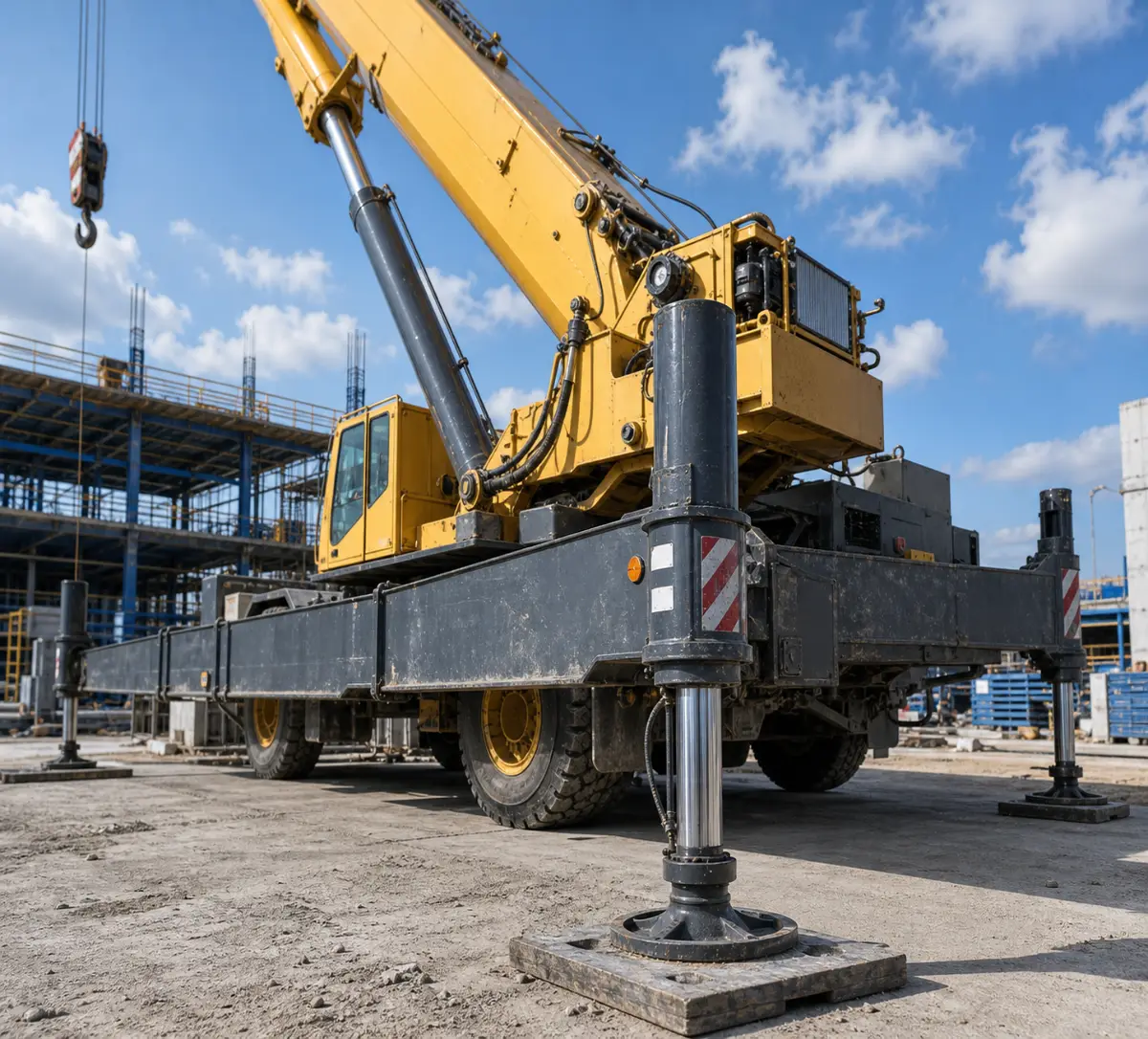
Crane Hydraulic Cylinders
Hydraulic cylinders for lifting, telescopic boom, outrigger, and positioning applications.

Construction Hydraulic Cylinders
Hydraulic cylinder solutions for excavators, loaders, bulldozers, cranes, and other construction machinery.
Frequently Asked Questions
Find answers to common questions about excavator hydraulic cylinder selection, replacement, leakage, custom manufacturing, and ordering requirements. This section helps buyers reduce fitment errors, avoid premature failure, and confirm the correct cylinder specification before production.
1. What hydraulic cylinders are used in an excavator?
Excavators usually use several hydraulic cylinders, including boom cylinders, arm cylinders, bucket cylinders, blade cylinders, swing cylinders, and attachment cylinders. Each excavator hydraulic cylinder controls a different movement and works under different load, stroke, pressure, and mounting conditions. For replacement or OEM production, buyers should confirm the cylinder position first, because a boom cylinder, arm cylinder, and bucket cylinder may look similar but require different bore sizes, rod diameters, stroke lengths, pin dimensions, and sealing structures.
2. How do I choose the right replacement hydraulic cylinder for an excavator?
To choose the right replacement excavator hydraulic cylinder, buyers should check the bore diameter, rod diameter, stroke length, closed length, mounting type, pin hole size, port position, working pressure, and excavator model. If the original part number is not available, clear photos, old cylinder samples, or a measurement sheet can help confirm the design. A common mistake is only matching the stroke length while ignoring mounting width, port direction, or rod size, which may cause installation failure, weak movement, oil leakage, or early cylinder damage after replacement.
3. Why does an excavator hydraulic cylinder leak oil?
Oil leakage from an excavator hydraulic cylinder is often caused by worn seals, scratched piston rods, poor seal material selection, contaminated hydraulic oil, rod corrosion, incorrect assembly, or excessive working pressure. For outdoor construction equipment, mud, dust, impact, and unstable maintenance conditions can also accelerate seal wear. If leakage is ignored, the excavator may lose lifting force, move slowly, waste hydraulic oil, and increase downtime. ZHY Hydraulic helps reduce this risk through suitable seal selection, rod surface treatment, machining accuracy control, assembly inspection, and pressure testing before shipment.
4. Should I repair or replace an excavator hydraulic cylinder?
Repair may be suitable when the problem is limited to seals, minor leakage, or replaceable wear parts. Replacement is usually a better choice when the cylinder rod is badly scratched or bent, the barrel is damaged, the mounting structure is worn, the cylinder has repeated leakage, or the repair cost is close to the price of a new cylinder. For fleet owners, distributors, and repair buyers, the decision should consider downtime, machine age, part availability, repair reliability, and future maintenance cost. If the cylinder is difficult to source locally, custom replacement production based on drawings or samples can be a practical option.
5. Can ZHY Hydraulic manufacture custom excavator hydraulic cylinders?
Yes. ZHY Hydraulic can manufacture custom excavator hydraulic cylinders for equipment manufacturers, repair buyers, distributors, and project contractors. Custom options can include bore size, stroke length, rod diameter, mounting structure, pin size, port type, seal system, working pressure, rod coating, surface treatment, and packing method. If you have drawings, samples, photos, or technical parameters, ZHY Hydraulic can help confirm whether the cylinder design matches the excavator’s working position and load requirements before production.
6. What information should I provide when ordering excavator hydraulic cylinders?
Before ordering excavator hydraulic cylinders, buyers should provide the excavator model, cylinder position, drawing or sample, bore diameter, rod diameter, stroke length, retracted length, extended length, pin hole diameter, mounting width, port size, port direction, working pressure, quantity, and application environment. If some data is missing, photos from different angles and manual measurements are still useful. The more accurate the information is, the lower the risk of wrong fitment, production delay, installation problems, or unnecessary modification after delivery.
7. What causes weak lifting or slow movement in an excavator hydraulic cylinder?
Weak lifting or slow movement may be related to internal leakage, piston seal failure, wrong bore size, insufficient system pressure, worn hydraulic components, contaminated oil, or an overloaded working condition. Sometimes the cylinder itself is not the only problem, so buyers should check both the hydraulic cylinder and the machine’s hydraulic system. For new or replacement cylinders, the bore size, rod diameter, seal structure, and pressure rating should be confirmed carefully. If the cylinder is undersized or poorly matched, the excavator may lose power, work slowly, and experience shorter service life.
Need Excavator Hydraulic Cylinders for Replacement or OEM Production?
Send your drawing, sample photos, machine model, or key cylinder dimensions. ZHY Hydraulic can help confirm the structure, working pressure, mounting size, and custom production requirements before quotation.
Tell us your excavator model, cylinder position, bore, stroke, rod diameter, and mounting dimensions. Our team will help review the details and provide a practical custom cylinder solution.