What Are Hydraulic Cylinders and Hydraulic Rams?
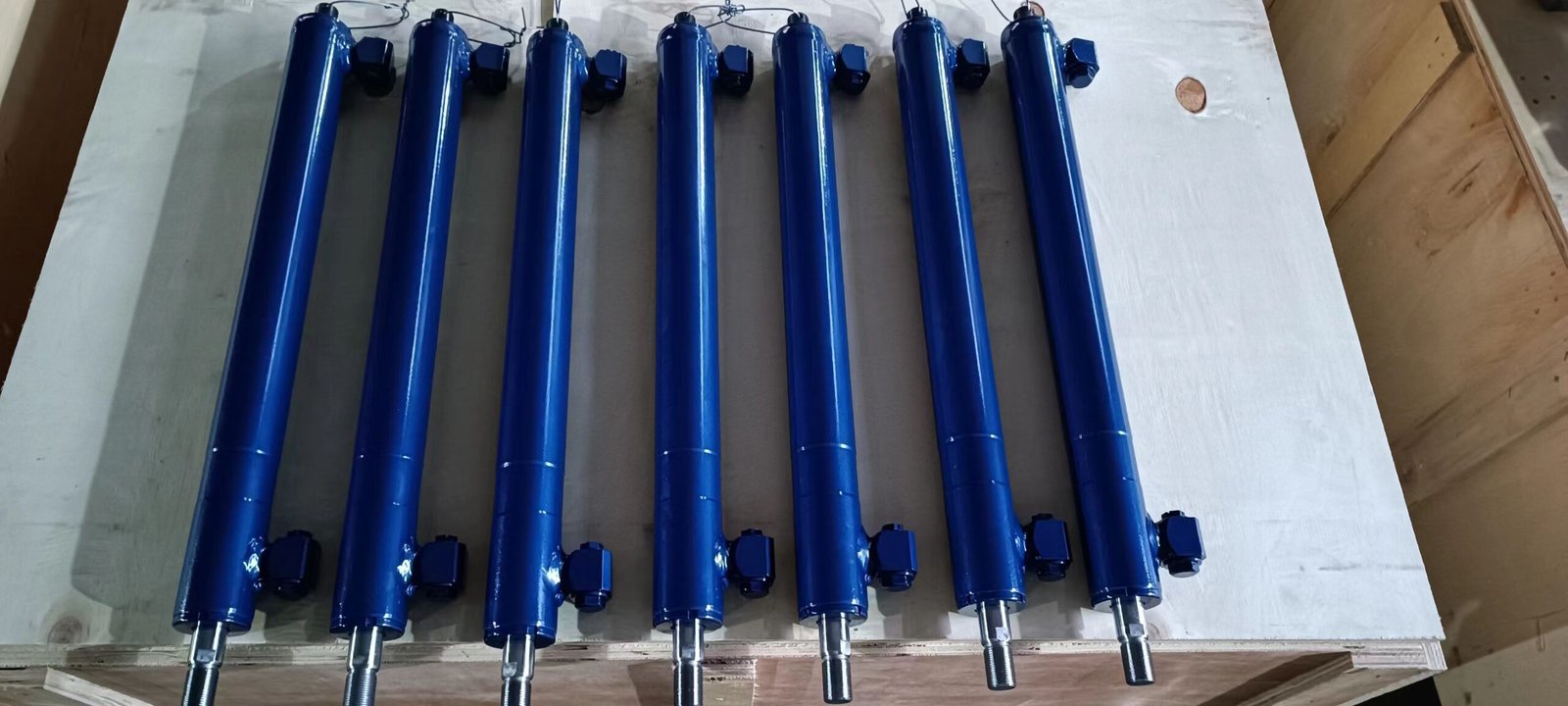
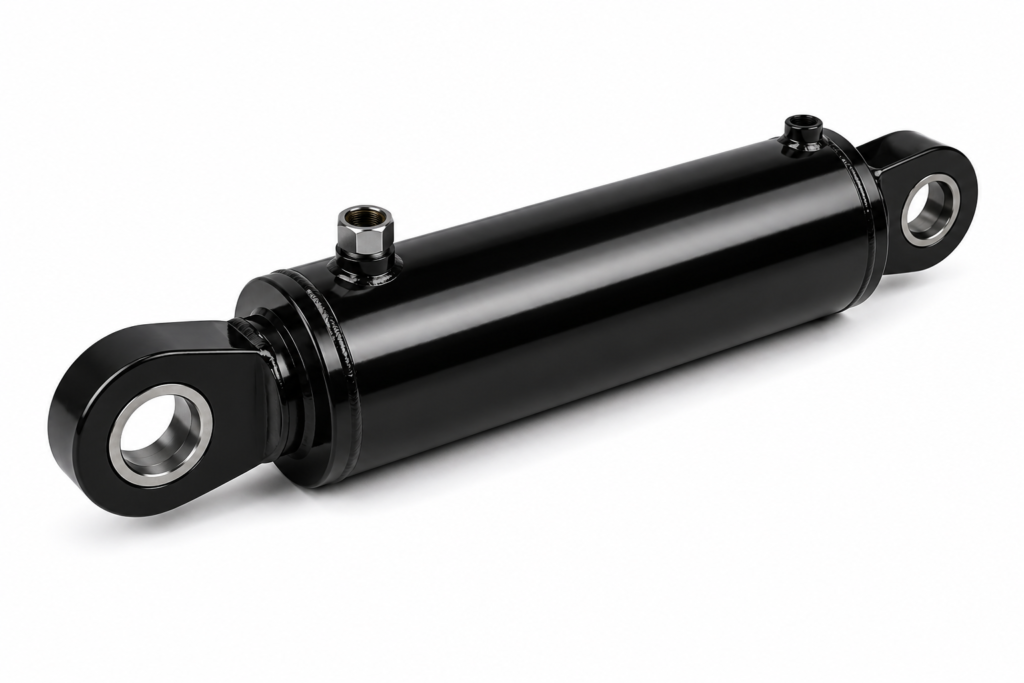
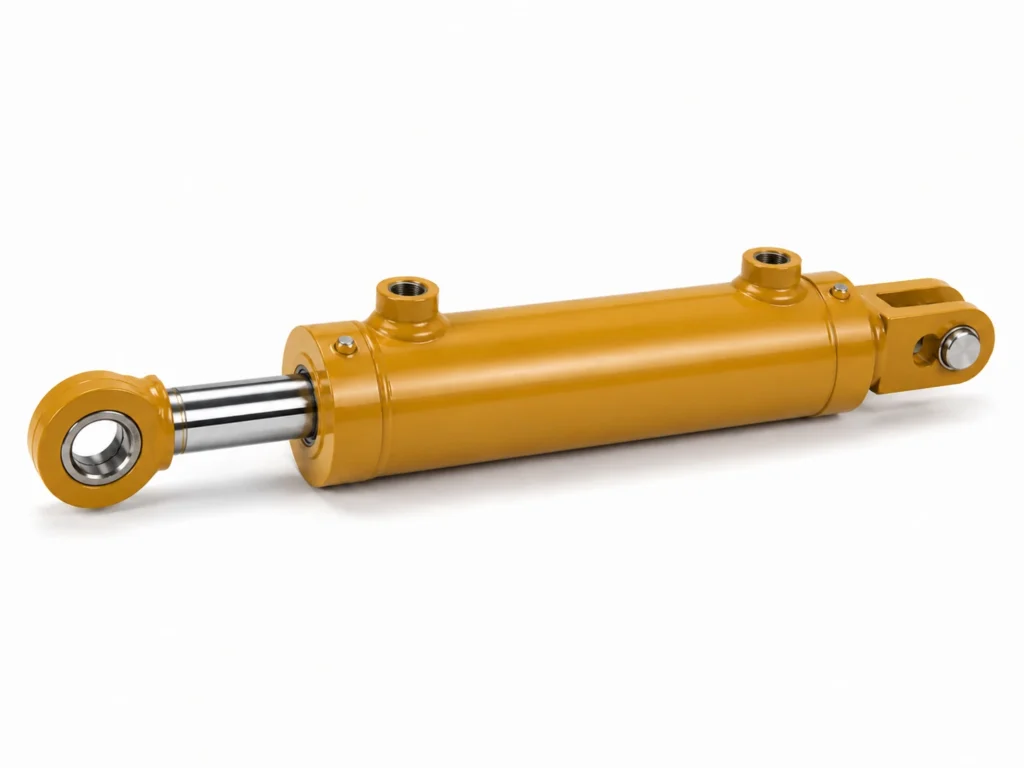
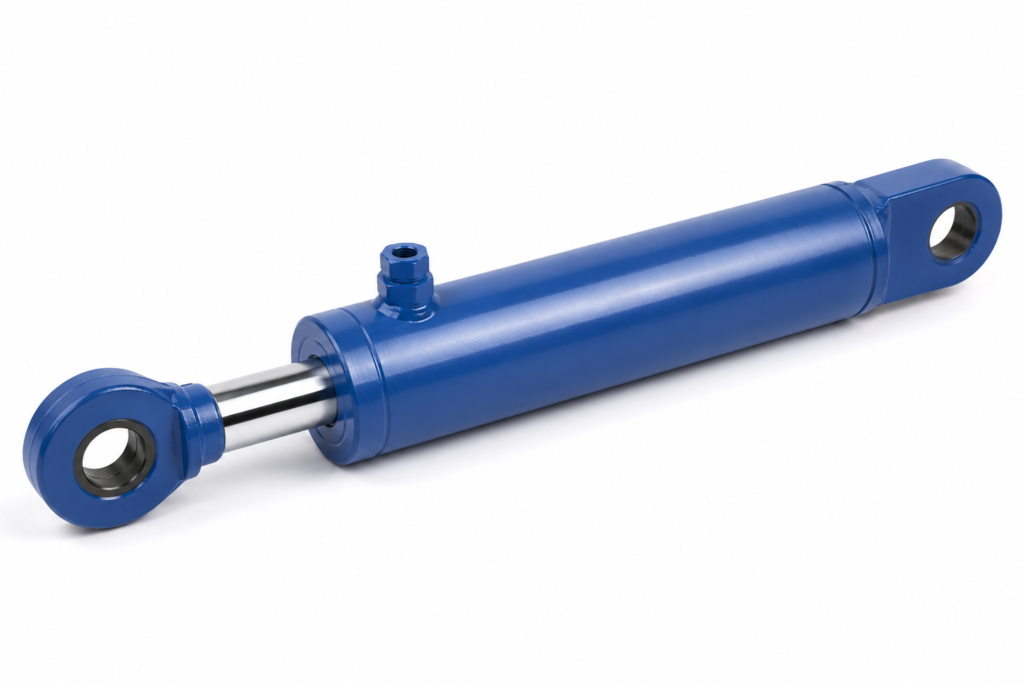
A hydraulic cylinder is a mechanical actuator that uses pressurized hydraulic fluid to create straight-line force and motion. In simple words, it turns fluid pressure into controlled mechanical power. That is why hydraulic cylinders are widely used in excavators, dump trucks, tractors, presses, lifting tables, forklifts, mining machines, agricultural implements, and industrial automation systems.
A hydraulic ram usually refers to the same general product, especially in everyday industrial language. In some markets, “hydraulic ram” is used more often for single-acting cylinders or simple lifting cylinders. In many buyer conversations, however, hydraulic cylinder, hydraulic ram, hyd cylinder, hydro cylinder, hydraulic ram cylinder, and hydraulic oil cylinder may all refer to similar equipment.
For purchasing teams, this naming issue matters. A buyer may ask for a hydraulic ram, while the machine actually needs a double-acting hydraulic cylinder with specific bore, stroke, rod diameter, mounting type, and seal requirements. If the supplier only follows the wording without checking the working condition, the delivered cylinder may fit the name but fail the job. That is the kind of mistake that turns a simple purchase into a production headache.
Why Different Names Often Mean the Same Product
Different industries use different terms. Construction buyers often say hydraulic ram. Manufacturing engineers often say hydraulic cylinder. Maintenance teams may say oil cylinder, hyd cylinder, or cylinder ram. Export buyers may use several terms in the same inquiry because they are translating from local technical language.
The safest way is not to argue about the name. The safest way is to confirm the operating conditions. A professional hydraulic cylinder supplier should ask about load, pressure, stroke length, speed, mounting, working temperature, duty cycle, environment, and replacement drawing before quoting.
Why Buyers Should Understand the Difference Before Ordering
A hydraulic cylinder is not just a metal tube with a rod. It is part of a hydraulic system. If the bore is too small, the cylinder may not generate enough force. If the rod is too weak, it may bend under side load. If the seal material is wrong, leakage may appear early. If the mounting style is incorrect, installation becomes difficult or unsafe.
For B2B buyers, the best cylinder is not always the cheapest one. The best cylinder is the one that fits the machine, survives the environment, and keeps the equipment running with fewer failures.
How Do Hydraulic Cylinders Work?
Hydraulic cylinders work based on a simple principle: fluid under pressure transfers force. When hydraulic oil enters the cylinder chamber, it pushes against the piston. The piston is connected to the piston rod, so the rod extends or retracts in a straight line.
In a single-acting cylinder, hydraulic pressure usually moves the rod in one direction, while gravity, spring force, or external load returns it. In a double-acting cylinder, hydraulic pressure controls both extension and retraction. This gives the operator more control and makes double-acting cylinders more suitable for industrial machinery, construction equipment, and automation systems.
The Basic Working Principle
The hydraulic pump sends pressurized oil into the cylinder. The oil enters through a port and fills one chamber. Pressure builds against the piston area. Because the fluid cannot be compressed easily, the piston moves. The piston rod then transfers that motion to the machine.
When oil enters the cap end, the rod usually extends. When oil enters the rod end, the rod retracts. Directional control valves manage which chamber receives oil. Seals prevent internal leakage and external leakage, while wipers keep dirt away from the rod surface.
Why Bore Size, Pressure, and Stroke Matter
Three specifications affect performance more than most buyers realize: bore size, working pressure, and stroke length.
Bore size affects force. A larger bore means a larger piston area, which can produce more force at the same pressure. Working pressure affects how much power the hydraulic system can provide. Stroke length determines how far the rod moves.
If X → choose Y logic is simple here:
If the equipment cannot lift enough weight, review bore size and system pressure.
If the cylinder reaches the end before the machine completes movement, review stroke length.
If the rod bends or seals wear unevenly, review side load, rod diameter, and mounting alignment.
If leakage appears early, review seal material, surface finish, contamination control, and working temperature.
Main Components of a Hydraulic Cylinder
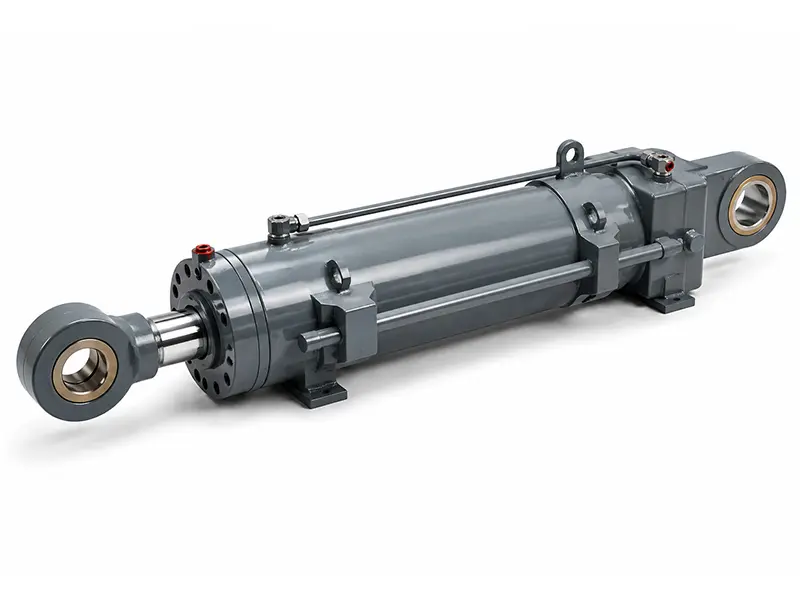
A hydraulic cylinder looks simple from the outside, but several components must work together precisely.
| Component | Main Function | Buyer Concern |
|---|---|---|
| Cylinder barrel | Holds pressure and guides the piston | Inner surface quality, wall strength, corrosion resistance |
| Piston | Separates oil chambers and transfers force | Seal fit, machining accuracy, pressure stability |
| Piston rod | Transfers motion to the machine | Rod diameter, chrome plating, hardness, straightness |
| Seals | Prevent leakage and contamination | Material compatibility, temperature resistance, wear life |
| Wiper | Removes dirt from rod surface | Critical for dusty, muddy, outdoor environments |
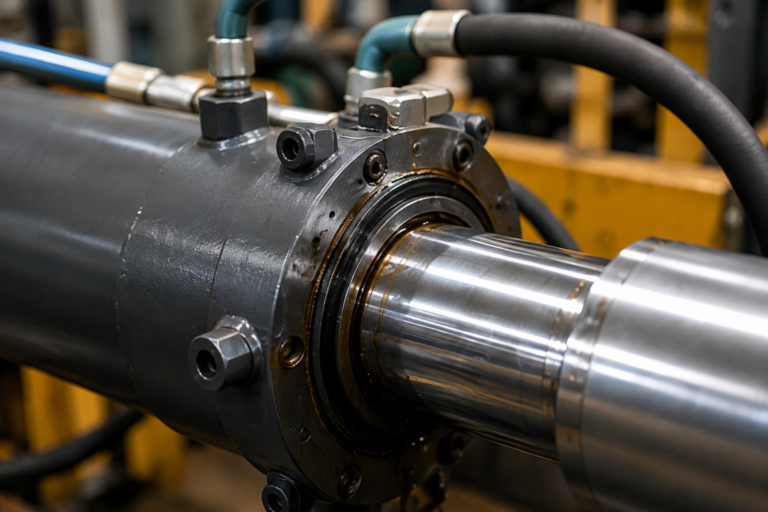
| End caps | Close the cylinder and support ports/mounting | Strength, sealing, bolt security, port position |
| Mounting parts | Connect cylinder to machine | Alignment, load direction, installation space |
Cylinder Barrel
The cylinder barrel is the pressure body of the hydraulic cylinder. It must withstand internal pressure while allowing the piston to move smoothly. A poor-quality barrel can cause seal wear, internal leakage, unstable motion, and shorter cylinder life.
For heavy-duty construction or agricultural use, the barrel should be strong enough for high load and harsh working conditions. For industrial automation, the inner surface finish and dimensional accuracy become even more important because small movement errors can affect production quality.
Piston and Piston Seals
The piston divides the cylinder into chambers. Piston seals prevent oil from bypassing from one side to the other. If the piston seal wears out, the cylinder may still move, but it may lose force, drift under load, or move slowly.
This is a common hidden failure. Buyers often think the entire cylinder is “weak,” but the real issue may be internal leakage caused by worn piston seals. Replacing seals early is much cheaper than replacing a full cylinder or stopping a machine line.
Piston Rod
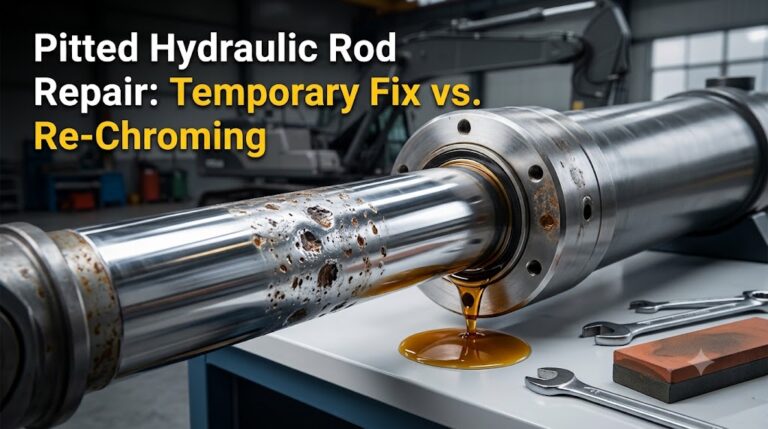
The piston rod is exposed to load, contamination, weather, impact, and friction. It must be strong, straight, and properly finished. Chrome plating or other surface treatment helps resist corrosion and reduce seal wear.
Rod damage is serious. Scratches, dents, rust, and bending can quickly destroy rod seals. Once the rod surface becomes rough, every movement becomes a small knife against the seal. The result is leakage, contamination, and downtime.
Rod Seals, Wipers, and O-Rings
Seals are small parts with big consequences. The wrong seal material can fail quickly in high temperature, low temperature, chemical exposure, or high-speed operation. Wipers are especially important in construction, mining, agriculture, waste handling, and outdoor equipment because they stop dust, sand, mud, and water from entering the cylinder.
Industry maintenance sources often point to contamination as one of the most common causes of hydraulic system failure, with contamination estimates frequently ranging from 65% to 90% depending on operating conditions and source methodology. This is why seal quality, wiper design, oil cleanliness, and routine inspection matter so much.
End Caps and Ports
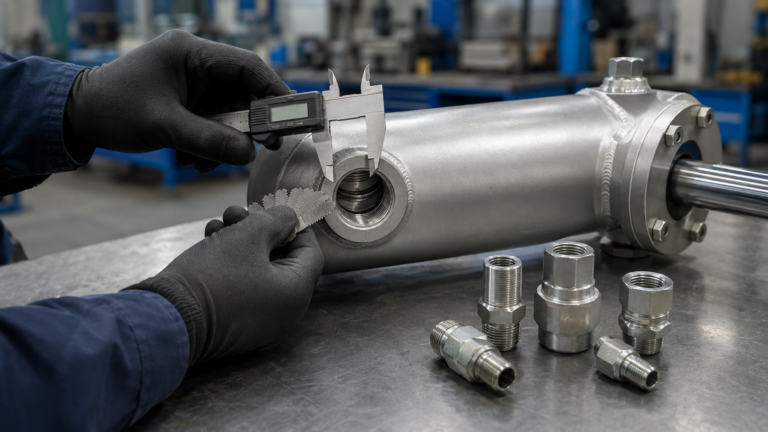
End caps close the cylinder and provide connection points for hydraulic oil ports. Poor port design can restrict flow. Loose end cap bolts may cause leakage. Incorrect port direction can complicate installation. Buyers should confirm port size, thread type, port position, and mounting arrangement before production.
Common Types of Hydraulic Cylinders
Hydraulic cylinders are not one-size-fits-all. Different designs serve different equipment needs.
| Cylinder Type | Best For | Main Advantage | Main Risk If Chosen Wrong |
|---|---|---|---|
| Single-acting cylinder | One-way lifting or pushing | Simple, cost-effective, easy to maintain | Poor control during return movement |
| Double-acting cylinder | Controlled push and pull | Precise two-way movement | More hydraulic circuit requirements |
| Telescopic cylinder | Long stroke in limited space | Compact retracted length | Higher seal maintenance requirement |
| Plunger cylinder | Heavy lifting and pressing | Strong, simple structure | Limited control and application range |
| Custom cylinder | Special machines or replacement | Fits exact machine requirement | Needs accurate drawings and specs |
Single-Acting Hydraulic Cylinders
Single-acting cylinders use hydraulic pressure in one direction. Retraction depends on gravity, spring force, or external load. These cylinders are common in dump trailers, lifting platforms, jacks, agricultural implements, and simple lifting systems.
Choose single-acting cylinders when the work only needs powered movement in one direction. They are usually easier to maintain and more economical than double-acting cylinders. However, they are not ideal when the return movement must be controlled precisely.
Double-Acting Hydraulic Cylinders
Double-acting cylinders use hydraulic pressure for both extension and retraction. This makes them suitable for excavator arms, hydraulic presses, loaders, industrial automation equipment, steering systems, and material handling machines.
Choose double-acting cylinders when the machine needs force and control in both directions. They are usually the better option for heavy-duty equipment, production lines, and machinery that requires repeatable movement.
Telescopic Hydraulic Cylinders
Telescopic cylinders use multiple stages that extend one after another. They are ideal when the machine needs a long stroke but has limited installation space. Dump trucks, trailers, cranes, forklifts, and lifting systems often use telescopic cylinders.
The benefit is compact design. The risk is maintenance. More stages mean more sealing points. In dusty or muddy environments, telescopic cylinders need stronger wipers and better maintenance routines.
Plunger Hydraulic Cylinders
Plunger cylinders use a solid plunger rather than a conventional piston design. They are often used for heavy lifting and pressing where the direction of force is simple and powerful.
Choose plunger cylinders for heavy-duty vertical lifting or pressing applications. Do not choose them if the application needs controlled two-way movement or compact installation.
Custom Hydraulic Cylinders
Custom cylinders are used when standard models cannot fit the machine. This may involve special bore size, rod diameter, stroke length, mounting style, port position, working pressure, seal material, surface coating, or drawing-based replacement.
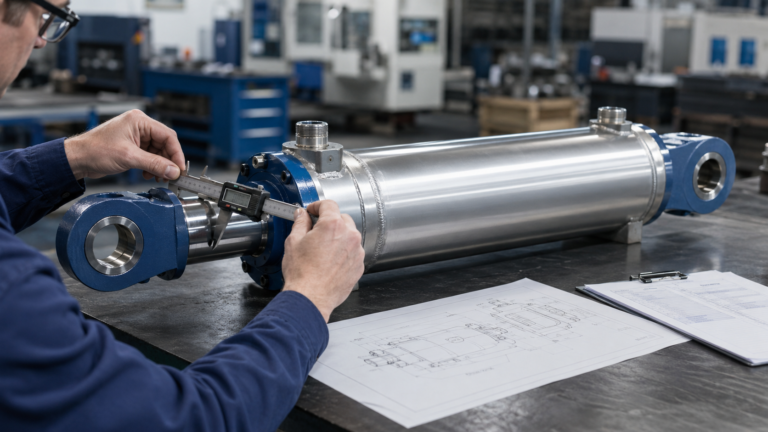
For OEM buyers, custom hydraulic cylinders can reduce installation issues and improve equipment reliability. But customization requires accurate technical communication. A vague inquiry such as “send price for 100 hydraulic cylinders” is not enough. The supplier needs drawings, working pressure, load data, mounting dimensions, and operating environment.
Hydraulic Cylinder Selection Guide
The easiest way to choose a cylinder is to start from the job, not the product name.
| Buyer Situation | Recommended Choice | Why |
|---|---|---|
| Need to lift a dump bed or farm implement | Single-acting hydraulic ram | Simple one-way force is enough |
| Need controlled extension and retraction | Double-acting hydraulic cylinder | Better control and repeatability |
| Need long extension but short installation length | Telescopic hydraulic cylinder | Long stroke in compact space |
| Need replacement for imported equipment | Drawing-based custom cylinder | Ensures fit and performance |
| Working in dust, mud, or outdoor conditions | Heavy-duty seals and wipers | Reduces contamination and leakage |
| Working under high temperature | Heat-resistant seals | Prevents early seal hardening and leakage |
| Exporting for OEM production | Stable supplier with QC documents | Reduces batch inconsistency |
For buyers who already know the required bore size, stroke length, mounting style, or working pressure, reviewing ZHY’s hydraulic cylinder solutions can make the next step easier. It allows engineering teams to compare standard and custom options before confirming drawings, samples, or bulk requirements.
If You Need One-Way Lifting, Choose Single-Acting
For simple lifting, a single-acting hydraulic ram is usually practical. It reduces cost and system complexity. However, make sure the load or spring force can return the rod safely.
If You Need Controlled Push and Pull, Choose Double-Acting
If the machine must push and pull with accuracy, choose double-acting. This is common in industrial production, construction machinery, and automated equipment.
If You Need Long Stroke in Limited Space, Choose Telescopic
If the equipment cannot fit a long standard cylinder but still needs long movement, choose telescopic. Pay attention to seal quality and maintenance.
If Standard Sizes Do Not Fit, Choose Custom
If mounting dimensions, stroke, ports, or pressure do not match standard models, choose custom. For replacement projects, send drawings, photos, nameplate information, and working conditions.
Applications of Hydraulic Cylinders by Industry
Construction Machinery
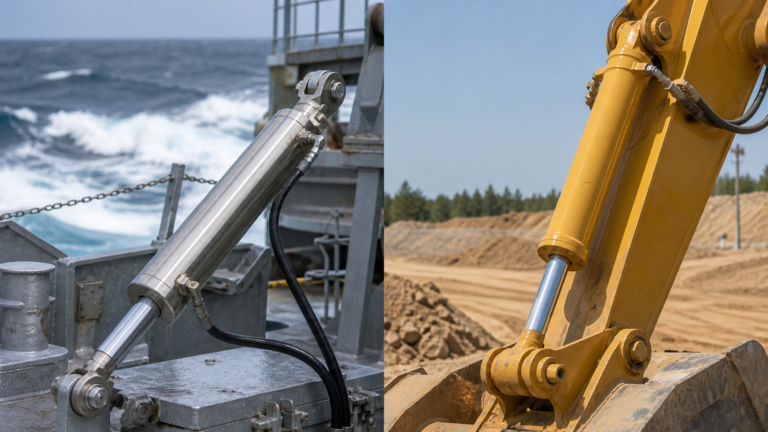
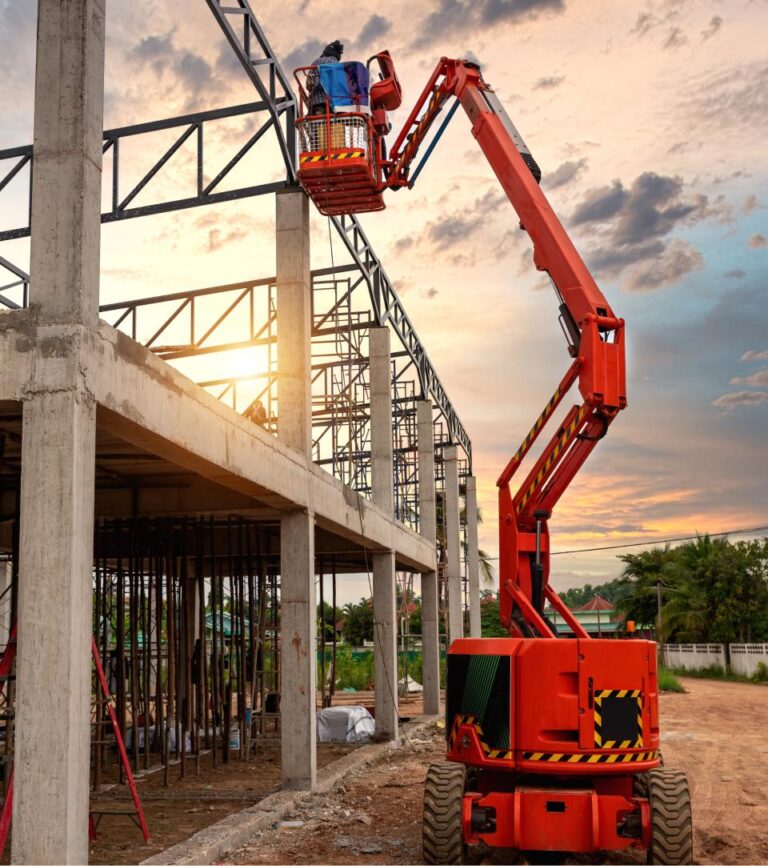
Hydraulic cylinders are essential in excavators, loaders, bulldozers, cranes, concrete pumps, drilling equipment, and road machinery. These applications usually involve high load, shock, dust, vibration, and outdoor exposure.
For construction machinery, buyers should focus on rod strength, seal durability, welding quality, surface treatment, and protection against contamination. A low-cost cylinder may look attractive, but if it leaks after several months, the machine downtime can cost far more than the saved purchase price.
Different machines require different cylinder structures, so application matching should always come before price comparison. Buyers can explore more real-world hydraulic cylinder applications to understand how cylinders are used across construction, agriculture, manufacturing, lifting equipment, and special machinery.
Agricultural Equipment
Hydraulic rams are used in tractors, harvesters, seeders, sprayers, balers, plows, and lifting attachments. Agriculture creates difficult working conditions: mud, moisture, dust, fertilizer exposure, seasonal pressure, and irregular maintenance.
For agricultural equipment, choose cylinders that are easy to maintain, corrosion-resistant, and suitable for outdoor use. If the equipment operates during harvest season, reliability becomes more important than small price differences.
Manufacturing and Automation
In manufacturing, hydraulic cylinders are used in presses, molds, clamping systems, forming machines, assembly lines, and material handling equipment. The focus is precision, repeatability, smooth motion, and predictable maintenance.
For production equipment, small movement errors can lead to product defects. Buyers should pay attention to machining accuracy, seal stability, pressure control, and supplier consistency.
Material Handling and Lifting Equipment
Forklifts, lifting tables, pallet handling systems, dock equipment, and special lifting devices often rely on hydraulic cylinders. Safety is critical because the cylinder may hold heavy loads above workers or goods.
For lifting equipment, buyers should check load capacity, pressure rating, safety factors, mounting strength, and maintenance instructions. OSHA’s lockout/tagout requirements emphasize controlling hazardous energy during servicing and maintenance, which is highly relevant when hydraulic systems may store pressure.
Vehicles and Special Equipment
Hydraulic cylinders are also used in garbage trucks, rescue equipment, trailers, mining vehicles, forestry machines, airport ground equipment, and special-purpose vehicles. These applications may need compact design, special coatings, low-temperature seals, or custom mounting.
Common Buyer Mistakes and Consequences
The most expensive hydraulic cylinder is not always the one with the highest unit price. Sometimes the most expensive cylinder is the wrong cylinder.
| Mistake | Consequence | Better Approach |
|---|---|---|
| Buying only by price | Early leakage, downtime, and replacement cost | Compare material, seals, pressure, QC |
| Ignoring the working environment | Seal failure, corrosion, contamination | Confirm dust, moisture, and temperature |
| Choosing the wrong stroke length | Machine movement incomplete | Measure the required travel accurately |
| Ignoring side load | Rod bending and seal damage | Improve alignment and mounting |
| No drawing for replacement | Wrong size, wrong port, installation failure | Provide drawing/photos/sample |
| Using weak seals in harsh environments | Leakage and short service life | Choose a suitable seal material |
| No supplier QC documents | Batch inconsistency | Ask for inspection and testing support |
Mistake 1: Treating All Hydraulic Cylinders as Standard Parts
Many buyers assume hydraulic cylinders are easy replacement parts. Some are. Many are not. Even small differences in mounting, stroke, rod diameter, port direction, or thread type can make installation difficult.
Mistake 2: Focusing Only on Bore and Stroke
Bore and stroke are important, but they are not enough. Buyers also need to confirm rod diameter, retracted length, extended length, mounting type, port size, working pressure, seal type, surface treatment, and operating environment.
Mistake 3: Ignoring Contamination Control
Dirt and water can destroy a hydraulic system quietly. Once contaminants enter the system, they damage seals, scratch surfaces, reduce efficiency, and increase heat. Better wipers, cleaner oil, and regular inspection are not “extra details.” They are downtime prevention.
Mistake 4: Choosing a Supplier Without Engineering Support
For B2B buyers, supplier communication matters. A good supplier should not only quote quickly but also ask the right questions. If a supplier never asks about pressure, load, stroke, environment, or drawings, the buyer should be careful.
Maintenance, Safety, and Compliance Considerations
Hydraulic cylinders work under pressure. That means maintenance is not just about saving money. It is also about safety.
ISO 4413 specifies general rules and safety requirements for hydraulic fluid power systems and components used on machinery. ISO 6020-2 establishes metric mounting dimensions for compact series single-rod cylinders rated 16MPa/160bar, helping interchangeability for commonly used hydraulic cylinders. These standards matter because B2B buyers often need equipment compatibility, safe design, and reliable replacement planning.
Basic maintenance should include checking hydraulic oil cleanliness, inspecting rod surfaces, checking for leakage, tightening mounting points, monitoring abnormal noise, and replacing worn seals before failure becomes serious.
A practical maintenance routine should include:
- Inspect rod surface for scratches, rust, and dents.
- Check around seals and ports for oil leakage.
- Keep the rod clean before retraction.
- Monitor cylinder speed and force changes.
- Replace contaminated oil and clogged filters.
- Confirm mounting pins and bolts are secure.
- Avoid welding, hammering, or modifying the rod without engineering review.
For maintenance teams, the simple rule is this: small leaks are early warnings, not decoration. A tiny leak today can become a machine stoppage tomorrow.
Market Trends: Why Hydraulic Cylinders Are Becoming Smarter
The hydraulic cylinder market is still growing because construction, agriculture, mining, manufacturing, automation, and material handling all need reliable linear force. Market research estimates the global hydraulic cylinder market at about USD 16.97 billion in 2025, with projected growth toward USD 24.73 billion by 2033, driven by automation and demand from manufacturing, construction, agriculture, and mining sectors.
But the market is not only growing in volume. It is also changing in quality. Buyers increasingly care about smarter maintenance, sensor-ready designs, better sealing systems, energy efficiency, and longer service life.
For OEM buyers, this means hydraulic cylinders are becoming more integrated into machine performance. For distributors, this means customers may ask more technical questions. For end users, this means the right supplier can help reduce maintenance cost and improve machine uptime.
Final Recommendation for B2B Buyers
If you are buying hydraulic cylinders for replacement, start with the existing cylinder drawing, photos, and machine model. Confirm bore, rod diameter, stroke, retracted length, mounting type, port size, working pressure, and operating environment.
If you are buying for OEM production, focus on consistency. Ask about material control, machining accuracy, welding quality, pressure testing, seal options, surface treatment, packaging, batch inspection, and documentation.
If your application is dusty, wet, hot, cold, high-load, or high-frequency, do not treat seals as minor accessories. Seal selection can decide whether the cylinder lasts for years or fails in months.
If you are unsure, work with a hydraulic cylinder manufacturer that can review your application before production. A reliable supplier should help you confirm the right structure, not just send a price list.
For buyers evaluating ZHY hydraulic cylinder solutions, the practical next step is to prepare your cylinder drawings, working pressure, application photos, order quantity, and any failure problems you are currently facing. This allows the supplier to recommend a standard or custom solution more accurately and avoid costly mismatches.
When evaluating a hydraulic cylinder supplier, buyers should look beyond the quotation and check engineering communication, production experience, testing process, and customization capability. Learning more about ZHY as an experienced hydraulic cylinder manufacturer can help procurement teams judge whether the supplier is suitable for long-term OEM or replacement projects.
FAQ
1. What is the difference between a hydraulic cylinder and a hydraulic ram?
A hydraulic cylinder and a hydraulic ram are often used to describe the same type of product: a hydraulic actuator that converts pressurized fluid into linear force. In some markets, “hydraulic ram” is used more often for single-acting cylinders or simple lifting applications, while “hydraulic cylinder” is the broader technical term. For purchasing, the name matters less than the specifications, including bore size, stroke length, rod diameter, mounting style, pressure rating, and working environment.
2. How do I choose the right hydraulic cylinder?
To choose the right hydraulic cylinder, start with the application instead of the product name. Confirm the required force, stroke length, operating pressure, movement direction, installation space, mounting type, speed, duty cycle, and environment. Use single-acting cylinders for simple one-way lifting, double-acting cylinders for controlled push-and-pull motion, telescopic cylinders for long stroke in limited space, and custom cylinders when standard dimensions do not fit the machine.
3. What causes hydraulic cylinder leakage?
Hydraulic cylinder leakage is commonly caused by worn seals, scratched piston rods, contaminated hydraulic oil, damaged barrel surfaces, loose end caps, wrong seal material, or excessive pressure. In dusty or outdoor environments, weak wipers allow dirt to enter the cylinder and damage the sealing system. Regular inspection, clean hydraulic oil, suitable seal material, and proper rod surface protection can greatly reduce leakage risk.
4. How long should a hydraulic cylinder last?
The service life of a hydraulic cylinder depends on load, pressure, working environment, maintenance quality, seal material, rod surface condition, and manufacturing quality. A well-selected and well-maintained cylinder can work for many years, while a poorly matched cylinder may leak or fail quickly. Buyers should not judge cylinder value only by purchase price; downtime, replacement labor, oil loss, and machine stoppage often cost more than the cylinder itself.
5. Can hydraulic cylinders be customized for OEM equipment?
Yes, hydraulic cylinders can be customized for OEM equipment, replacement projects, and special working conditions. Custom options may include bore size, rod diameter, stroke length, mounting style, port position, seal material, surface coating, pressure rating, and overall dimensions. For accurate customization, buyers should provide drawings, photos, samples, working pressure, load requirements, application details, and expected order quantity.
References
- Hydraulic Fluid Power — General Rules and Safety Requirements for Systems and Components
Author: International Organization for Standardization
Institution / Source: ISO
Publication / Platform: ISO 4413 Standard - Hydraulic Fluid Power — Mounting Dimensions for Single Rod Cylinders, 16 MPa Series
Author: International Organization for Standardization
Institution / Source: ISO
Publication / Platform: ISO 6020-2 Standard - The Control of Hazardous Energy
Author: Occupational Safety and Health Administration
Institution / Source: OSHA
Publication / Platform: OSHA Standard 29 CFR 1910.147 - Avoiding Contamination in Hydraulic Systems
Author: Fluid Power Journal Editorial Team
Institution / Source: Fluid Power Journal
Publication / Platform: Fluid Power Journal - Hydraulic Cylinder Market Size, Share & Trends Analysis
Author: Grand View Research
Institution / Source: Grand View Research
Publication / Platform: Industry Market Report - Avoid Hydraulic Fluid Contamination
Author: Hydraulic Cylinders Inc. Editorial Team
Institution / Source: Hydraulic Cylinders Inc.
Publication / Platform: Technical Blog - What Are the Most Common Causes of Hydraulic Cylinder Failures?
Author: Fluid Power World Editorial Team
Institution / Source: Fluid Power World
Publication / Platform: Engineering Article - Preventing Fluid Contamination in Hydraulic Cylinders
Author: Aggressive Hydraulics Editorial Team
Institution / Source: Aggressive Hydraulics
Publication / Platform: Technical Resource
If you are replacing an existing cylinder or planning a custom hydraulic cylinder project, prepare your drawings, photos, working pressure, stroke length, mounting details, and application conditions first. You can then send your hydraulic cylinder requirements for a more accurate recommendation instead of relying on guesswork.