OEM vs Aftermarket Hydraulic Cylinders: Cost, Fit, Lead Time, and Risk
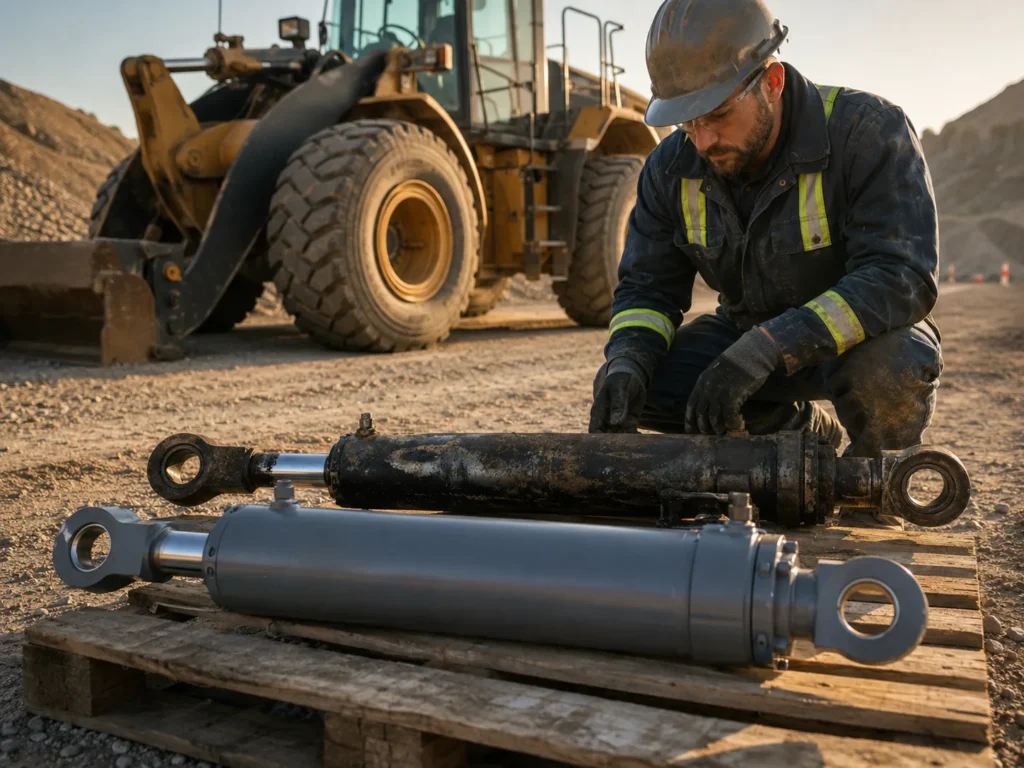
Quick Summary: OEM vs aftermarket hydraulic cylinders is a sourcing comparison that weighs original factory parts against replacement or custom-built cylinders, used for repairing mobile equipment, presses, lifts, and industrial machinery. The best aftermarket hydraulic cylinder is not simply cheaper; it must match mounting geometry, pressure class, stroke, ports, seals, and delivery urgency. When the […]
Welded vs Tie Rod Hydraulic Cylinder: Strength, Maintenance, and OEM Selection
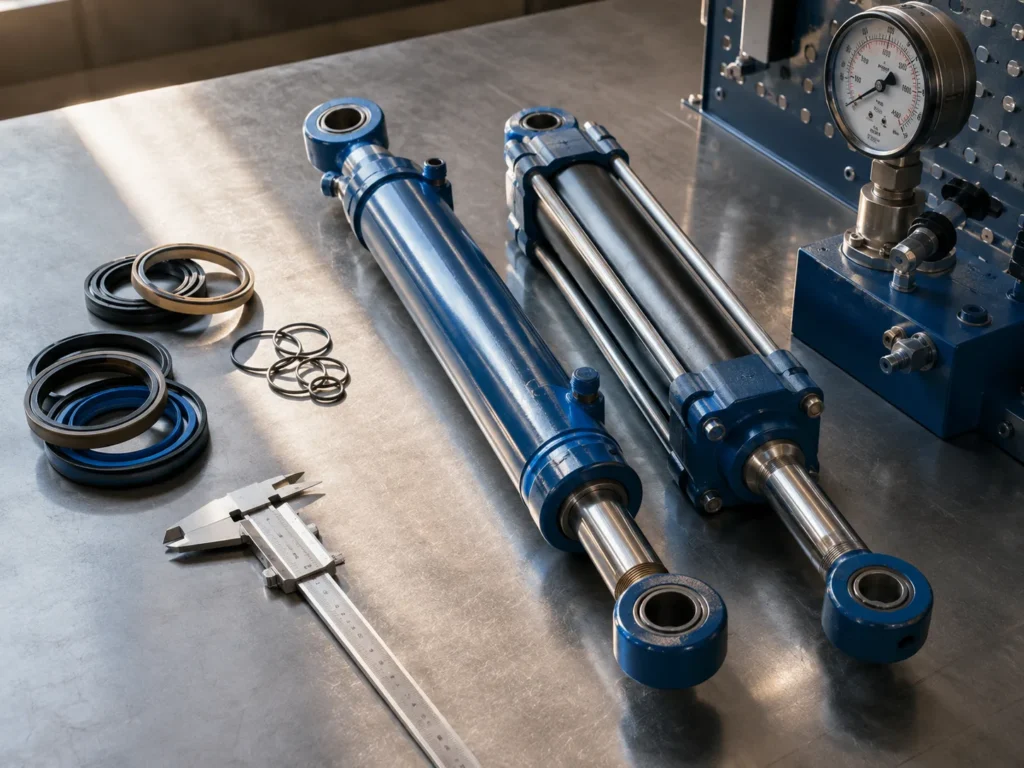
Quick Summary: welded vs tie rod hydraulic cylinder is a construction comparison that separates compact welded-body cylinders from serviceable bolted tie-rod cylinders, used for OEM motion control in mobile and industrial equipment. Choose welded for shock-loaded, space-limited machines; choose tie rod for standard factory equipment where fast seal service and dimensional interchangeability matter. Which cylinder […]
Custom vs Standard Hydraulic Cylinders: How to Decide Before Ordering
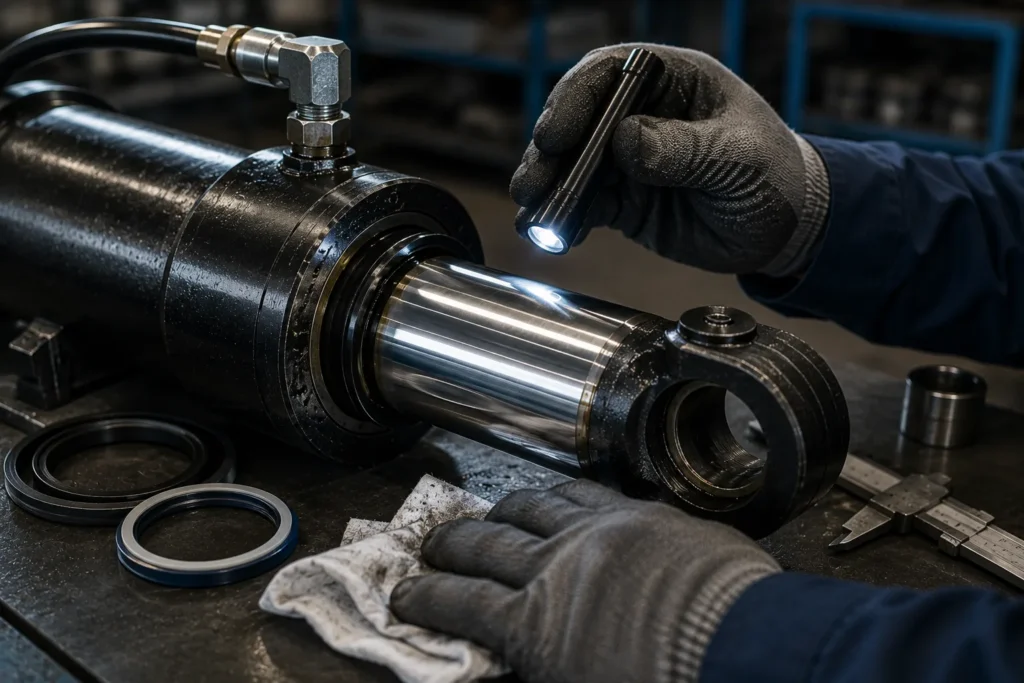
Quick Summary: A hydraulic cylinder is a linear actuator that converts fluid pressure into controlled push or pull force, used for lifting, clamping, steering, and positioning equipment. The custom hydraulic cylinder vs standard decision should be made before ordering: use catalog units when dimensions and duty match; choose an OEM hydraulic cylinder or custom design […]
Hydraulic Cylinder Types Explained for OEM and Replacement Buyers
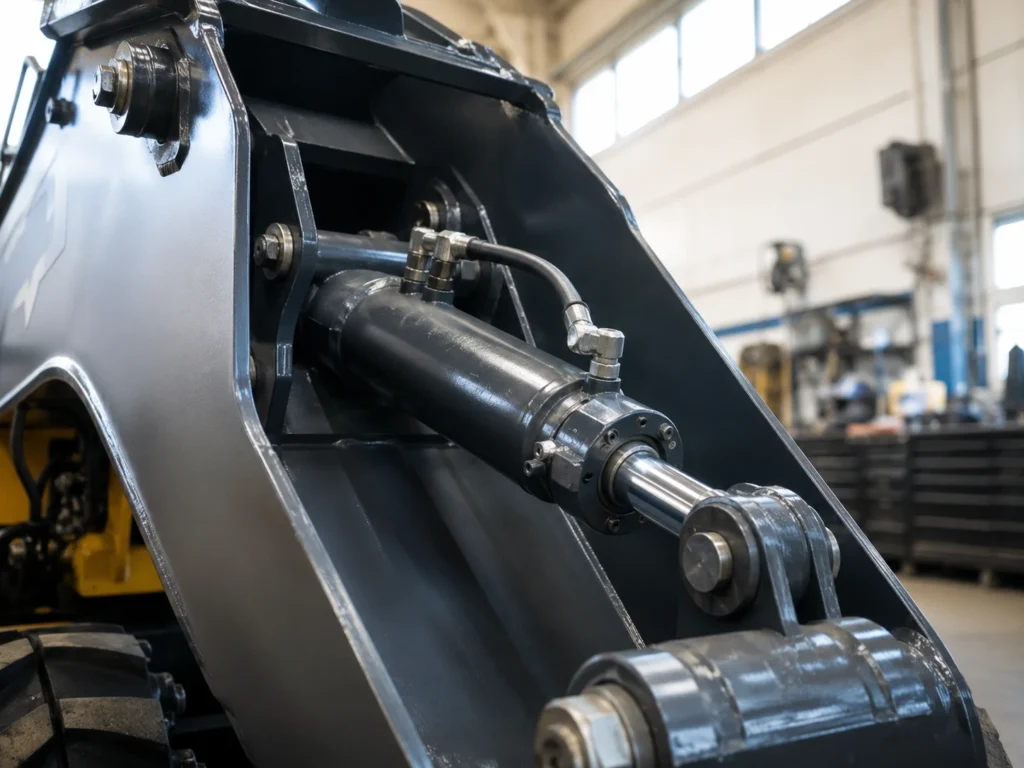
Compare hydraulic cylinder types for OEM and replacement buying. Learn when to choose single acting, double acting, telescopic, welded, or tie rod designs with less risk.