Custom vs Standard Hydraulic Cylinders: How to Decide Before Ordering
Quick Summary: A hydraulic cylinder is a linear actuator that converts fluid pressure into controlled push or pull force, used for lifting, clamping, steering, and
Quick Summary: A hydraulic cylinder is a linear actuator that converts fluid pressure into controlled push or pull force, used for lifting, clamping, steering, and
Learn single acting hydraulic cylinder working, common uses, return methods, selection risks, and when to choose single acting or double acting cylinders.
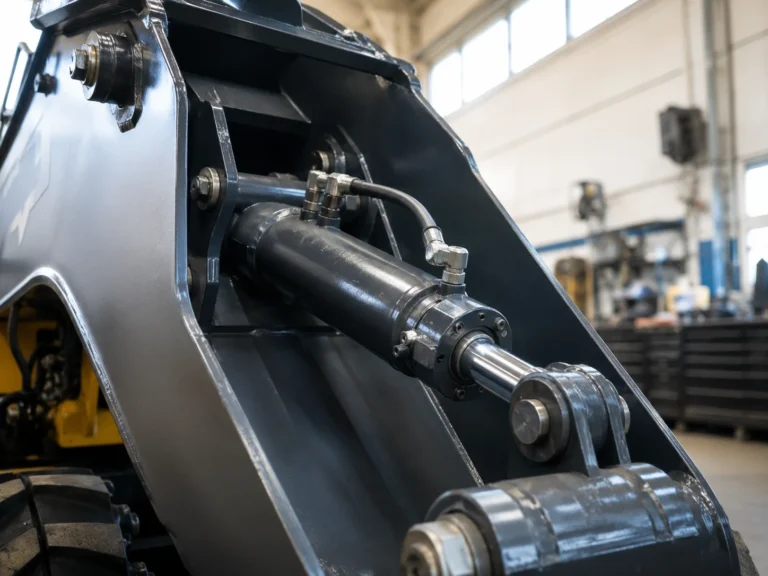
Compare hydraulic cylinder types for OEM and replacement buying. Learn when to choose single acting, double acting, telescopic, welded, or tie rod designs with less risk.
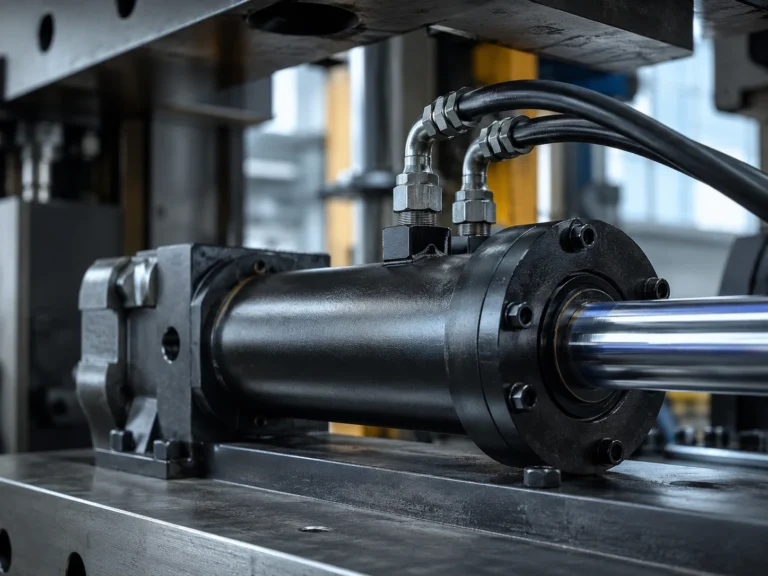
Quick Summary: A hydraulic cylinder is a linear actuator that converts pressurized fluid into pushing or pulling force, used for lifting, clamping, pressing, tilting, and
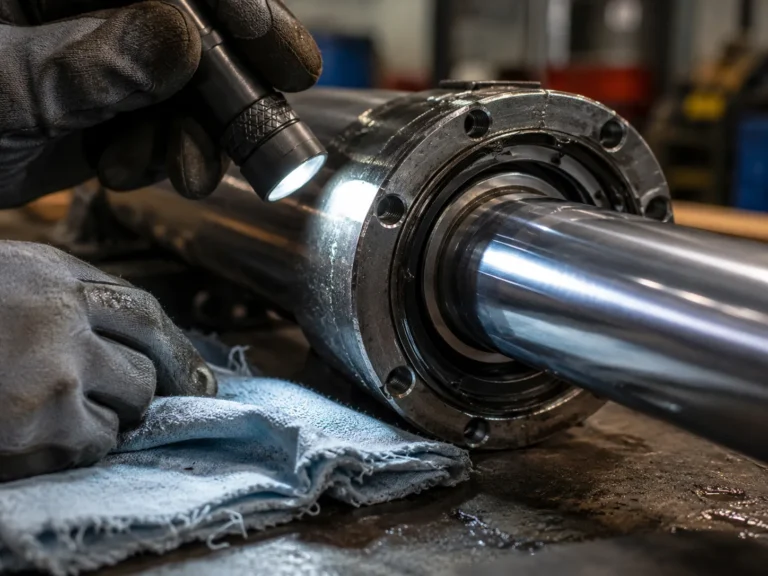
Quick Summary: A hydraulic cylinder is a linear actuator that converts pressurized fluid into pushing or pulling force, used for lifting, clamping, steering, pressing, and
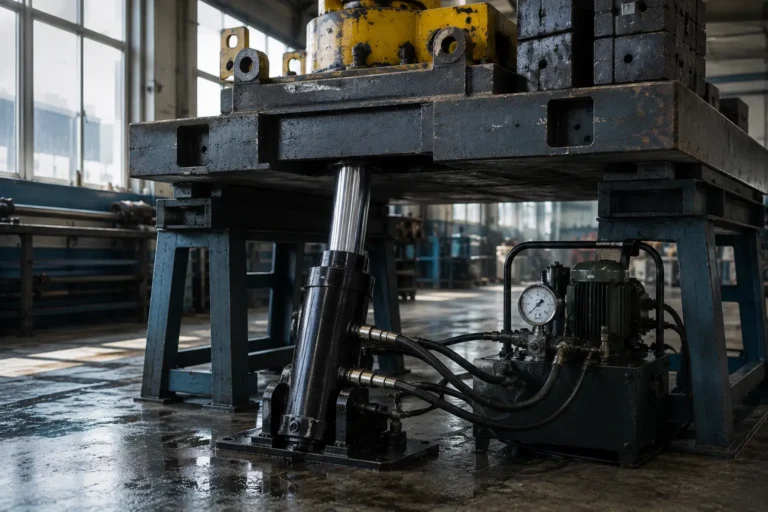
Learn how to calculate hydraulic cylinder tonnage, convert PSI and bore size into tons, adjust for lift angle, and avoid undersized cylinders in real lifting projects.
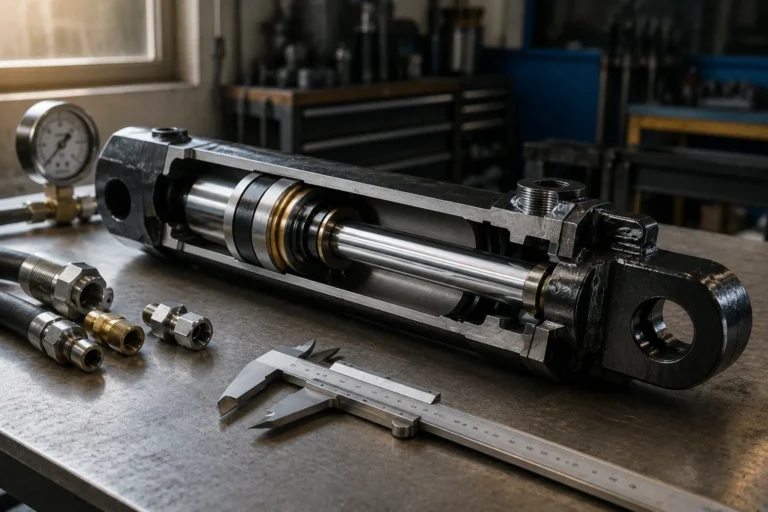
Learn how does a hydraulic cylinder work through pressure, flow, force, and stroke, with sizing logic, standards, risk checks, and buyer-ready selection tips for projects.
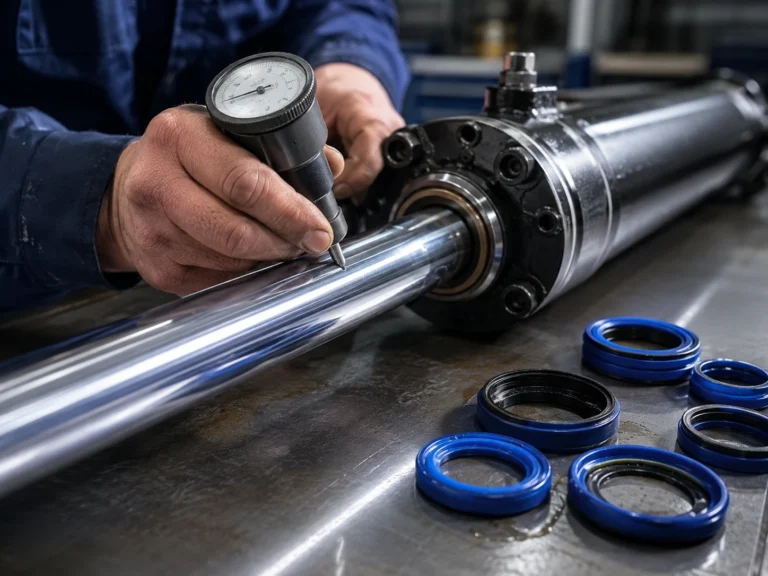
Quick Summary: Hydraulic cylinder parts are a group of pressure-containing, motion-guiding, sealing, and mounting elements that convert hydraulic energy into linear force, used for lifting,
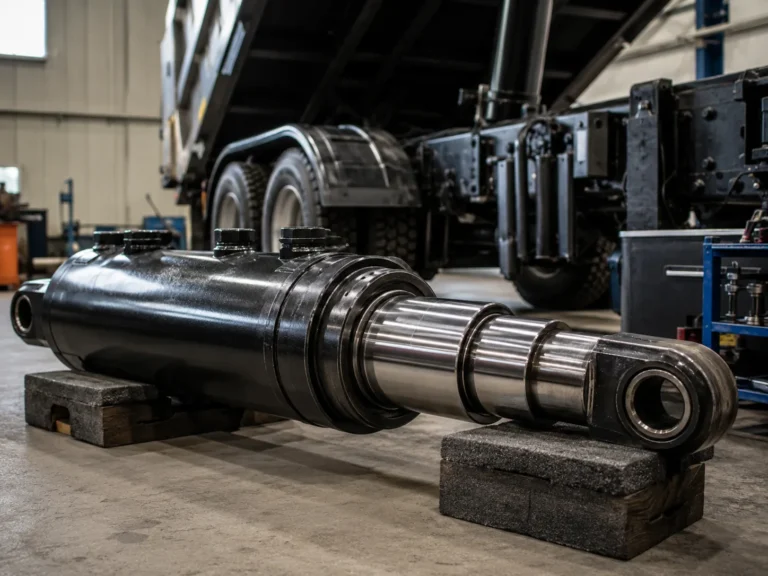
Learn how does a telescopic hydraulic cylinder work, how stages create long stroke in compact space, and what buyers must check before specifying one for safe projects.
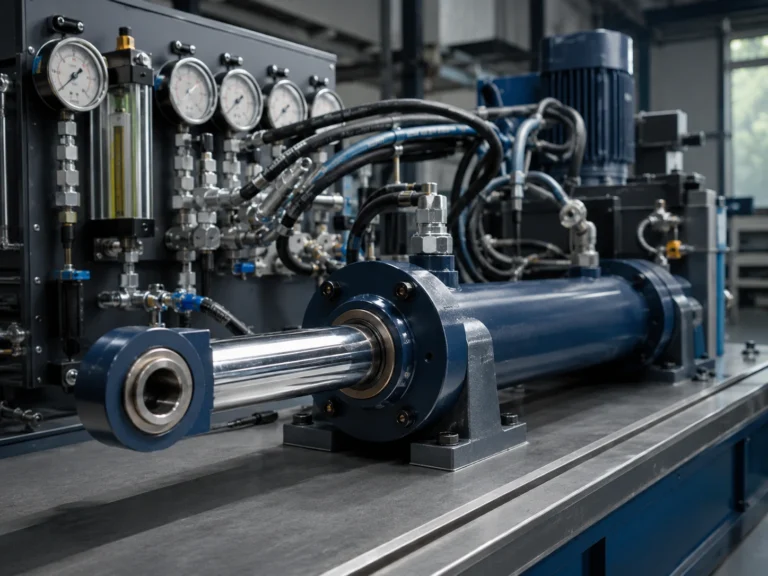
Learn how to calculate hydraulic cylinder speed from flow and bore area, then control speed by checking pump flow, ports, hoses, and valves.