When the OEM Part Is Delayed, What Should a Procurement Manager Do First?
The fastest decision is not to buy the first lower-cost substitute; it is to confirm whether the failed cylinder is dimensionally standard, application-critical, or custom to the machine. If the OEM lead time will keep equipment idle for weeks, a qualified replacement cylinder supplier can often support a custom aftermarket route after measurement and engineering review.
This article is written for procurement managers, equipment maintenance buyers, and project contractors who must make a bottom-of-funnel decision under downtime pressure. The real question is not whether original parts or aftermarket replacements are universally better. The practical question is which route protects uptime, safety, fit, and total repair cost for this specific machine.
Hydraulic cylinders look simple from the outside, but a replacement decision affects pin alignment, rod buckling margin, seal compatibility, port orientation, load holding, and machine warranty exposure. ISO 5598 defines fluid power terminology, while ISO 6020 and ISO 6022 provide mounting-dimension families for common cylinder pressure classes. Those standards help buyers ask the right questions before placing an urgent order.
A common mistake is assuming that aftermarket always means lower quality. In reality, the aftermarket is a sourcing category, not a performance grade. A poorly verified aftermarket cylinder can fail early, but a properly measured and manufactured custom replacement can reduce downtime when the exact OEM part is unavailable or commercially unreasonable.
OEM, Aftermarket, and Custom Manufacturing: What Is the Real Difference?
OEM is the safest route when exact compatibility, warranty continuity, and original documentation matter more than speed or price. Aftermarket is the better route when verified dimensions, suitable materials, and shorter lead time can be proven. Custom manufacturing is strongest when the machine is older, modified, imported, or no longer supported by the original brand.
OEM Hydraulic Cylinders
An OEM cylinder is supplied by, or through, the original equipment manufacturer’s authorized parts channel. It is normally the easiest option for warranty-sensitive machines, dealer-maintained fleets, and equipment with proprietary mounting details. The buyer usually receives the original part number, expected fit, and fewer internal approval steps.
The trade-off is commercial control. If the OEM part is on backorder, discontinued, or priced as a captive spare, the buyer has limited leverage. For BOFU buyers, the main risk is downtime cost, not the purchase price alone.
Best for: warranty-sensitive machines, new equipment, safety-critical assets, and fleets where dealer documentation is more valuable than lead-time flexibility.
Standard Aftermarket Hydraulic Cylinders
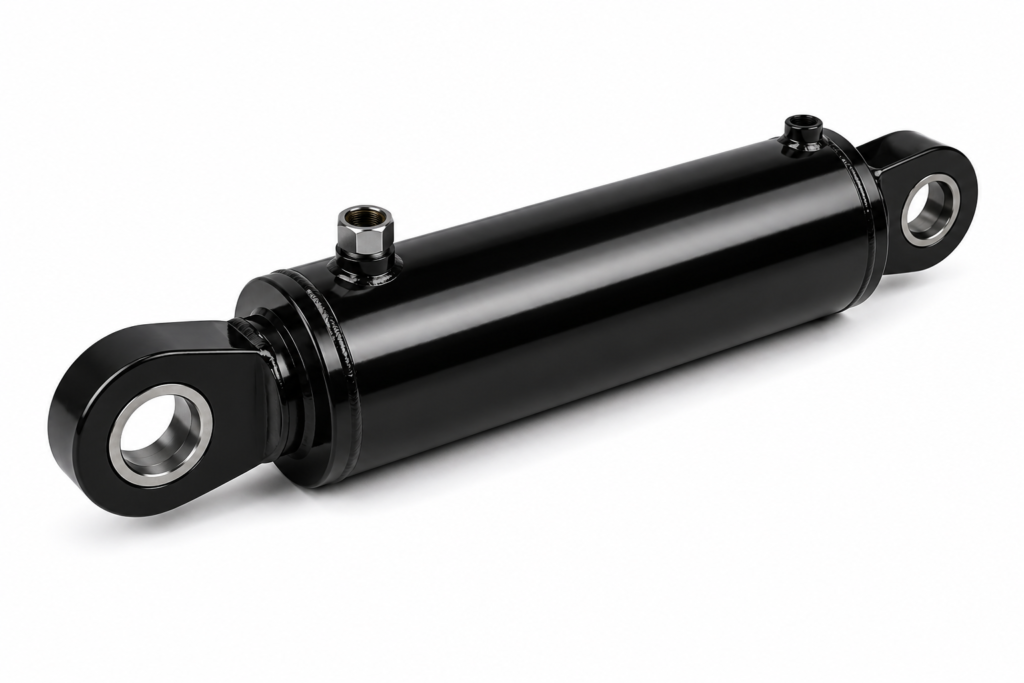
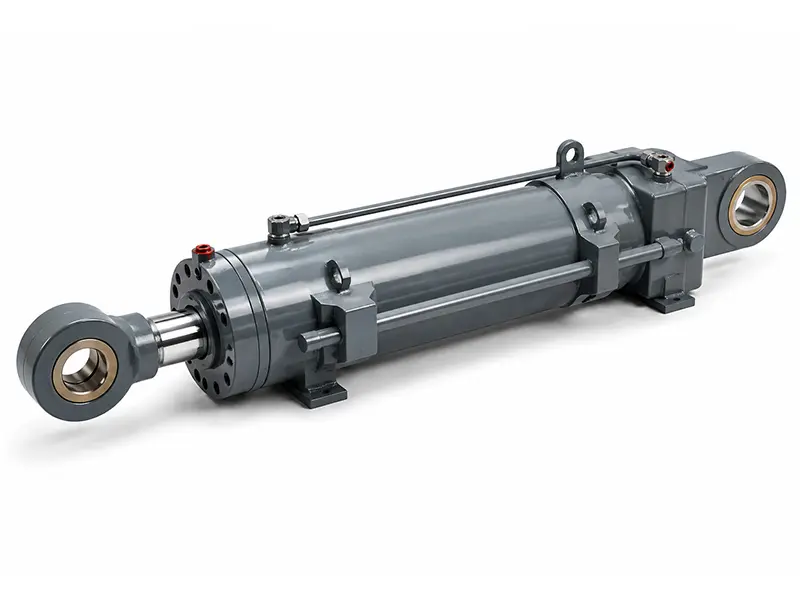
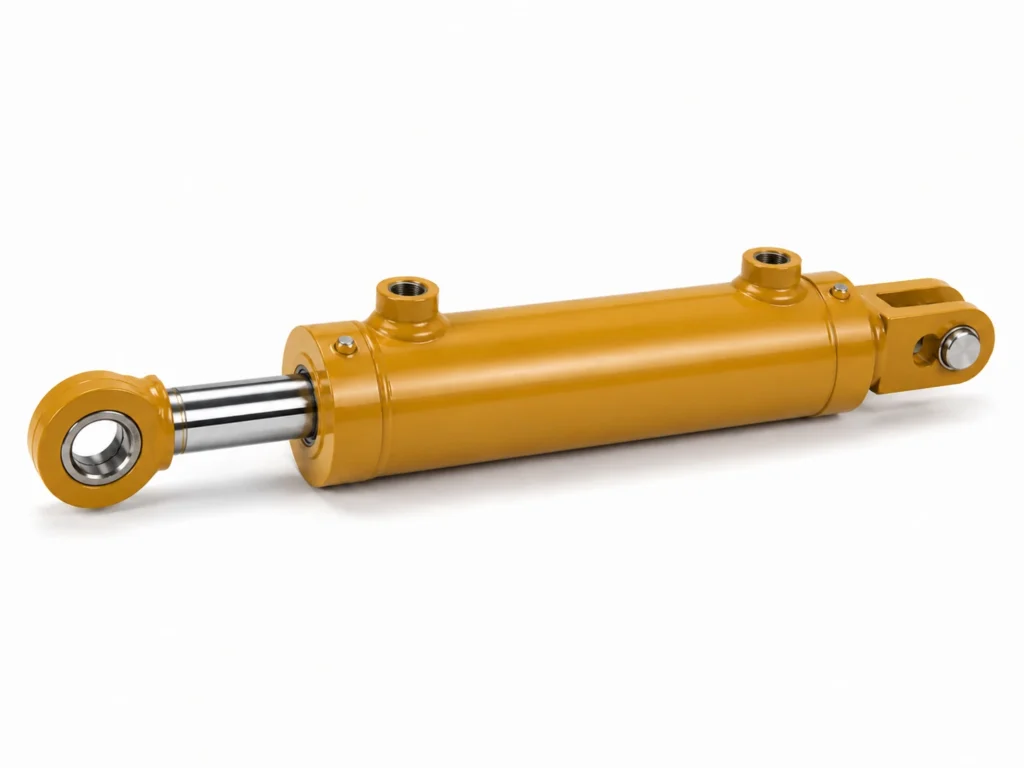
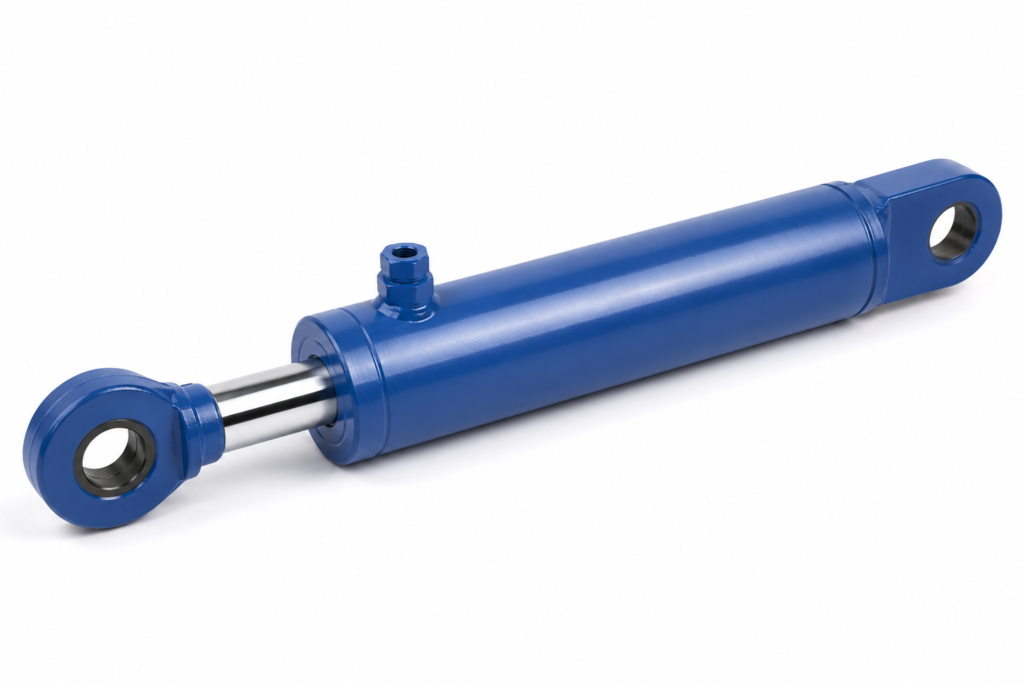
A standard aftermarket hydraulic cylinder is a non-OEM replacement intended to match a common application, bore, stroke, mounting style, and pressure range. This can be attractive for agricultural equipment, dump trailers, material handling machines, and standardized industrial power units where cylinder families are widely available.
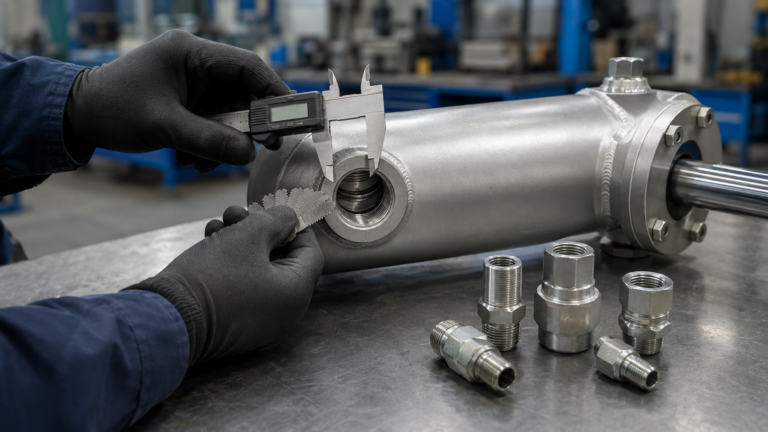
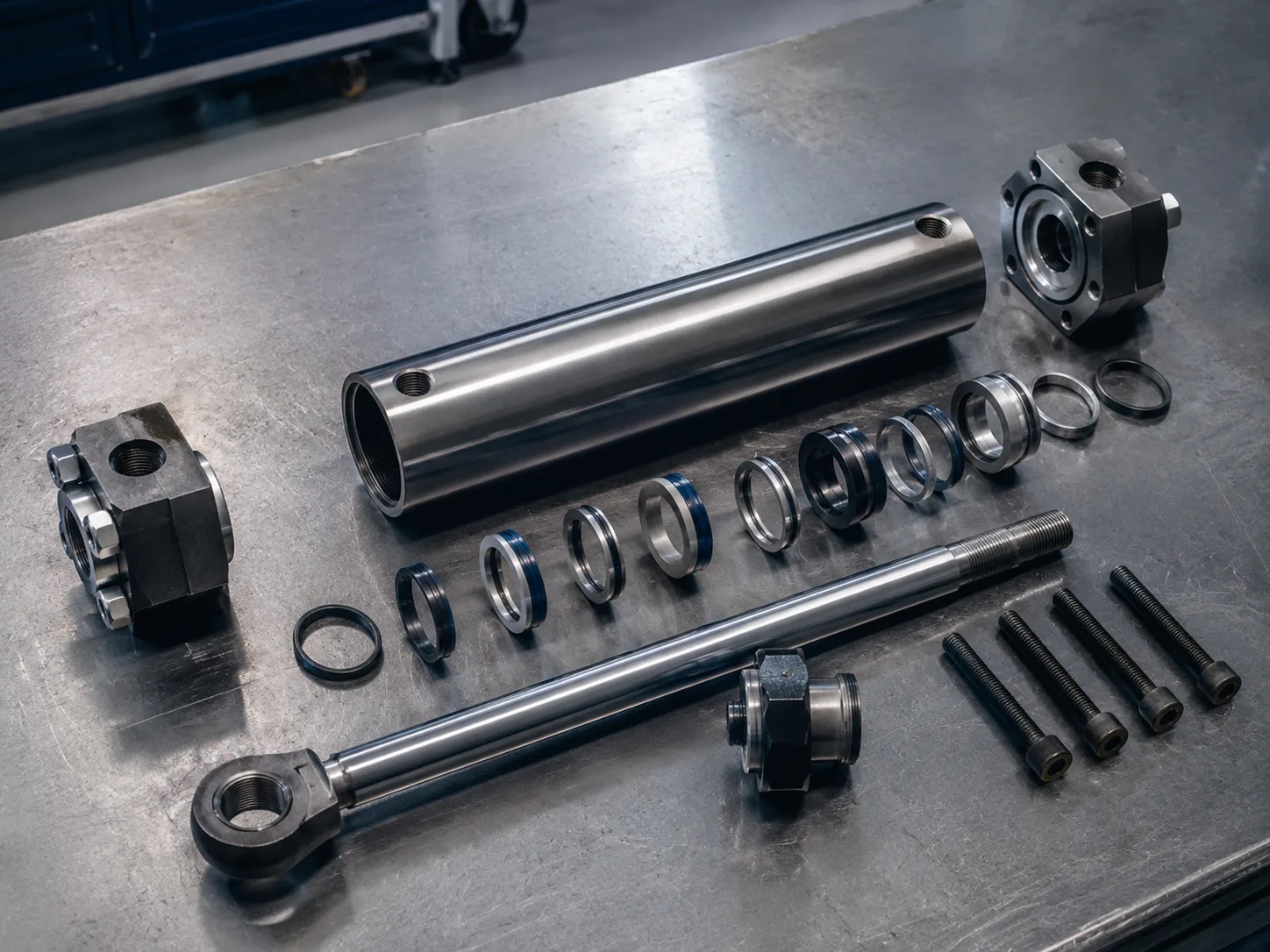
The buyer must verify more details than a part number. Pin diameter, retracted length, extended length, rod diameter, port thread, port position, stroke, seal material, and mounting width all matter. A small mismatch can create side load, leakage, restricted flow, or installation delay.
Best for: common equipment platforms, non-warranty repairs, and replacement programs where measurements can be checked before dispatch.
Custom Aftermarket Manufacturing
Custom manufacturing is the practical middle ground when exact OEM supply is slow but the machine cannot accept a catalog cylinder. The supplier builds from drawings, samples, photos, measurements, or reverse-engineered specifications. ZHY is positioned for this type of custom replacement support, especially when buyers need engineering confirmation before committing to a batch order.
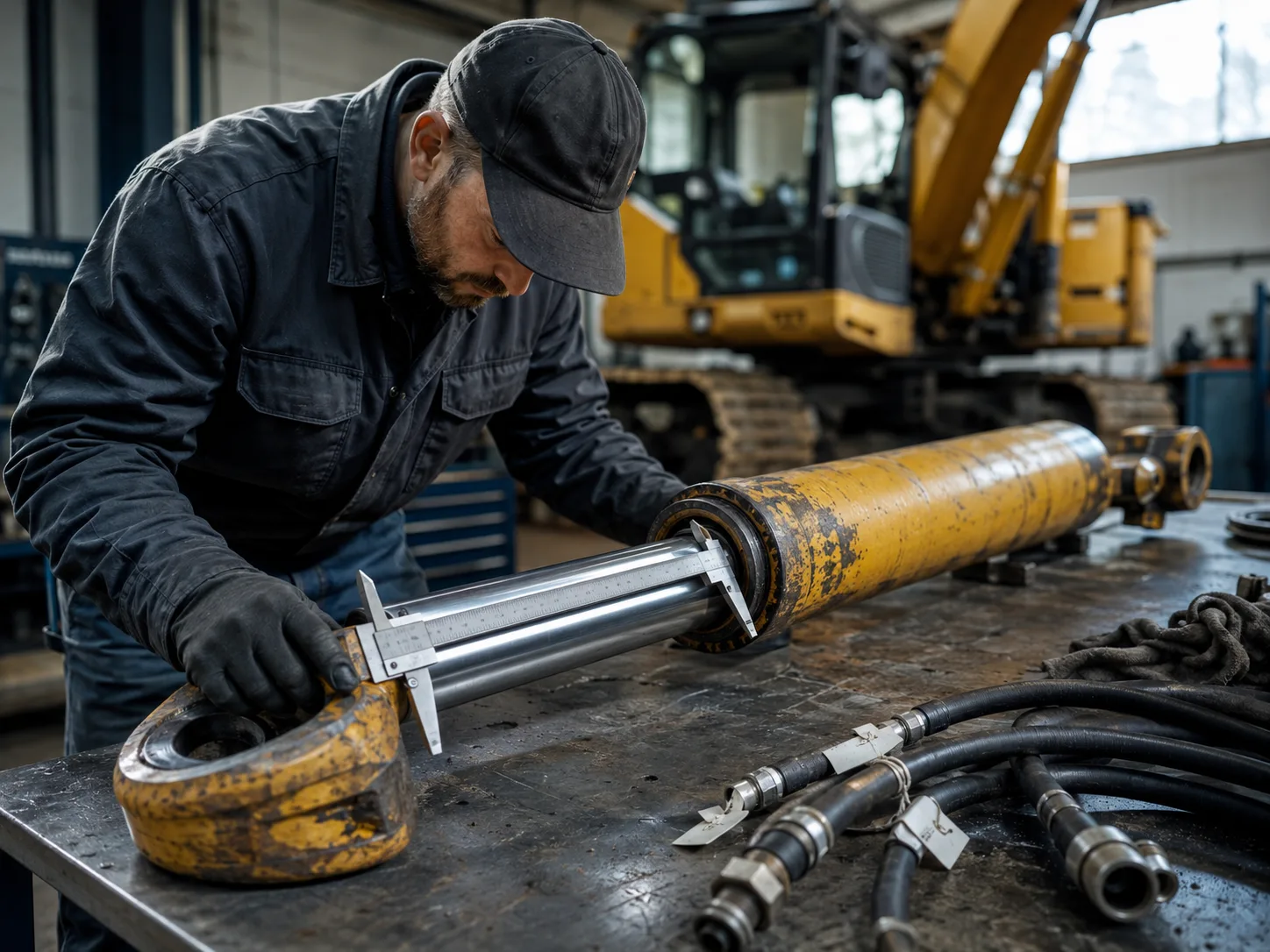
This route is strongest when the buyer can provide the failed unit, machine model, load condition, working pressure, port information, and installation space. The risk shifts from availability to specification discipline: if the input data is wrong, the finished cylinder may be wrong.
Best for: discontinued OEM parts, modified machinery, imported equipment, urgent downtime cases, and fleets that need repeatable replacements after the first sample is approved.
Key Takeaways
- Aftermarket does not automatically mean low quality; it means the replacement is not supplied through the original OEM parts channel.
- Fit risk is usually caused by mounting width, pin diameter, stroke, port orientation, or retracted length errors.
- ISO 6020 and ISO 6022 are useful references for common hydraulic cylinder mounting dimensions and pressure classes.
- Custom aftermarket manufacturing can reduce downtime when an exact OEM part is delayed, discontinued, or commercially impractical.
- The safest buying process starts with measurement, application data, drawing confirmation, and inspection records before shipment.
Which Route Should You Choose for Cost, Fit, Lead Time, and Risk?
Choose the route that removes the largest business risk first. If the machine is under warranty, OEM normally wins. If production is stopped and the OEM part is delayed, custom aftermarket can be the better business decision. If the cylinder is a common design, a verified catalog replacement may be enough.
| Buyer Situation | Recommended Route | Main Reason | Critical Check Before Ordering |
|---|---|---|---|
| Machine is new and still under OEM warranty | OEM part | Protects warranty documentation and dealer accountability | Confirm part number, serial number, and warranty claim rules |
| OEM lead time is too long and production is stopped | Custom aftermarket replacement | Can reduce downtime if dimensions and pressure requirements are verified | Measure pin-to-pin length, stroke, bore, rod, ports, and mounting width |
| Cylinder is a standard welded or tie-rod design | Standard aftermarket cylinder | Common sizes may be available faster through distribution channels | Check retracted length, port type, rod diameter, and mounting style |
| Equipment is old, imported, modified, or discontinued | Custom manufacturing from sample or drawing | Original supply may be unavailable or poorly documented | Request drawing approval and inspection report before shipment |
| Cylinder works in high-cycle or contamination-prone service | OEM or engineered aftermarket | Seal material, rod finish, and cleanliness control become failure drivers | Confirm seal compatibility, surface finish requirement, and ISO 4406 cleanliness target |
How to use this table: read the first column as your operating constraint, then follow the recommended route only if the final inspection column can be satisfied; when two options look close, choose the one that reduces machine downtime without increasing unverified fit risk.
Cost should be evaluated as total repair cost, not line-item price. Freight, emergency service labor, lost production, repeat installation, and return shipping can erase a low purchase price. For a distributor or maintenance buyer, the most economical cylinder is the one that fits the first time and survives the expected duty cycle.
What Parameters Decide Whether an Aftermarket Cylinder Will Fit?
Fit is determined by geometry, pressure capability, hydraulic interface, and application load. The most common purchasing failure is checking bore and stroke but ignoring mounting width, closed length, port position, or rod-end thread. A good replacement cylinder supplier should ask for more than a machine model and photo.
- Bore
- The internal diameter of the cylinder tube; it influences force output at a given hydraulic pressure.
- Stroke
- The distance the rod travels from fully retracted to fully extended; an error changes machine movement and end-position alignment.
- Retracted Length
- The closed pin-to-pin or mounting length; even a small mismatch can prevent installation or cause binding.
- Rod Diameter
- The diameter of the piston rod; it affects column strength, side-load tolerance, and seal selection.
- Port Type and Orientation
- The thread, size, and angular position of hydraulic ports; wrong orientation can interfere with hoses, guards, or machine frames.
Standards provide useful reference points but do not remove the need for measurement. ISO 3320 covers metric bore and piston rod diameter series, while ISO 6020 and ISO 6022 address mounting dimensions for common 16 MPa and 25 MPa cylinder classes. A custom cylinder may follow these references or intentionally deviate from them because the machine design requires it.
Material choices also affect service life. Cylinder tubes are often honed steel, rods are commonly chrome plated or otherwise surface treated, and seals must match oil type, temperature, pressure, and contamination exposure. ASTM A519 is a widely used specification for seamless carbon and alloy steel mechanical tubing, but the buyer still needs supplier confirmation of actual material grade and inspection records.
How Do Cost and Lead Time Change the Buying Decision?
Lead time becomes the decisive factor when the machine is tied to revenue. If a loader, press, lift, compactor, or production fixture is idle, waiting for an exact OEM cylinder can be more expensive than paying for measurement, custom machining, and inspection. The right decision compares downtime exposure against engineering risk.
For distributors, the decision is also about repeatability. A one-time emergency replacement may solve a single failure, but a documented custom aftermarket design can become a repeatable SKU for a fleet or regional customer. That is where a supplier such as ZHY can add value through drawing confirmation, sample validation, and controlled batch production.
However, speed should not override verification. A rushed cylinder that arrives with the wrong port thread or mounting width creates a second delay. Buyers should request a pre-production drawing, material confirmation, seal specification, pressure test procedure, and packaging plan. When the failed cylinder is still available, sending the sample or a full measurement sheet is usually safer than relying on model numbers alone.
What Standards and Regulations Should Buyers Consider?
Hydraulic cylinder replacement is not only a purchasing task; it is part of machinery safety and maintenance control. Buyers should align replacement work with dimensional standards, contamination-control references, material standards, and safe-energy isolation practices. This is especially important for industrial buyers, facility managers, and contractors responsible for worker safety.
ISO 4406 provides the contamination coding method widely used for hydraulic fluids. Cleanliness matters because particles accelerate wear in seals, valves, and precision surfaces. If a replacement cylinder is installed into a contaminated system, even a well-made cylinder may fail early. That means cylinder replacement should be paired with hose inspection, fluid condition review, and filtration checks.
For workplace safety, lockout and control of hazardous energy are critical. OSHA 29 CFR 1910.147 applies in the United States to servicing and maintenance where unexpected energization or release of stored energy could injure workers. In the European Union, Regulation (EU) 2023/1230 updates machinery requirements and reinforces the broader expectation that machinery and components be assessed in a safety context.
Procurement teams do not need to become standards engineers, but they should require evidence. Ask whether the cylinder design references ISO mounting dimensions, what pressure test is performed, what steel and seal materials are used, and how the supplier controls cleanliness before shipment. These questions separate a competent aftermarket program from simple copy-and-ship trading.
Real-World Buying Scenarios: When Each Option Wins
Commercial investigation searches usually come from buyers who are close to ordering but unsure which risk matters most. The following scenarios show how the decision changes by application, not by slogan.
Construction Loader With a Failed Lift Cylinder
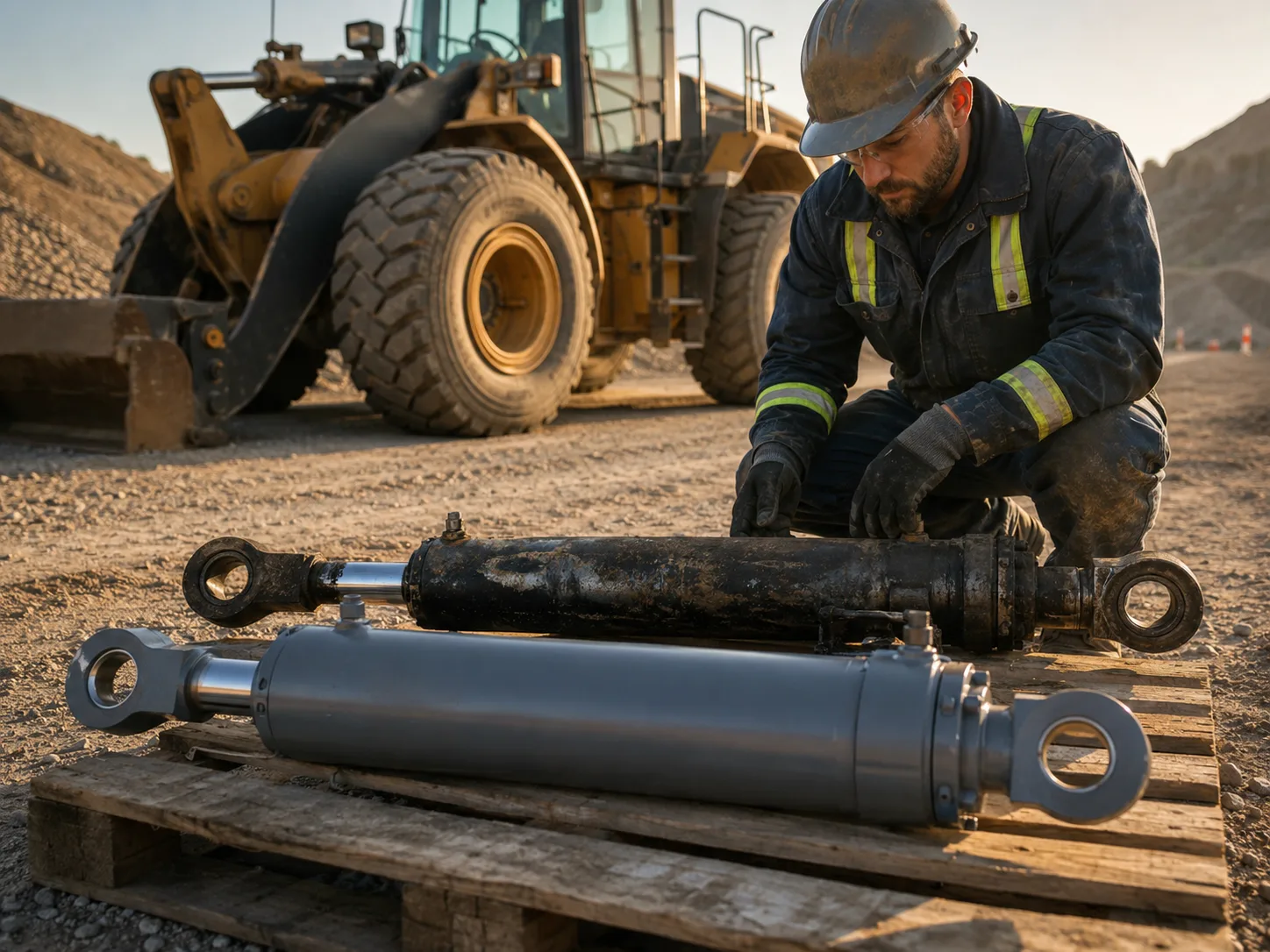
A contractor has a loader waiting on a jobsite, and the dealer reports a long lead time for the exact OEM cylinder. If the failed cylinder can be removed and measured, custom aftermarket manufacturing is a strong option. The supplier should confirm rod diameter, pin sizes, retracted length, stroke, port thread, and working pressure before production.
Best for: custom aftermarket replacement, because the downtime risk is immediate and the cylinder can be reverse-engineered from the failed unit.
New Aerial Work Platform Under Warranty
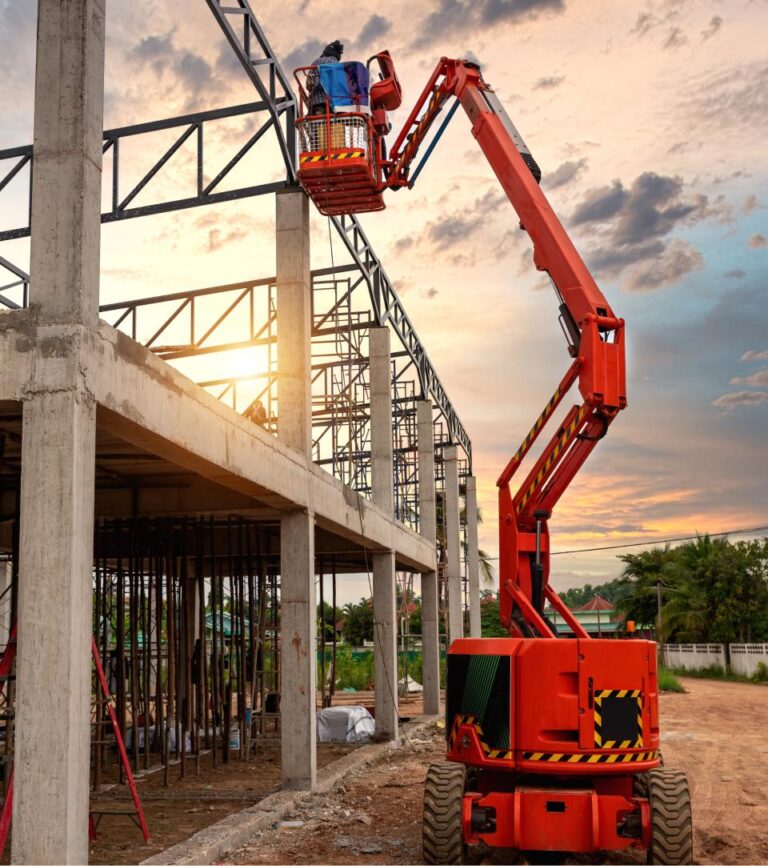
A facility manager has a newer machine still covered by warranty and maintained through an authorized dealer. In this case, OEM is usually the better choice, even if the purchase price is higher. Warranty traceability and dealer liability are more important than saving a few days, especially for lifting equipment where documentation matters.
Best for: OEM replacement, because warranty protection and safety documentation outweigh sourcing flexibility.
Distributor Supporting Older Agricultural Equipment
A regional distributor receives repeated requests for older agricultural cylinders that are not consistently available through the OEM channel. After one verified sample, a custom replacement can become a repeatable product with stable drawings, packaging, and inspection criteria. This supports faster local service and reduces future emergency sourcing.
Best for: engineered aftermarket production, because repeat demand can justify drawing control and batch quality checks.
Practical Asset: Copy-Ready Cylinder Replacement RFQ Checklist
Use this checklist before requesting a quote from an OEM dealer, aftermarket distributor, or custom manufacturer. It is designed to prevent the most expensive error in cylinder sourcing: ordering quickly with incomplete data.
- Identify the machine: record brand, model, serial number, function of the cylinder, installation position, and whether the machine is under warranty.
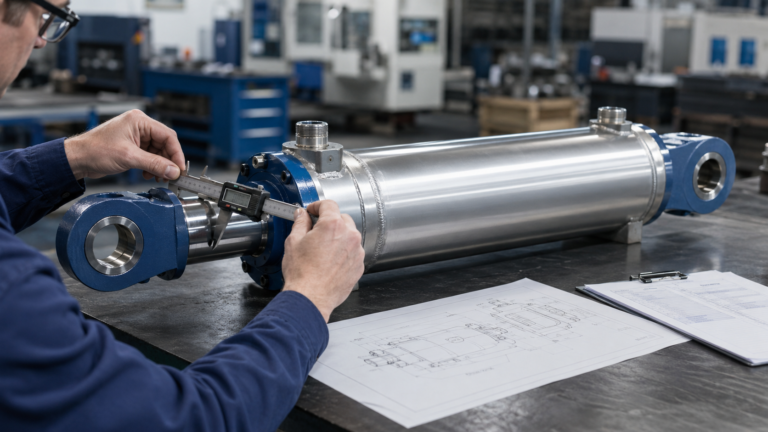
- Measure the cylinder closed length: confirm pin-to-pin length or mounting face-to-mounting face length with the rod fully retracted.
- Measure the stroke: extend the rod fully and record total travel; do not estimate stroke from the exposed shiny rod only if stops or collars are present.
- Record mounting details: measure pin diameter, clevis width, eye bearing width, spherical bearing size, flange pattern, trunnion size, or rod-end thread.
- Confirm hydraulic details: record port type, thread standard, port size, port angle, hose clearance, and whether fittings interfere with guards or machine frames.
- Ask for material and seal information: request tube material, rod surface treatment, seal material, temperature range, and fluid compatibility.
- Ask for inspection evidence: request dimensional inspection, pressure test confirmation, visual surface checks, and packaging photos before shipment.
- Approve a drawing before production: require the supplier to mark critical dimensions so your maintenance team can sign off before machining starts.
- Plan installation safety: apply lockout procedures, relieve stored pressure, support raised equipment, and inspect hoses, pins, and bushings before installing the new cylinder.
- Keep the data for repeat orders: save the final drawing, inspection report, supplier quote, and installation feedback for future fleet replacements.
FAQ
1. Are aftermarket hydraulic cylinders lower quality than OEM cylinders?
No. Aftermarket describes the sales channel, not the quality level. A low-grade aftermarket cylinder can fail early, but a properly engineered replacement can match the application if dimensions, materials, pressure capability, seals, and testing are verified. OEM remains strongest for warranty-sensitive machines. Aftermarket becomes attractive when the original part is delayed, discontinued, or overpriced and the supplier can provide drawings, inspection records, and application review.
2. When should I choose OEM instead of a custom aftermarket cylinder?
Choose OEM when the machine is new, under warranty, safety-certified through dealer maintenance, or difficult to measure accurately. OEM is also safer when the cylinder has proprietary sensors, integrated valves, or unusual load-holding functions. In these cases, the cost of an incorrect replacement may exceed the savings. If the OEM lead time is acceptable and documentation matters, the original part is usually the cleaner procurement route.
3. What measurements does a replacement cylinder supplier need?
A supplier should request more than bore and stroke. Important measurements include retracted length, extended length, pin diameter, mounting width, rod diameter, port type, port orientation, rod-end thread, and mounting style. Application data also matters: working pressure, duty cycle, temperature, fluid type, and whether side load is present. Providing the failed cylinder, clear photos, or a marked drawing reduces the chance of ordering a part that cannot be installed.
4. Can a custom aftermarket hydraulic cylinder reduce downtime?
Yes, it can reduce downtime when the OEM part is delayed and the failed cylinder can be measured accurately. Custom manufacturing is especially useful for older equipment, imported machines, modified frames, or discontinued parts. The advantage disappears if the supplier skips engineering confirmation. Buyers should insist on a drawing, material confirmation, seal specification, pressure test process, and final inspection record before shipment.
5. What standards are useful when comparing OEM vs aftermarket hydraulic cylinders?
Useful references include ISO 6020 and ISO 6022 for hydraulic cylinder mounting dimensions, ISO 3320 for metric bore and piston rod diameter series, ISO 4406 for hydraulic fluid contamination coding, and ASTM A519 for seamless carbon and alloy steel mechanical tubing. Safety-related maintenance should also consider lockout rules such as OSHA 29 CFR 1910.147 in the United States and machinery safety requirements in the relevant market.
References
- ISO 5598:2020 Fluid power systems and components — Vocabulary, ISO/TC 131, International Organization for Standardization, 2020.
- ISO 6020-1:2007 Hydraulic fluid power — Mounting dimensions for single rod cylinders, 16 MPa (160 bar) series — Part 1: Medium series, ISO/TC 131/SC 3, International Organization for Standardization, 2007.
- ISO 6022:2006 Hydraulic fluid power — Mounting dimensions for single rod cylinders, 25 MPa (250 bar) series, ISO/TC 131/SC 3, International Organization for Standardization, 2006.
- ISO 3320:2013 Fluid power systems and components — Cylinder bores and piston rod diameters and area ratios — Metric series, ISO/TC 131, International Organization for Standardization, 2013.
- ISO 4406:2021 Hydraulic fluid power — Fluids — Method for coding the level of contamination by solid particles, ISO/TC 131/SC 6, International Organization for Standardization, 2021.
- ASTM A519/A519M-23 Standard Specification for Seamless Carbon and Alloy Steel Mechanical Tubing, ASTM Committee A01, ASTM International, 2023.
- 29 CFR 1910.147 The control of hazardous energy (lockout/tagout), Occupational Safety and Health Administration, U.S. Department of Labor, 1989.
- Regulation (EU) 2023/1230 of the European Parliament and of the Council on machinery, European Parliament and Council of the European Union, 2023.
How to Make the Final OEM vs Aftermarket Decision Without Guesswork
The strongest purchasing decision starts with a clear hierarchy: protect safety first, protect fit second, reduce downtime third, and then optimize price. This order matters because hydraulic cylinders convert fluid pressure into force. A replacement that is cheap but misaligned, under-specified, or poorly sealed can damage pins, hoses, structures, valves, and operators’ confidence in the repair.
For buyers comparing OEM vs aftermarket hydraulic cylinders, the market trend is toward more practical sourcing flexibility. Equipment fleets are aging, global parts channels are uneven, and maintenance teams increasingly need alternatives when original parts are delayed. That does not mean every aftermarket offer is acceptable. It means buyers should separate channel risk from engineering risk. Channel risk is where the part comes from. Engineering risk is whether it can safely do the job.
The best option is OEM when the part is available, the machine is under warranty, or the cylinder contains proprietary features that are difficult to verify. The best option is a standard aftermarket replacement when the cylinder is common, measurements align, and the supplier can prove basic compatibility. The best option is custom aftermarket manufacturing when the OEM lead time is too long and the buyer can provide accurate dimensions, application conditions, and approval authority.
Standards help define the conversation. ISO 6020 and ISO 6022 give buyers a language for mounting dimensions and pressure families. ISO 4406 reminds maintenance teams that fluid cleanliness is part of cylinder reliability, not a separate issue. OSHA lockout requirements and the EU Machinery Regulation reinforce that replacement work must be treated as machinery maintenance with real safety consequences.
ZHY’s role in this decision is not to claim that aftermarket is always better. The practical value is helping buyers turn an uncertain replacement into a controlled custom project: confirm dimensions, review application conditions, prepare drawings, select materials and seals, manufacture consistently, and support repeat orders after the first unit is approved. For procurement managers facing downtime, that process is the difference between a risky substitute and a defensible replacement strategy.