Quick Summary: Fixing Pitted Hydraulic Cylinder Rods
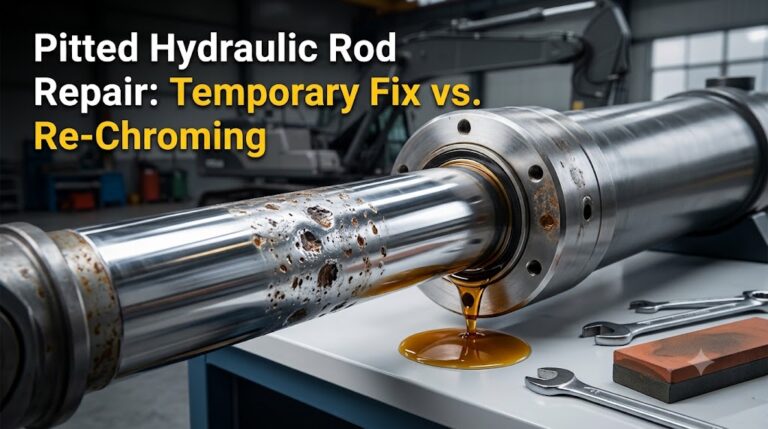
The Problem: Pitting on a hydraulic cylinder rod creates sharp, microscopic craters that shred U-cup rod seals and wiper seals, leading to immediate oil leaks, fluid contamination, and pressure loss.
Temporary Fix (Field Emergency): Filling pits with metal-filled epoxy (e.g., Belzona 1111 or JB Weld) and stoning it flush. This stops seal tear-up for a few weeks or months on remote job sites, but resin eventually degrades under high hydraulic pressure and thermal cycling.
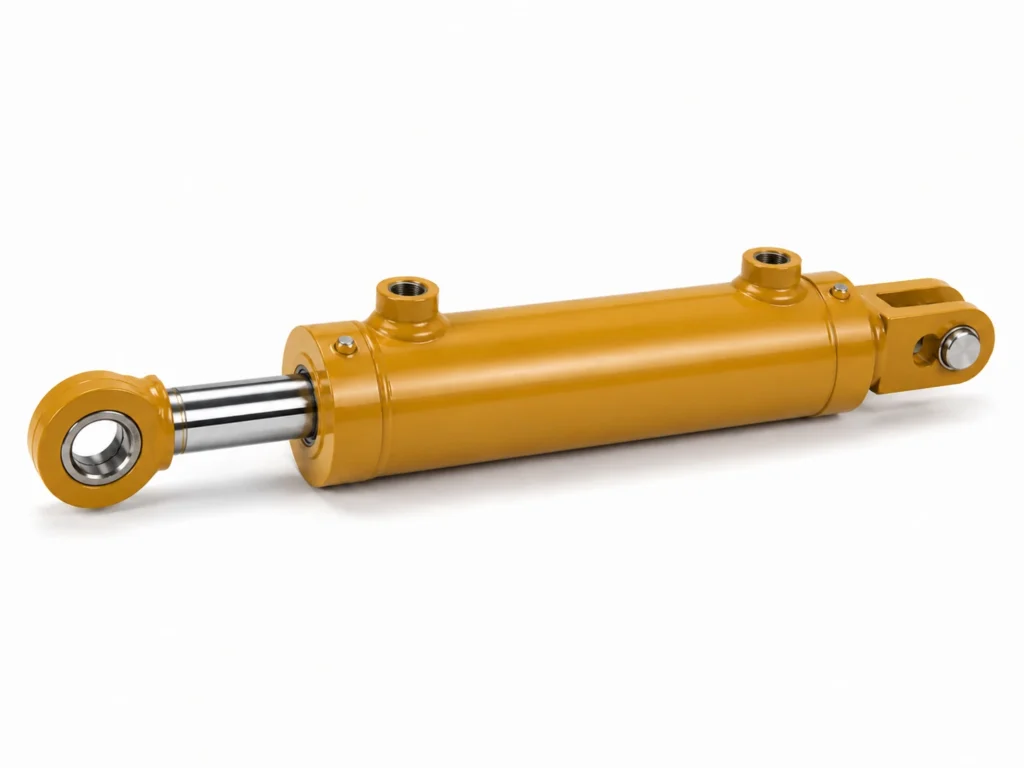
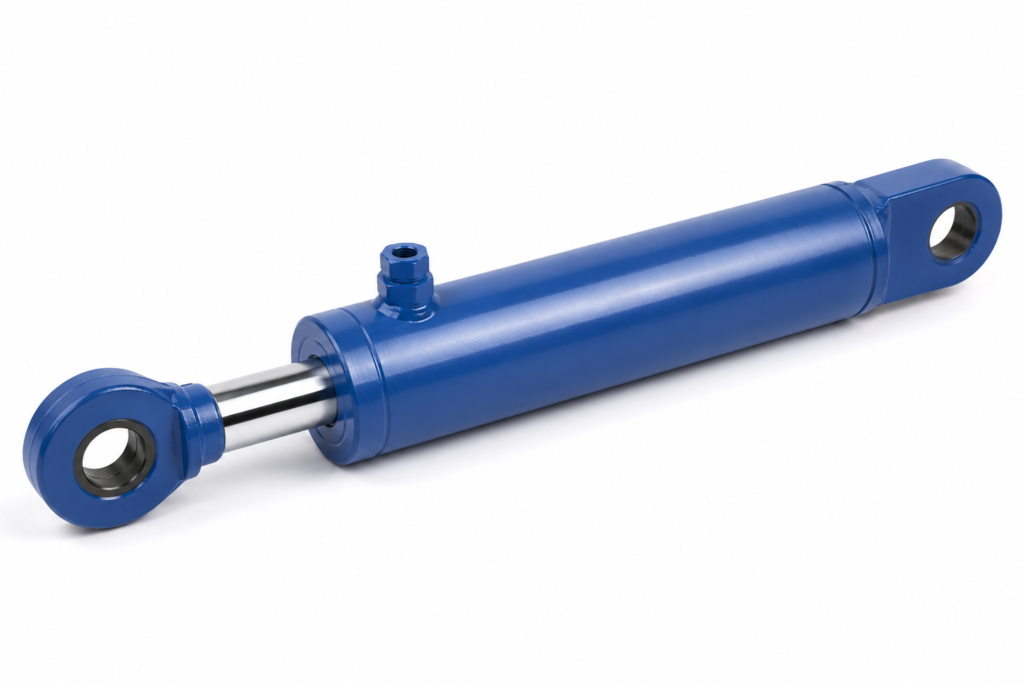
Long-Term Solution: Stripping the old chrome, welding/re-grinding the damaged zones, and applying fresh hard chrome plating (or replacing the rod completely with induction-hardened chrome bar stock). For heavily degraded or hard-to-source units, upgrading to full replacement hydraulic cylinders engineered for harsh environments is often the most cost-effective decision.
The Nightmare of the Pitted Hydraulic Cylinder Rod
You pull up to an excavator, loader, or hydraulic press after a weekend shutdown, start up the hydraulic pump, and within five minutes, you notice a steady puddle of hydraulic oil forming right under the rod gland. You replace the wiper seal and rod seal, cycle the cylinder three times, and watch the brand-new seal tear up all over again.
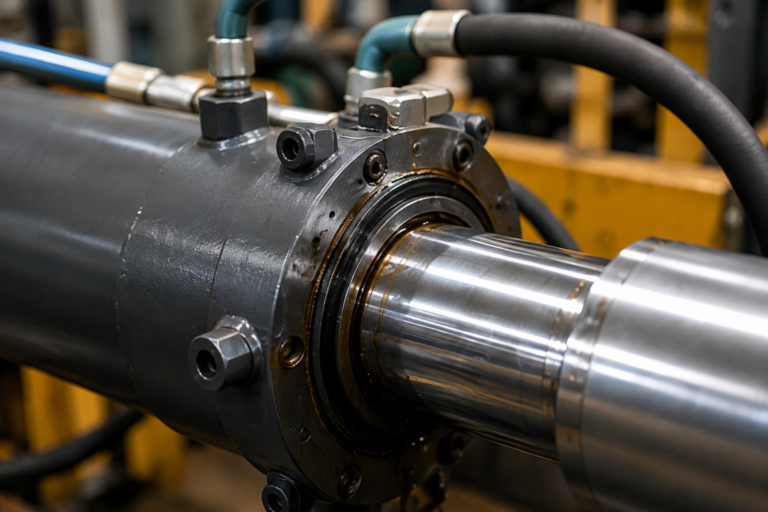
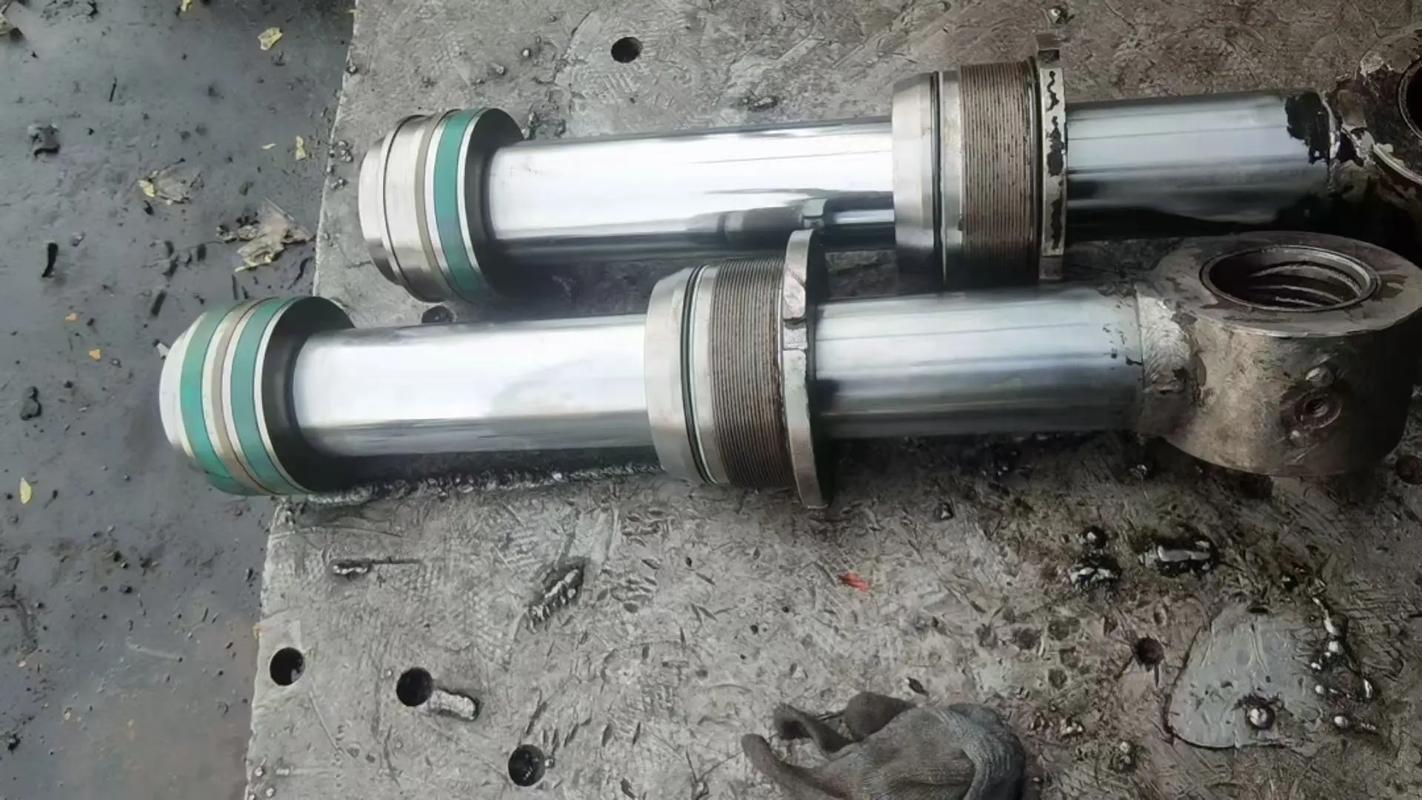
When you extend the rod and run your fingers along the chrome surface (safely, with a clean rag), you feel it: small, rough, sandpaper-like craters. That is rod pitting.
A pitted piston rod is one of the most frustrating failures in fluid power maintenance. A single pit no larger than a pinhead acts like a microscopic cheese grater against your urethane seals. Every time the rod retracts, those sharp metallic edges carve tiny grooves into the sealing lip. Within hours, your 3,000 PSI system is blowing oil into the environment.
In this guide, we will break down what actually causes pitting, how you can perform a quick emergency field repair to finish your job, when you need professional hard chrome replating, and when replacing the complete rod or cylinder assembly makes the most financial sense for your operation.
What Is Rod Pitting and Why Does It Happen?
To understand how to fix pitting, you first need to understand what you are looking at. Most standard hydraulic cylinder rods are manufactured from medium-carbon alloy steel (such as AISI 1045 or 42CrMo4) coated with a thin layer of hard electroplated chromium—typically between 20 to 30 microns (0.0008″ to 0.0012″) thick.
Hard chrome is extremely slick and hard (typically 65 to 70 HRC), but it is naturally porous at a microscopic level. It is not an impenetrable shield. Over time, environmental factors attack these micro-fissures:
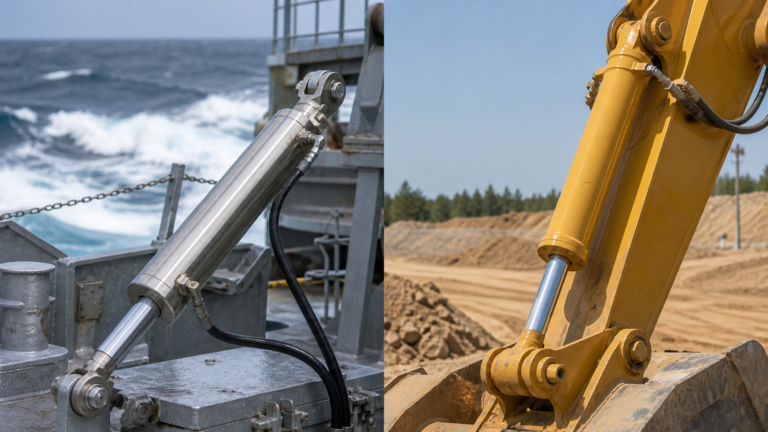
- Moisture & Chemical Attack: When equipment sits idle outdoors—especially in coastal, marine, or salt-treated winter environments—water vapor penetrates the microscopic pores of the chrome layer. It reaches the underlying carbon steel, creating galvanic corrosion. As the underlying steel rusts, it expands, popping off tiny flakes of chrome plating from the inside out.
- Physical Impact (Mechanical Rock Strikes): Gravel, flying debris, or accidental tool strikes chip the outer chrome layer. Once the bare steel underneath is exposed to oxygen and moisture, pitting rust forms immediately.
- Acidic or Contaminated Hydraulic Oil: Degrading hydraulic oil that has absorbed water or acidity will corrode the rod internally during long periods of machine inactivity, especially near the wiper seal where moisture collects.
- Side Loading and Bushing Contact: Excessive side loads push the rod against the gland bushing, wearing the chrome thin on one side and accelerating atmospheric corrosion.
If you suspect your system is suffering from broader mechanical misalignments alongside surface rust, reviewing basic hydraulic cylinder parts breakdown can help you identify whether guide rings or gland bushings are contributing to side wear.
Temporary Repairs: Emergency Field Fixes for Minimal Downtime
Imagine you are operating a timber harvester or an excavator on a remote job site 100 miles from the nearest hydraulic repair shop. You cannot wait three weeks for a rod to be stripped, re-welded, and re-chromed. You need to finish the contract this week.
This is where temporary, resin-based emergency repairs come in. The goal of a temporary repair is not to restore the rod’s original structural hardness, but to fill the pit holes and smooth out sharp edges so new seals can ride over the rod without getting sliced.
The Metal-Filled Epoxy / Belzona Repair Technique
The most proven field fix involves using two-part titanium or steel-filled epoxy compounds (such as Belzona 1111 Metallic Repair Composite, Loctite Fixmaster, or high-grade JB Weld). Do not attempt this with cheap home-use glues; you need high-compressive-strength industrial epoxies.
- Extend and Secure the Rod: Extend the cylinder fully so the pitted zone is completely exposed and supported. Lock out the hydraulic pump and relieve all line pressure.
- Degrease Thoroughly: Hydraulic fluid is the enemy of epoxy adhesion. Clean the pitted area multiple times using solvent degreasers like acetone or brake cleaner. Flush out every trace of oil inside the pit crater.
- De-burr and Prep the Pit Edges: Use a small rotary tool (like a Dremel with a carbide burr) or a small scraper to remove all flaking chrome and loose rust from inside the pit. You want bare, bright steel at the base of the hole. Chamfer the sharp top edges of the chrome back slightly.
- Roughen the Bonding Area: Lightly score the inside of the pit with 80-grit abrasive cloth to create a mechanical anchor profile for the epoxy. Avoid scratching the surrounding undamaged chrome.
- Apply the Epoxy Compound: Mix the two-part resin according to exact manufacturer proportions. Press the epoxy deep into the pit using a clean plastic spatula, making sure no air bubbles are trapped beneath. Slightly overfill the pit so the epoxy stands proud of the rod surface.
- Allow Full Curing: Respect the cure time! Heating the area gently with a heat gun (around 50°C / 120°F) can accelerate cure time and increase epoxy hardness, but never overheat the hydraulic oil inside the barrel.
- Precision Stoning Flush: Once fully cured, do NOT use a power grinder. Use a fine-grained oilstone (aluminum oxide or silicon carbide, 400 to 600 grit) wet with clean hydraulic oil. Gently stone the high epoxy bump down until it is 100% flush with the original chrome profile. Feel the transition with your bare fingernail—if your nail catches on any edge, keep light-stoning.
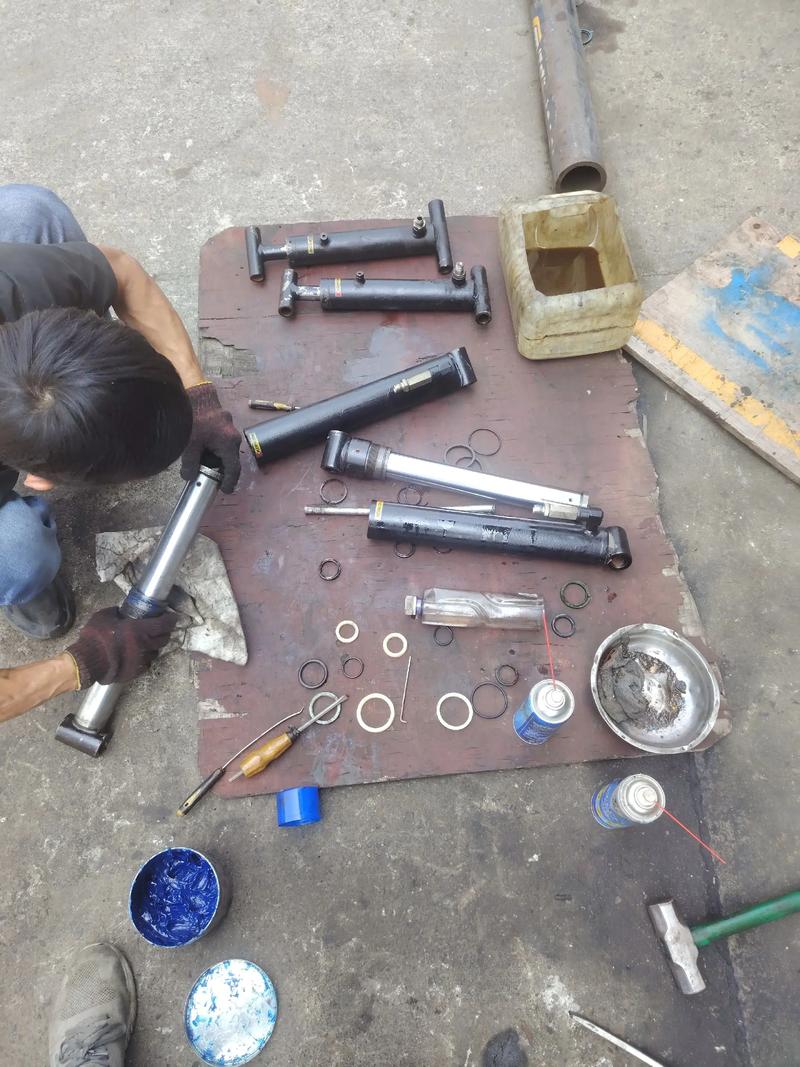
Why Temporary Epoxies Always Fail Eventually
You must treat epoxy filling as a temporary bridge, not a permanent repair. Why? Because resin composites have vastly different thermal expansion coefficients and hardness levels compared to hard chrome plating:
- Thermal Cycling Shock: As hydraulic oil temps cycle from freezing morning starts to 80°C (175°F) operating peaks, steel and epoxy expand at different rates. Eventually, the bond bond breaks, and the epoxy plug pops out.
- High Pressure Hydrostatic Force: Under 3,000+ PSI pressure spikes, fluid can force its way under the edges of the epoxy patch.
- Seal Wiping Abrasion: U-cup rod seals generate intense surface contact pressure. Over hundreds of thousands of cycles, the soft epoxy matrix wears down faster than the surrounding chrome, creating a shallow dip that eventually starts leaking oil again.
Long-Term Solutions: Restoring True Factory Specifications
When downtime costs thousands of dollars an hour, or when machinery operates in critical industrial installations, field patches are unacceptable. You have three permanent engineering choices:
1. Industrial Strip, Re-Weld, and Re-Chrome Plating
Professional hydraulic repair shops do not just spray chrome over old damage. Restoring a damaged rod requires a multi-step remanufacturing process:
- Chemical Stripping: The rod is submerged in a reverse-current electrolytic bath or acid strip to safely dissolve all remaining chrome plating without etching the base steel.
- Undercut Cylindrical Grinding: The rod is set up on a precision centerless or cylindrical grinder. The pitted areas are ground down past the deepest rust pocket until clean, uniform steel is exposed.
- Submerged Arc / TIG Micro-Welding: Deep gouges or pits are built back up with compatible steel filler metal (such as stainless or low-alloy steel wire) to match the base rod tensile strength.
- Precision Pre-Grind & Polishing: The welded zones are ground back down to exact dimensional tolerances, establishing a flawless surface mirror finish (Ra 0.1 to 0.2 µm).
- Electroplating Hard Chrome: The rod is immersed in a chromic acid electroplating tank. Direct current deposits a new, dense layer of hard chromium (typically 25 to 50 microns thick).
- Final Micro-Finish Polish: The newly chromed rod is super-finished using diamond polishing belts to remove micro-burrs and ensure perfect roundness and dimension.
When to re-chrome: Re-chroming is ideal for large-bore, long-stroke, or highly expensive custom rods (such as those on large mining excavators, crane booms, or industrial forging presses) where replacing the raw forging would take months of lead time.
2. Complete Piston Rod Replacement
For standard medium-sized cylinders, re-chroming is often an uneconomical choice. The labor hours required to strip, weld, grind, plate, and re-grind a small rod frequently exceed the price of machining a brand-new one from pre-chromed stock.
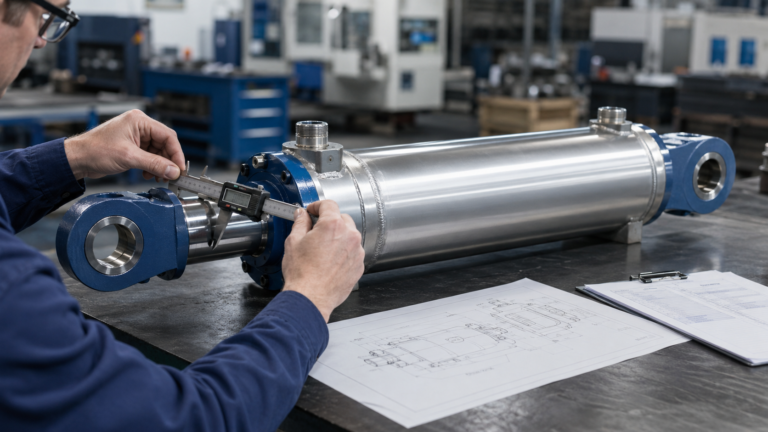
In this scenario, a machinist cuts a piece of pre-ground, induction-hardened chrome-plated bar stock (such as 1045 or 4140 IHCP), machines the piston threads on a lathe, welds the rod eye clevis, and installs new seals. Induction hardening adds a tough sub-surface layer (HRC 50+) beneath the chrome, giving the new rod superior impact resistance against rock dents.
3. Replacing the Whole Cylinder Assembly
If your cylinder rod is heavily pitted, take a close look at the rest of the unit. Is the barrel bore scored inside from contaminated metal particles? Are the clevis pin holes ovalized or cracked from heavy shock loads? Is the gland nut thread stripped?
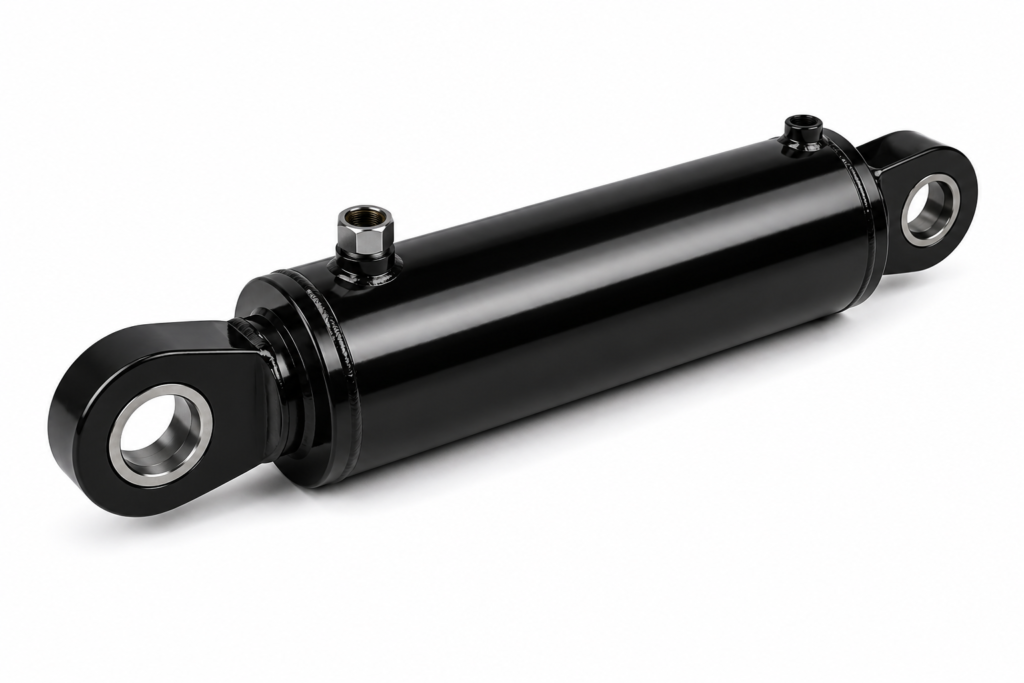
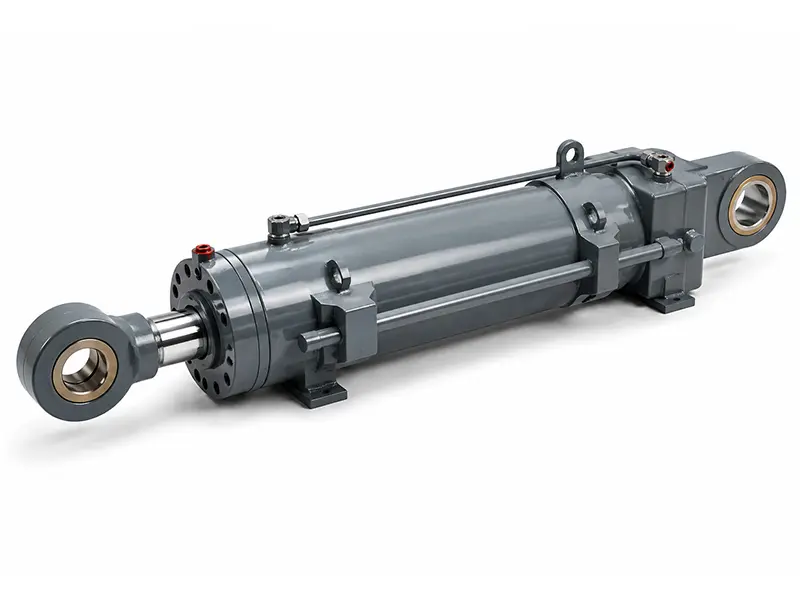
If multiple components show severe wear, spending money on rod re-chroming is throwing good money after bad. Upgrading to new, high-durability heavy-duty hydraulic cylinders engineered with upgraded chrome thickness or double-nickel chrome plating will eliminate recurring failure points entirely.
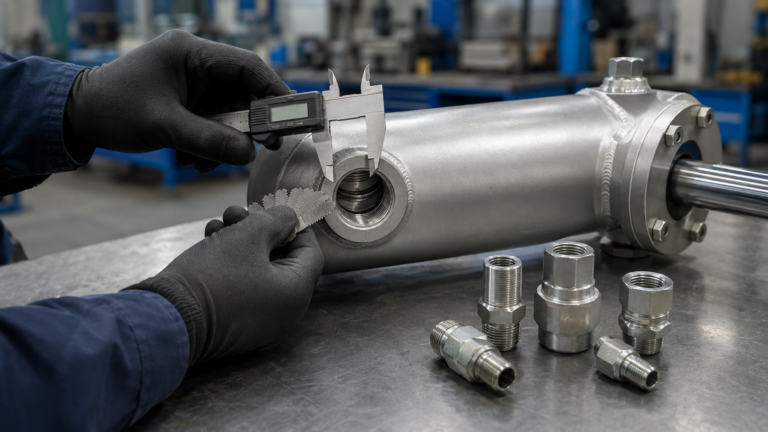
If your equipment utilizes non-standard mounting dimensions or high-pressure ratings, opting for fully custom hydraulic cylinders allows you to specify enhanced rod corrosion protection—such as 96-hour ASTM B117 salt spray ratings, ceramic coatings, or stainless steel rod materials—specifically tailored to your operating environment.
Comparison Matrix: Temporary Repairs vs. Long-Term Solutions
Use this decision matrix to evaluate the best fix based on your urgency, budget, and operational risks:
| Repair Method | Est. Lifespan | Relative Cost | Downtime Required | Pressure Rating Suitability | Best Used For |
|---|---|---|---|---|---|
| Epoxy / Belzona Filler | 2 Weeks to 3 Months | Very Low ($50 – $150) | 1 to 4 Hours | Low to Medium (<2,000 PSI) | Emergency field repairs, finishing active jobs. |
| Solder / Brazing Touch-up | 1 Month to 6 Months | Low ($100 – $300) | 4 to 8 Hours | Medium (<2,500 PSI) | Small isolated pinhole pits on light machinery. |
| Strip & Hard Chrome Re-plating | 3 to 5+ Years (OEM Spec) | Medium-High ($500 – $2,500) | 1 to 3 Weeks | High (>3,000 to 5,000 PSI) | Large, expensive, or custom rare cylinders. |
| New Piston Rod Replacement | 3 to 5+ Years (Like New) | Medium ($300 – $1,200) | 2 to 5 Days | High (>3,000 to 5,000 PSI) | Standard small/medium bore equipment rods. |
| Full Cylinder Replacement | 5+ Years (Full Warranty) | Variable ($400 – $3,000+) | 1 to 3 Days (Stock Parts) | Rated to System Max | Severe overall cylinder wear or obsolete design. |
How to Prevent Hydraulic Rod Pitting in Harsh Environments
Fixing a pitted rod is expensive. Preventing rust pitting in the first place requires a few disciplined maintenance habits:
- Always Retract Rods During Machine Storage: Never park equipment with hydraulic rods extended outdoors for weeks at a time. Retracting the rod keeps the polished chrome submerged in protective, anti-corrosive hydraulic fluid inside the barrel. If a rod MUST remain extended, coat the bare chrome with heavy anti-corrosion grease or fluid film protectant.
- Upgrade Wiper Seals: Use dual-lip metallic frame wiper seals that keep fine grit, ice, and salt water out of the gland area. Replace worn wiper seals immediately before rust establishes inside the rod seal pocket.
- Install Protective Rod Boots / Bellows: For equipment operating near rock crushers, sandblasting bays, or chemical plants, heavy-duty neoprene or rubber bellows protect the chrome rod from mechanical impacts and chemical splashes.
- Monitor Hydraulic Fluid Contamination & Moisture: Water inside hydraulic fluid accelerates internal rod corrosion. Run regular fluid analysis, keep breathers clean, and change hydraulic oil when water content exceeds recommended PPM thresholds.
- Specify Upgraded Chrome Plating Specs for New Cylinders: If your machinery operates in saltwater or highly corrosive chemical zones, standard single-pass chrome plating won’t cut it. Work with your manufacturer to specify Double-Layer Nickel-Chrome Plating (where a non-porous nickel layer is applied beneath the hard chrome) or Laser Cladded Stainless Rods.
Frequently Asked Questions (FAQ)
Q1: Can I sand down a rusty hydraulic cylinder rod with sandpaper?
Answer: You can lightly polish surface flash rust using 600-grit or finer emery cloth lubricated with hydraulic oil, provided the rust hasn’t pitted into the metal. However, do NOT use coarse sandpaper or power grinders. Coarse abrasives remove the hard chrome plating layer, create flat spots on the round bar, and permanently ruin seal contact.
Q2: Will pitted hydraulic rods destroy new seals instantly?
Answer: Yes. Pits have sharp micro-edges around their perimeter. As the rod cycles through the gland, these sharp edges act like tiny blades that slice polyurethane rod seals and rubber wiper seals. Installing new seals on a pitted rod without filling or stoning the pits first is a waste of time and money.
Q3: What is the best filler epoxy for emergency hydraulic rod repair?
Answer: Belzona 1111 (Super Metal) and titanium-reinforced industrial epoxies are widely regarded as the industry standard by field technicians. They offer high compressive strength, excellent adhesion to steel, and good resistance to hydraulic oils when properly cured and stoned flush.
Q4: Is re-chroming cheaper than buying a new hydraulic cylinder rod?
Answer: It depends on the size. For small to medium-sized standard cylinders, machining a new rod from pre-chromed induction-hardened bar stock is usually cheaper and faster than re-chroming. For large-bore, multi-stage, or expensive custom OEM rods, stripping and re-chroming is significantly more cost-effective.
Q5: How thick is the hard chrome layer on a standard hydraulic rod?
Answer: Standard industrial cylinder rods typically feature a hard chrome plating thickness of 20 to 30 microns (0.0008″ to 0.0012″) with a surface hardness of 65 to 70 HRC. Heavy-duty marine or mining cylinders may specify 50+ microns or double-layer nickel-chrome plating for enhanced corrosion resistance.
Tired of Repeated Cylinder Seal Failures & Rod Corrosion?
At ZHY Hydraulic, we engineer heavy-duty welded, tie-rod, and custom hydraulic cylinders built to withstand extreme environmental shock, salt exposure, and heavy duty cycles.
Whether you need heavy-duty replacements or specialized rod plating for marine and mining equipment, our engineering team provides full 3D drawings and rigorous quality testing before production.