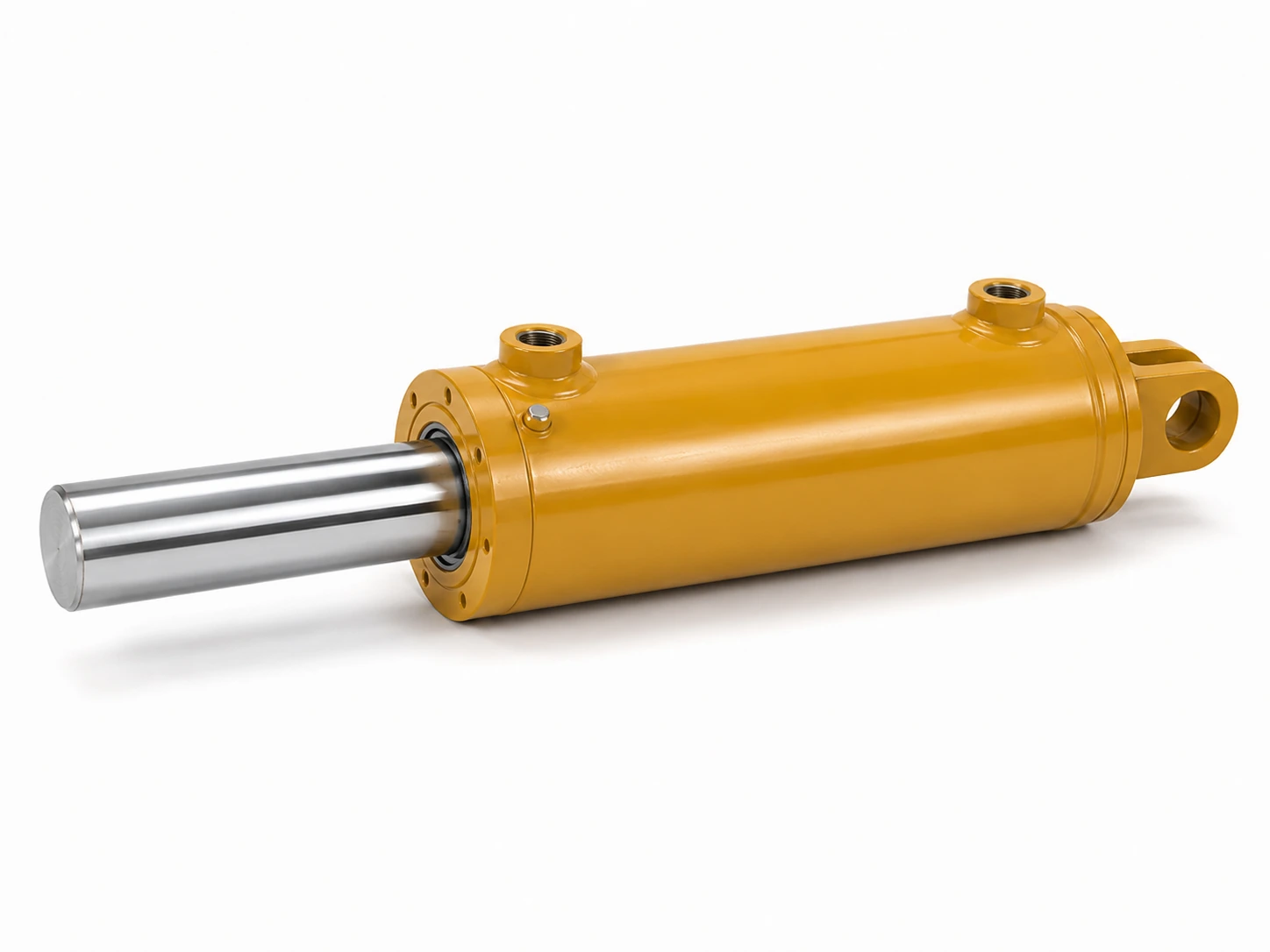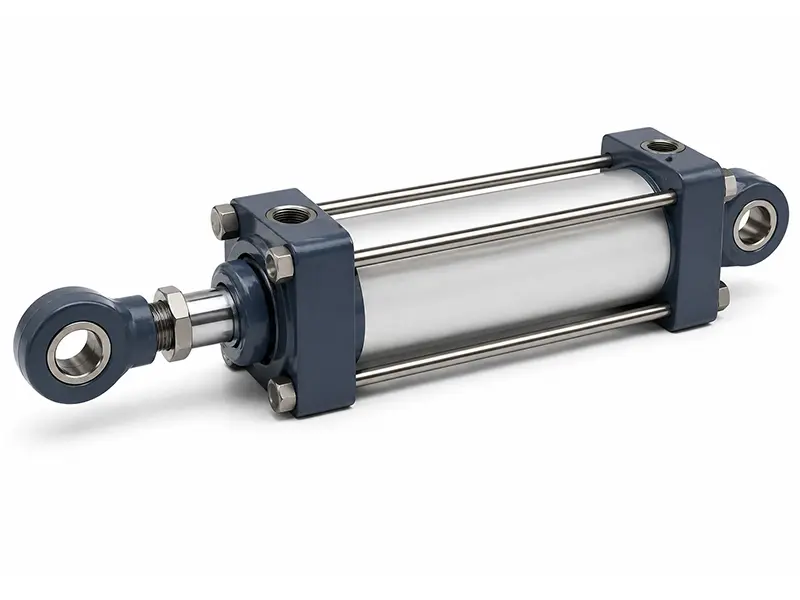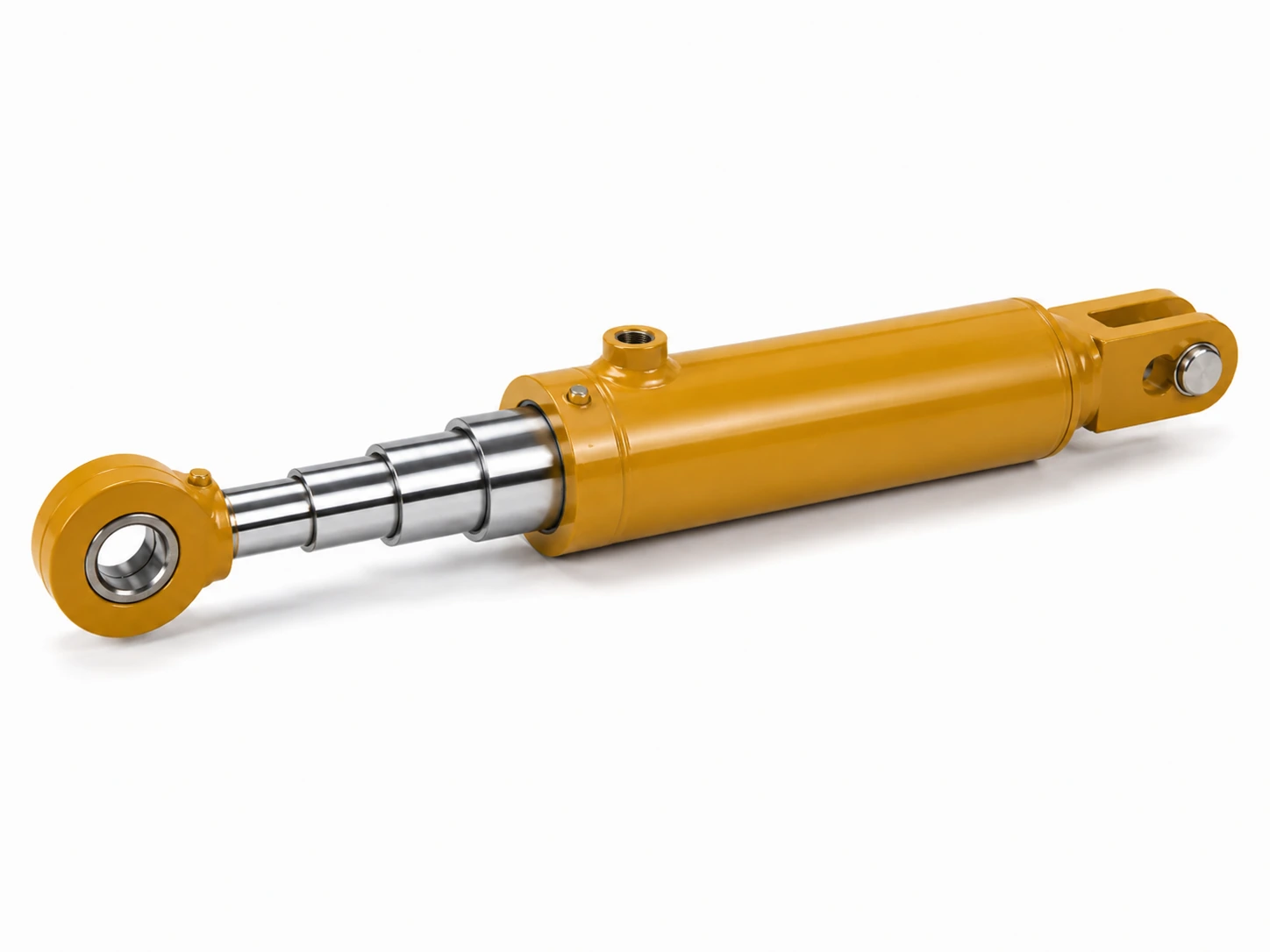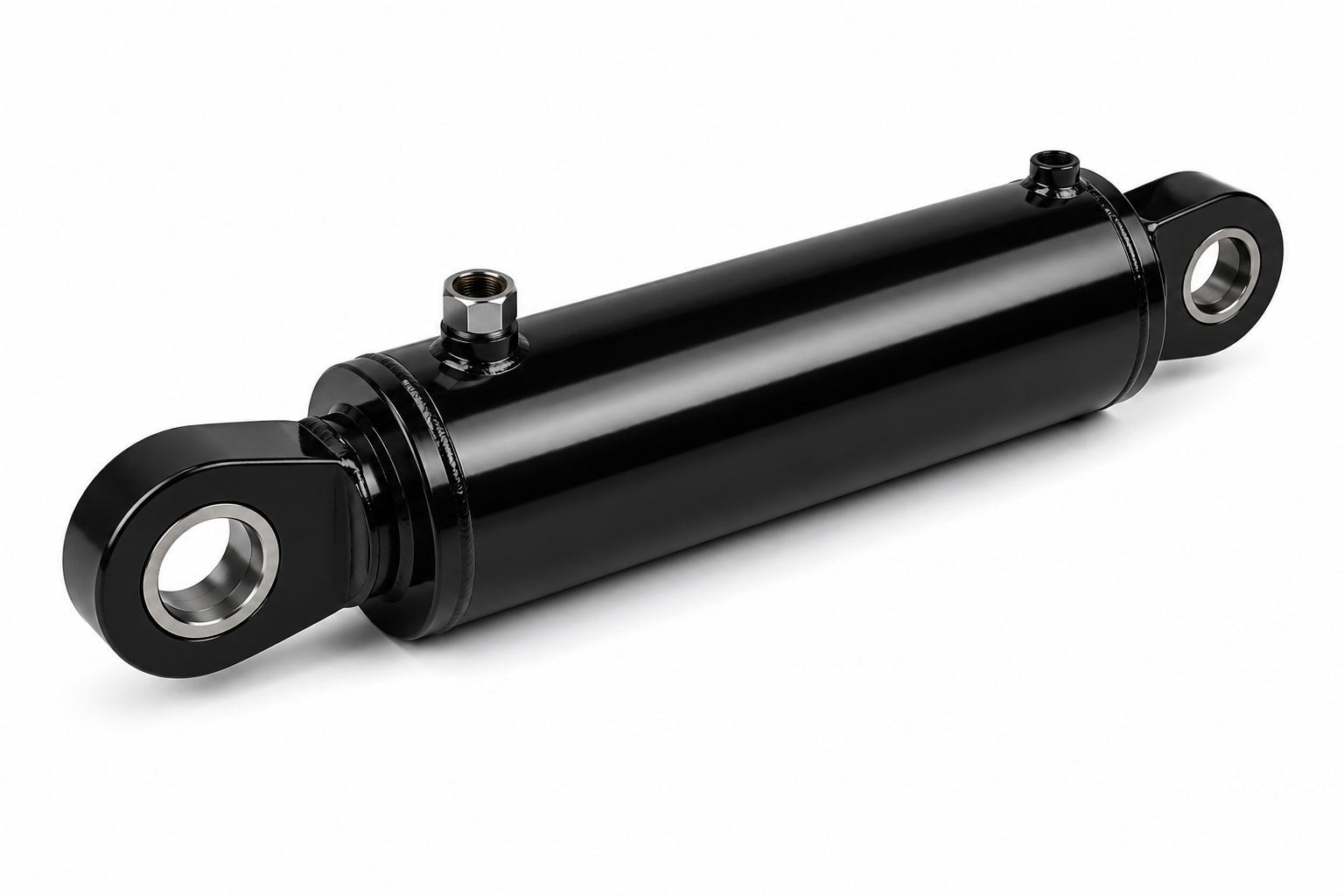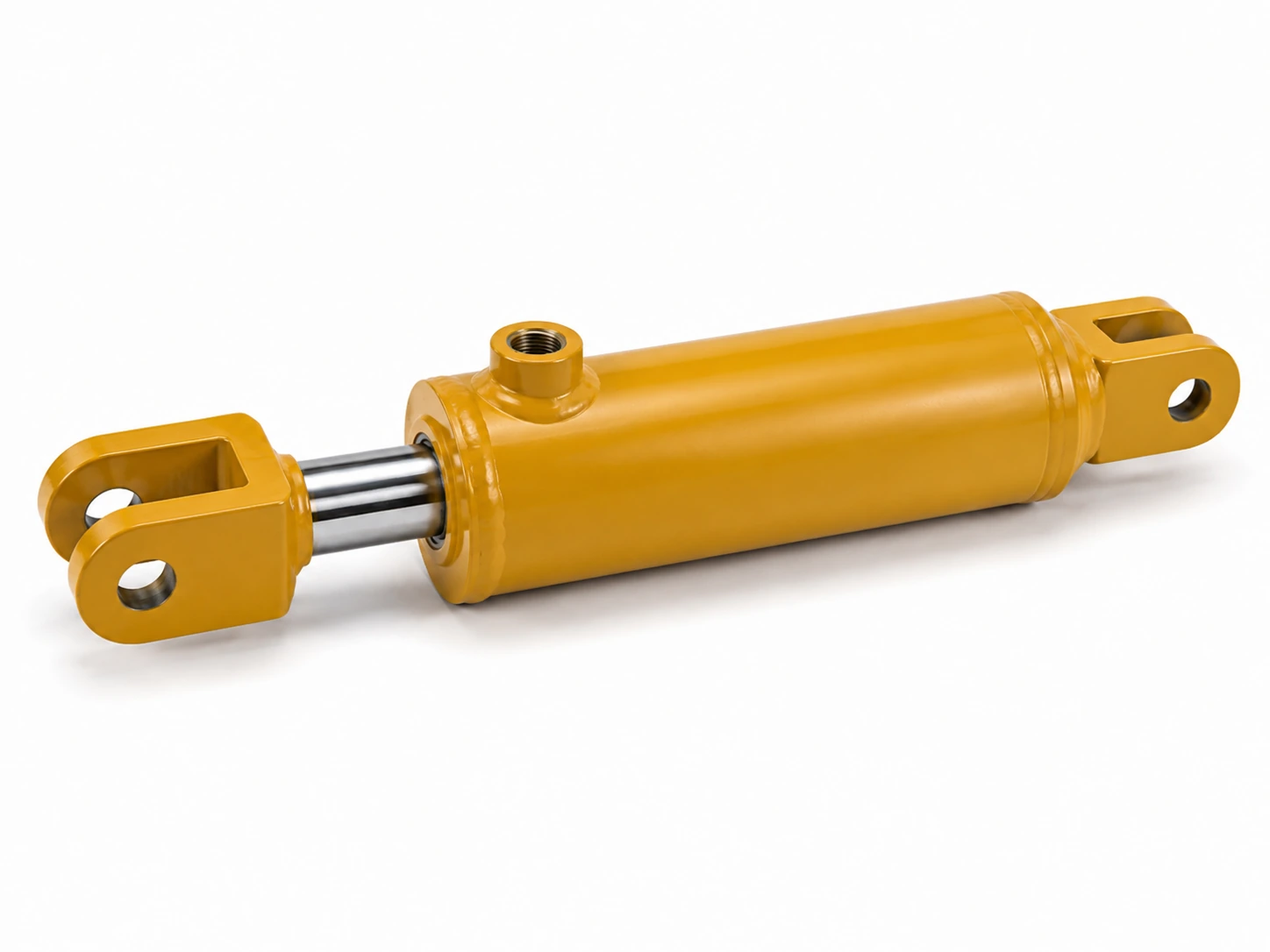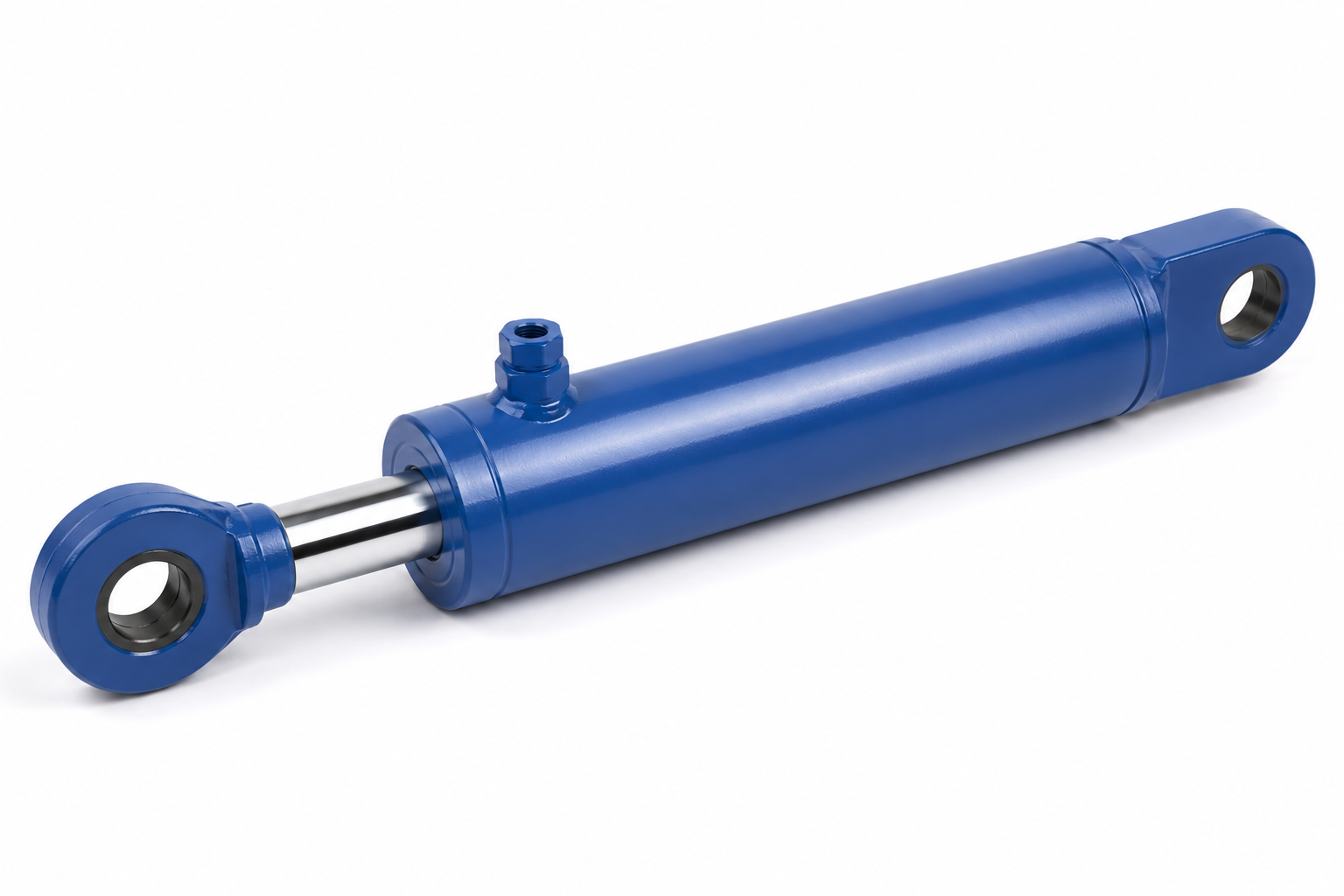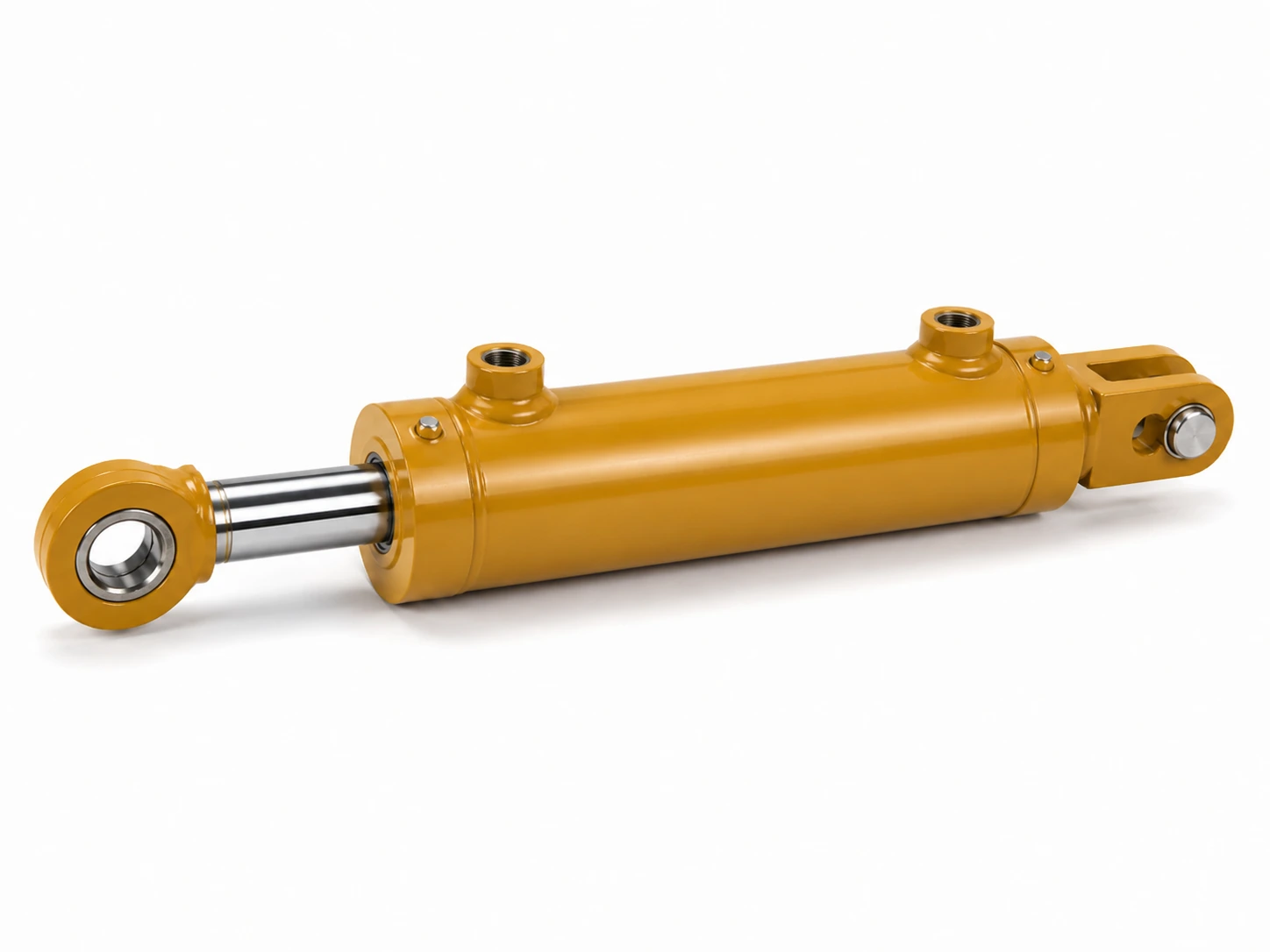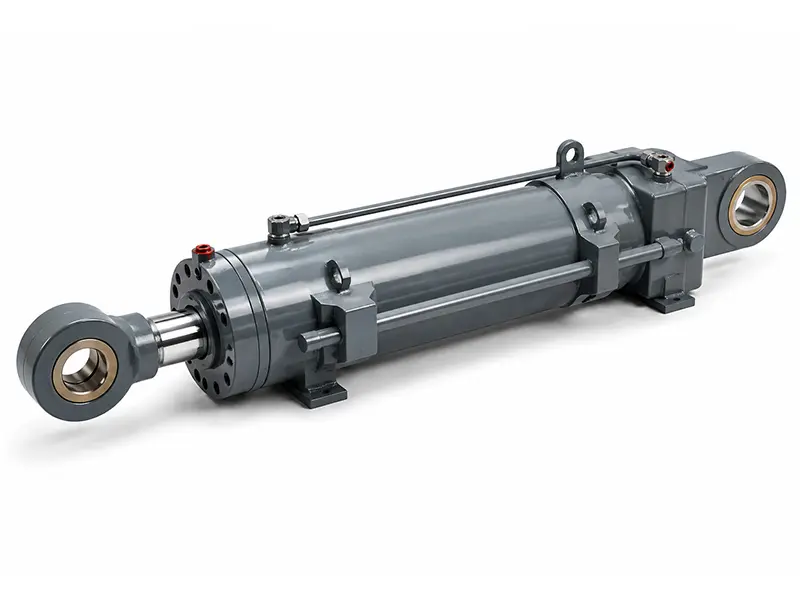
Plunger Hydraulic Cylinder
Heavy-duty single-acting plunger hydraulic cylinders for lifting, pressing, mining, construction, marine and industrial equipment. Custom bore, stroke and mounting options available.
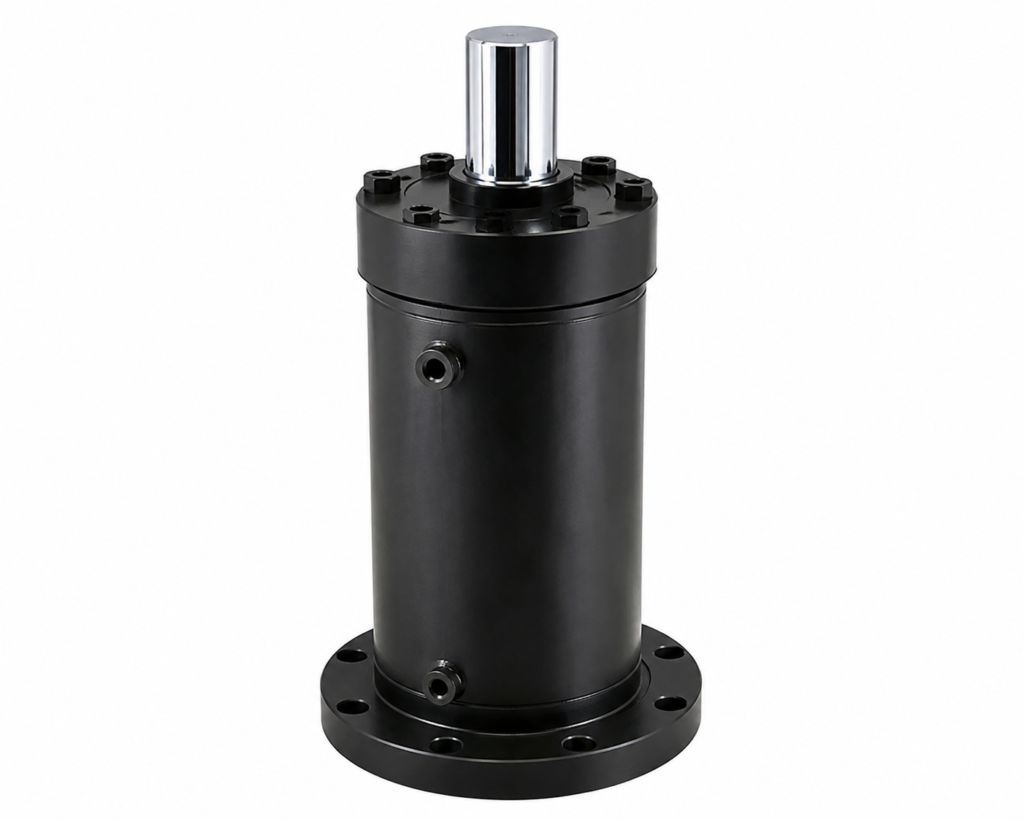
Plunger Hydraulic Cylinder Manufacturer & Supplier in China
ZHY manufactures custom plunger hydraulic cylinders for equipment that needs strong pushing, lifting, pressing, jacking or load-holding force in one primary direction. You can source single-acting plunger cylinders, hydraulic press ram cylinders, high-pressure plunger cylinders, spring-return plunger cylinders, stainless steel options, replacement cylinders and wholesale OEM production.
You need more than a large polished ram. At ZHY, each project is reviewed around required force, plunger diameter, pressure, stroke, unsupported extension, guide support, side load, return method, mounting geometry, surface protection, seal selection and pressure holding.
From prototype approval to repeat production, you can confirm drawings, materials, surface requirements, seals, pressure testing, dimensions, marking, packaging and replacement documentation before manufacturing.
High Push Force
Full plunger area supports one-direction force
Custom Diameter
Matched to force, pressure and stability
Return Method Review
Gravity, load, spring or auxiliary return
Press & Lifting Duty
Ram, jacking, forming and load holding
100% Tested
Pressure, leakage, holding, stroke and dimensions
Types of Plunger Hydraulic Cylinders
The product should be selected according to pressure, stroke, plunger stability, mounting orientation, return force, environment and replacement requirements.
Single-Acting Plunger Hydraulic Cylinder
High-Pressure Plunger Cylinder
Heavy-Duty Plunger Hydraulic Cylinder
Long Stroke Plunger Hydraulic Cylinder
Industrial Plunger Hydraulic Cylinder
Custom Plunger Hydraulic Cylinder
Features of Our Plunger Hydraulic Cylinders
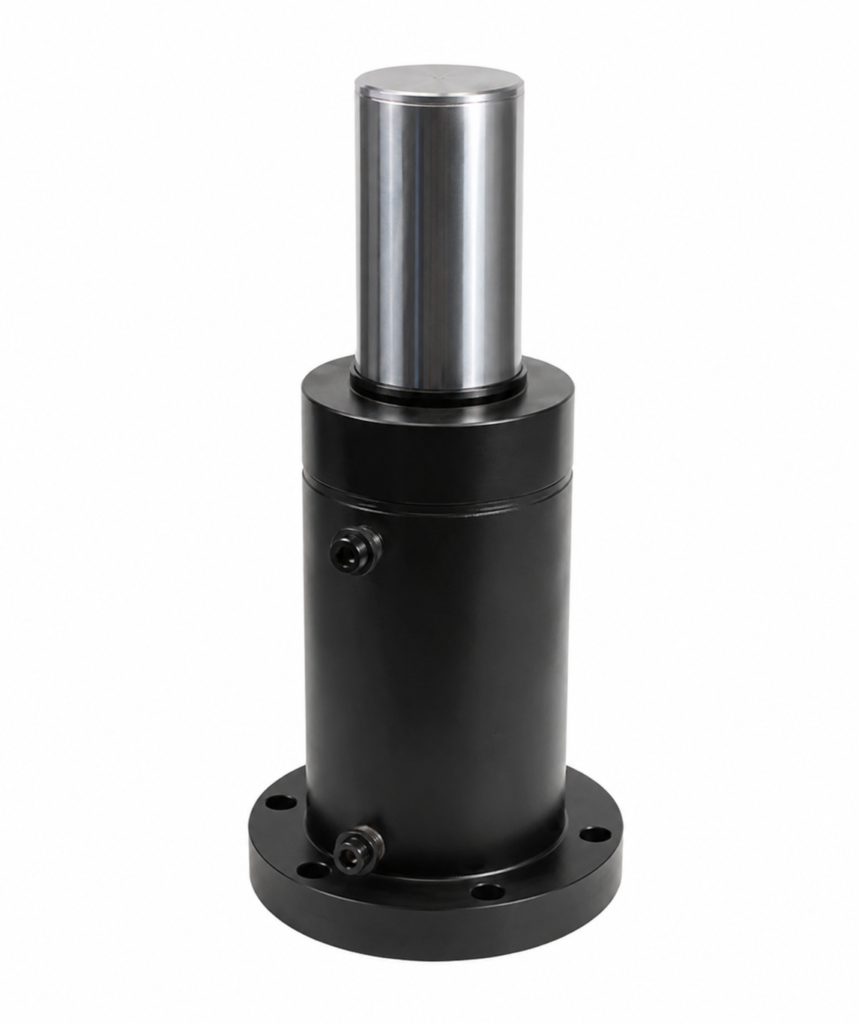
Our plunger hydraulic cylinders are engineered for high-load, long-stroke applications, combining robust construction, reliable sealing, and precision manufacturing to ensure stable performance, extended service life, and dependable operation in demanding industrial environments.

Heavy-Duty Steel Construction
Designed for demanding industrial applications.

Hard Chrome Plunger Rod
Excellent wear and corrosion resistance.

Long Stroke Design
Suitable for long lifting distances.

Reliable Sealing System
High-quality seals reduce leakage and extend service life.、
Plunger Hydraulic Cylinder Applications
Plunger cylinders create the most value where one-direction force dominates and the machine provides controlled retraction.
Hydraulic Presses & Forming
Industrial Lifting & Jacking
Machine Tools & Clamping
Steel & Metallurgical Equipment
Load Testing Systems
Why Choose Our Plunger Hydraulic Cylinders?
- OEM & ODM Service
Built according to drawings or samples. - Precision CNC Machining
Ensures high dimensional accuracy. - Strict Quality Inspection
100% pressure tested before shipment. - Stable Supply
Efficient production for bulk orders. - Durable Materials
Premium steel and sealing components. - Worldwide Export Experience
Serving OEM manufacturers and distributors globally.
Looking for a Reliable Plunger Hydraulic Cylinder Manufacturer?
Please send us your drawings or specification to us,our engineering team will provide a quotation within 24 hours.
Use a Plunger Cylinder When the Machine Mainly Needs Push, Lift or Press Force
A plunger hydraulic cylinder is a single-acting hydraulic cylinder that uses hydraulic pressure to extend the plunger rod, while gravity or external force returns it to its original position. Compared with piston cylinders, plunger cylinders have a simpler structure, excellent load capacity, and are ideal for vertical lifting and heavy-duty industrial applications.
- Simple Structure
- Fewer internal components for easier maintenance.
- High Load Capacity
- Designed to support heavy vertical loads.
- Long Service Life
- Built with durable materials for demanding environments.
Reference Custom Manufacturing and Engineering Options
Final dimensions and ratings must be confirmed according to force, pressure, return method, stability, mounting, side load, environment and holding time.
| Specification | Reference Options | What You Should Confirm |
|---|---|---|
| Acting Type | Single acting; spring or auxiliary return by project | Confirm how the plunger retracts and the available return force throughout the stroke. |
| Plunger Diameter | Custom according to force, pressure and stability | Required force, pressure, safety margin, compression load and unsupported extension. |
| Stroke | Custom; long-stroke feasibility reviewed separately | Closed length, extended length, guide support, buckling risk and return travel. |
| Working Pressure | Project-specific according to body, head, seals and mounting | Normal pressure, peak pressure, spikes, hold time and test pressure. |
| Return Method | Gravity, external load, spring, counterweight, linkage or auxiliary actuator | Return force, machine angle, back pressure, seal friction and failure mode. |
| Materials | Carbon steel, alloy steel, stainless steel or specified materials | Strength, wear, corrosion, temperature, oil and cleaning chemicals. |
| Plunger Surface | Hard chrome plating and project-specific protection | Hardness, finish, chrome thickness, contamination, moisture and repair plan. |
| Seal Options | PU, NBR, PTFE and specified seal brands | Oil, pressure, temperature, speed, holding time and contamination. |
| Mounting | Flange, base, clevis, eye, trunnion, threaded body or custom | Axial load path, alignment, bolt pattern, pin size and service access. |
| Ports | BSP, NPT, metric, SAE, flange or custom connection | Thread, size, position, flow, back pressure and hose clearance. |
| Testing | Pressure, leakage, holding, stroke, return, dimensions and surface inspection | Test pressure, duration, acceptance criteria and required records. |
ZHY publishes factory-wide custom cylinder capabilities including bore diameters from approximately 20 mm, stroke up to 6000 mm and pressure up to 100 MPa. These are not automatic plunger-cylinder ratings; each ram design must be validated against its body, head, seal, mounting and return system.
Plunger Hydraulic Cylinder Selection Logic
Use force direction, return method, mounting and risk profile to choose the correct structure.
If the machine needs high push force in one direction
Choose a plunger hydraulic cylinder. The full plunger area provides a direct force path for lifting, pressing and jacking.
If positive hydraulic retraction is required
Choose a double-acting piston cylinder. Do not rely on a plunger design when the machine cannot provide return.
If the ram extends vertically under a heavy moving platen
Review gravity return. Confirm the descending mass provides enough controlled return force at every position.
If the cylinder works horizontally or the angle changes
Do not assume gravity return. Evaluate a spring, counterweight, linkage or double-acting alternative.
If the stroke is long relative to plunger diameter
Review guide support and buckling stability. Side load may determine the design before pressure does.
If dust, scale or metal particles reach the ram
Choose stronger wipers and protection. Surface damage quickly destroys the main seal and guide.
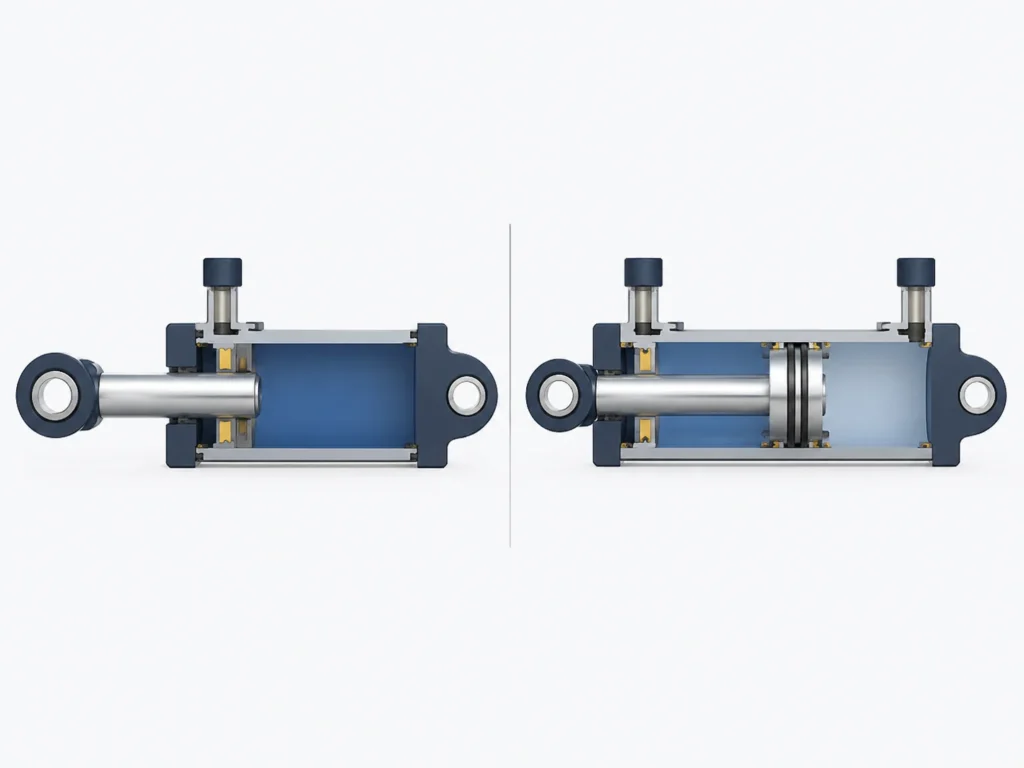
Choose the Simplest Structure That Still Controls the Complete Movement
A plunger cylinder can simplify one-direction high-force systems, while a piston cylinder provides more control when both directions require hydraulic power.
Choose Plunger Construction
For high push, lifting, pressing or jacking where the machine provides reliable retraction.
Choose Piston Construction
For powered retraction, controlled movement in both directions and horizontal operation.
Main Plunger Risk
Insufficient return force, side load, unsupported extension, contamination and ram damage.
Main Piston-Cylinder Risk
More internal seals, piston wear, internal leakage and greater bore sensitivity.
The Moving Ram Surface Is Part of the Sealing System
A seal cannot compensate for a bent, scored, corroded, rough, contaminated or poorly supported plunger.
Plunger Straightness
Controls guide loading, seal contact and movement stability.
Surface Finish
Must retain lubrication without damaging the seal.
Hardness & Coating
Selected according to wear, corrosion and repair requirements.
Guide Length
Supports the moving ram and reduces rocking and bending.
Wiper Protection
Blocks dust, scale, metal particles, water and process residue.
Seal Material
Matched to oil, pressure, temperature, speed and holding time.
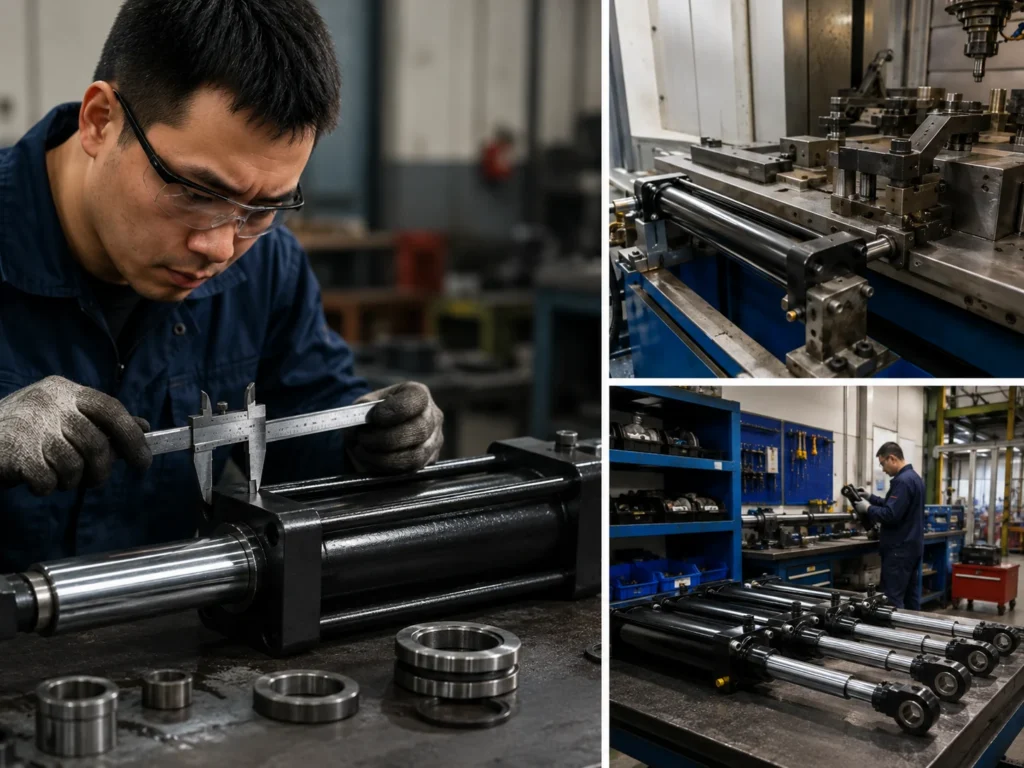
Problems You Should Eliminate Before Ordering a Plunger Hydraulic Cylinder
A large ram can produce impressive theoretical force and still fail when return, alignment, protection or pressure conditions are ignored.
No Reliable Return Force
Risk: Gravity, spring force or the moving load cannot overcome friction and back pressure.
Consequence: Slow return, incomplete retraction and interrupted production.
Using the Plunger as a Machine Guide
Risk: The frame transfers side load and misalignment into the sealing head.
Consequence: Scoring, bent ram, guide damage and early seal failure.
Calculating Force from Nominal Pressure Only
Risk: Mechanical leverage, pressure loss, friction, peak load and safety margin are ignored.
Consequence: Weak lifting, stalled pressing or excessive system pressure.
Ignoring Plunger Surface Damage
Risk: Rust, scratches, scale or particles pass through the seal and guide.
Consequence: External leakage, contamination and rapid wear.
Long Stroke Without Stability Review
Risk: The plunger is too slender or poorly supported at full extension.
Consequence: Buckling, vibration, binding and structural damage.
Copying an Old Cylinder Without Checking the Machine
Risk: The original design may already be undersized or misaligned.
Consequence: The replacement repeats the same leakage and downtime problem.
Plunger Hydraulic Cylinder FAQs
1. How do you confirm the required plunger diameter for a target lifting or pressing force?
Provide the required operating force, working pressure, peak pressure, safety margin, load direction, and mechanical leverage. The theoretical force comes from pressure acting on the plunger area, but final sizing must also consider friction, pressure loss, mounting geometry, structure, and machine-frame strength.
2. When should you choose a plunger cylinder instead of a double-acting piston cylinder?
Choose a plunger hydraulic cylinder when the machine mainly needs high push, lifting, or pressing force in one direction and can retract through gravity, the external load, a spring, counterweight, or auxiliary return device. Choose a double-acting piston cylinder when positive hydraulic control is required in both directions.
3. What is the difference between a plunger cylinder and a piston cylinder?
A plunger cylinder uses a solid rod without an internal piston and typically operates in one direction, while a piston cylinder provides hydraulic force for both extension and retraction, making it suitable for double-acting applications.
4. How do you prevent plunger scoring, bending and seal wear?
Control machine alignment, guide support, unsupported extension, side load, plunger material, surface hardness, surface finish, wiper design, oil cleanliness and contamination. A large plunger can still score or bend if the machine transfers side force into the sealing head.
5. Where are plunger hydraulic cylinders used?
They are widely used in hydraulic presses, lift tables, mining machinery, steel mills, marine equipment, construction machinery and heavy industrial lifting systems.
6. Which material and surface options suit high-temperature or corrosive applications?
Selection depends on temperature, hydraulic oil, moisture, cleaning chemicals, salt spray, wear and maintenance. Options may include carbon steel, alloy steel, stainless steel, hard chrome plating, protective boots, coatings and compatible high-temperature seals.
7. What testing should be included for a high-pressure plunger cylinder order?
Confirm pressure testing, external leakage, pressure holding, full-stroke movement, return performance, dimensions, surface condition, ports, mounting, and project-specific proof or load testing. Test pressure and duration should be agreed before production.
8. What documentation should you request for repeat OEM or wholesale production?
Request the approved drawing revision, materials, seal specification, surface treatment, critical dimensions, inspection standard, pressure test requirement, marking, packing, spare-seal information, production photos, and any dimensional or test records required by your quality system.